

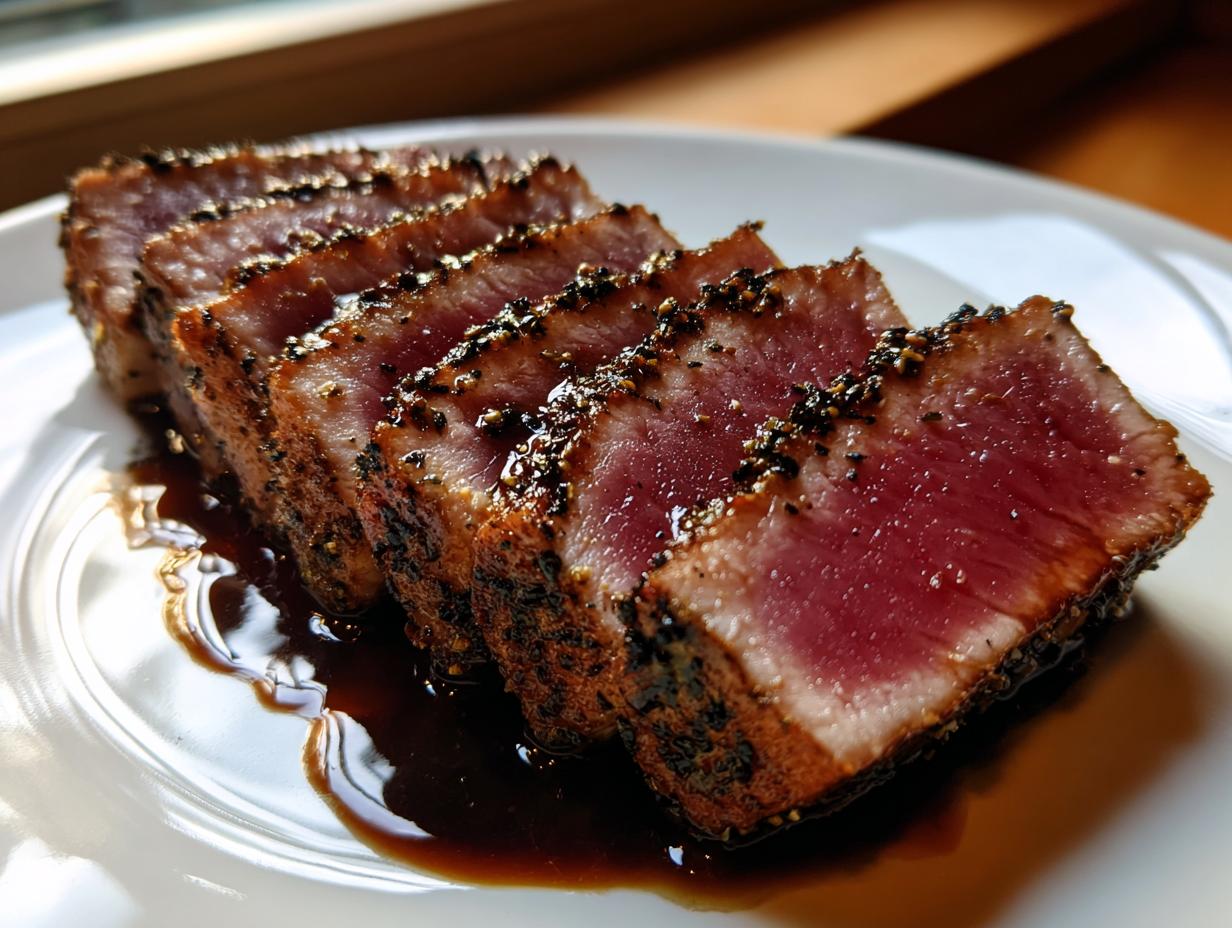
If you’ve ever sat in a fancy restaurant watching perfectly seared tuna arrive at your table, looking so beautiful you almost didn’t want to touch it, I have the best news for you: You can absolutely nail that restaurant quality fish right in your own kitchen, and it takes less time than ordering takeout.
For years, I was terrified of cooking fish, thinking it was fussy or easy to ruin. Then I mastered the cast iron sear, and everything changed. This recipe for **Tuna steak** is my secret weapon for when I need something incredibly healthy, packed with protein, and ready in about 12 minutes total. Forget complicated techniques; we’re using searing heat and a killer quick glaze to bring out that beautiful crust and keep the center tender. Trust me when I say, once you master this, you’ll be making it every week!
- Why This Perfect Cast Iron Tuna Steak Recipe Works
- Ingredients for Your Restaurant Quality Tuna Steak Dinner
- How to Prepare the Perfect Tuna Steak Instructions
- Tips for Success with Your Tuna Steak Marinade and Cooking
- Serving Suggestions for Your Tuna Steak Dinner Ideas
- Storage and Reheating Instructions for Leftover Tuna Steak
- Frequently Asked Questions About Cooking Tuna Steak
- Nutritional Snapshot of This High Protein Fish Meal
- Share Your Perfect Tuna Steak Experience
Why This Perfect Cast Iron Tuna Steak Recipe Works
What makes this recipe stand head and shoulders above other Pan Seared Tuna attempts? It all comes down to science and simplicity! When you aim for that true Restaurant Quality Tuna look—that dark, flavorful crust hitting a cool, barely cooked inside—you have to respect the heat. We skip long marinades that wash off and focus on one powerful, fast process that locks in all the flavor.
Achieving the Ideal Tuna Steak Sear
The absolute key for any great **Tuna steak** is two things: a perfectly dry surface and screaming-hot heat. Moisture is the enemy of searing! If your fish is wet, it steams, and you end up with gray fish instead of that beautiful crust. That’s why I insist on cast iron—it holds heat like nothing else. We need that skillet ripping hot so the second the fish touches down, that Maillard reaction starts immediately. You’ll get a gorgeous, dark shell in under two minutes!
Quick Soy-Ginger Glaze for Flavor
Since the cooking time is so short, we can’t wait around for flavor infusions. This little mixture is what completes the dish. It’s all about that fast, bright punch of saltiness, sweetness, and zing. This Soy Glaze Tuna gets brushed on *after* the cook, right before slicing, so its fresh aromatic flavors aren’t burned away in the pan. It’s the fastest way to elevate your plain fish into a gourmet experience. Check out my guide on other quick searing secrets if you want to explore even faster methods!
Ingredients for Your Restaurant Quality Tuna Steak Dinner
Okay, for this amazing **Tuna steak** dinner to come together in under 15 minutes, you need your little bowls prepped and ready to go! Organization is everything when the cooking phase moves this fast. We are cooking this for 2 servings, and the total time commitment is just about 12 minutes, which is fantastic for a weeknight when you want something elegant but don’t have hours to mess around. Before you even turn on the stove, measure everything out!
I have a whole guide on different ways to use a tuna steak marinade, but for this particular recipe, we are keeping the flavor bomb extremely focused and fast.
Components for the Tuna Steak Dinner
This is the bare bones required to get that perfect sear. I always choose Ahi tuna when possible, but Yellowfin works just as well for this method. You absolutely must have two good-sized pieces, about 6 ounces each. Don’t skimp here, because thinner steaks will overcook instantly!
- 2 (6-ounce) tuna steaks (Ahi or Yellowfin)
- 1 tablespoon olive oil (use a high-heat, neutral oil here)
- 1 teaspoon salt
- 1/2 teaspoon black pepper
Gathering Ingredients for the Soy Glaze Tuna
This glaze is what puts the ‘restaurant-quality’ stamp on the dish. You must use fresh ingredients here—pre-minced garlic from a jar just won’t cut it against the power of high heat! Freshness boosts our expertise points, making the flavor shine through that quick sear.
- 1 tablespoon soy sauce
- 1 tablespoon fresh ginger, grated (don’t be stingy!)
- 1 teaspoon honey (to balance the saltiness)
- 1 clove garlic, minced
- 1 teaspoon sesame oil
How to Prepare the Perfect Tuna Steak Instructions
Alright, pull up your stool, because this is the fast part! Cooking a beautiful **Tuna steak** is all about speed and precision once the heat is on. When you’re planning a quick fish dinner, missteps happen when you rush the prep, so make sure your ingredients are measured out before this stage. We are keeping this super straightforward so you can move from raw fish to dinner plate in just a few minutes. If you want to see how a similar glaze works in a different application, I have a great homemade teriyaki sauce recipe you might love for next time!
Prep Work: Drying and Seasoning the Tuna Steak
Seriously, don’t skip this! Grab your tuna steaks and pat them down repeatedly with paper towels. I mean it—get them bone dry. Any water left clinging to the surface will turn that pan into a steam bath, and we cannot form that gorgeous crust we’re aiming for if the fish is wet. Once they are dry to the touch, season both sides evenly with salt and pepper. That’s it for seasoning for now!
Making the Quick Soy Glaze Tuna Sauce
While the skillet starts heating up (it needs time to get seriously hot!), quickly whisk together all your glaze components: the soy sauce, the grated ginger, honey, garlic, and sesame oil. Just mix it until everything is incorporated and looks unified. Set this bowl off to the side. We aren’t adding this to the pan yet, because that sugar will turn bitter fast!
The Cast Iron Searing Technique for Pan Seared Tuna
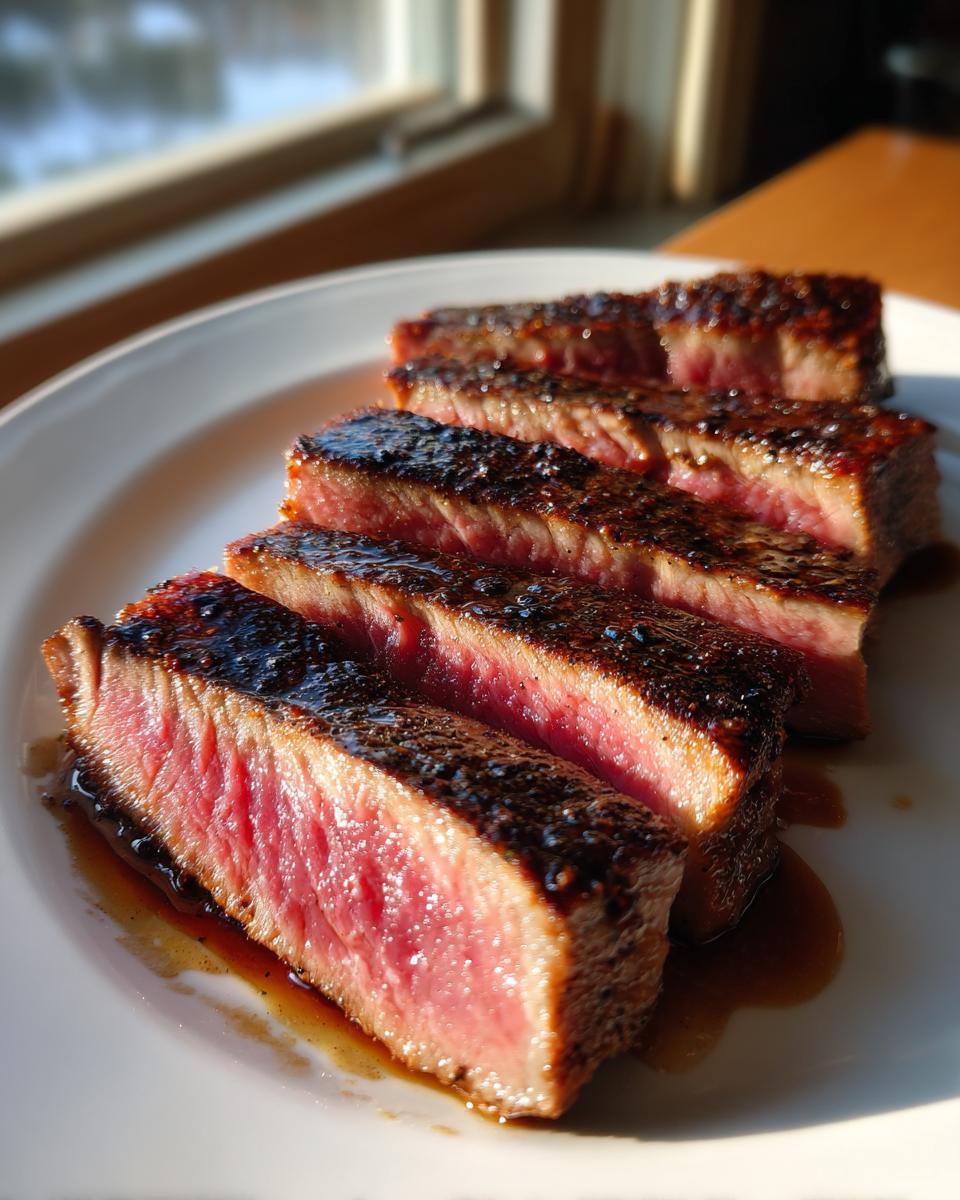
Get that cast iron skillet ripping hot—you want it lightly smoking if you can manage it! Add your tablespoon of olive oil, let it shimmer, and then, very carefully, place those seasoned steaks in the pan. Now, don’t touch them! For a perfect rare to medium-rare result, which is how this **Pan Seared Tuna** shines, sear for just 1.5 to 2 minutes on the first side, then flip and repeat for the other side. That quick hit of heat is what sets the crust.
Resting and Glazing the Tuna Steak
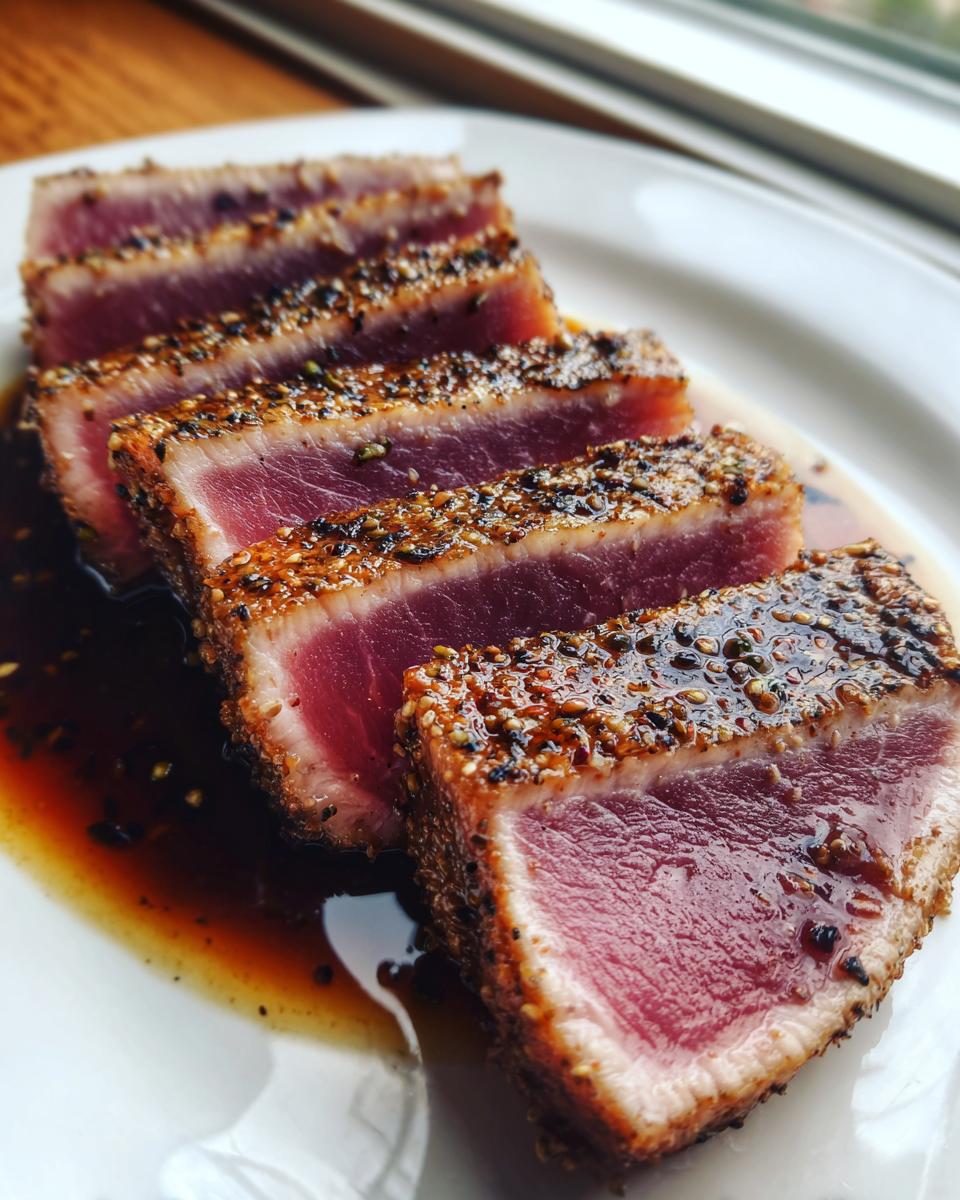
Once the two minutes are up on the second side, immediately take the steaks out of the pan and put them on a clean cutting board. They need to rest for about 2 minutes—this lets the juices settle. After resting, grab a pastry brush or spoon and generously brush that reserved soy-ginger glaze over the tops of the rested tuna steaks. Slice them against the grain into nice, thick half-inch pieces and serve them right away while they are warm!
Tips for Success with Your Tuna Steak Marinade and Cooking
You’ve mastered the sear, but maybe you want a little more attitude on your beautiful **Tuna steak**. Don’t worry, you can tweak this recipe without losing that lightning-fast cooking time. This is where adapting your **Tuna Steak Marinade** game comes in handy, even if you aren’t marinating for hours! I’ve put together a few easy swaps that take this dinner from great to outstanding based on what folks love to do at home.
How to Create a Blackened Tuna Steak Finish
If you love a strong, spicy kick—and who doesn’t sometimes?—you need to go Blackened Tuna Steak! It’s so easy. Just take that salt and pepper you used earlier and swap it out for 1 tablespoon of good quality Cajun seasoning instead. Mix that with the seasoning and rub it right onto the dry fish before it hits the pan. That seasoning mixture creates an even thicker, spicier crust alongside that beautiful sear. You get all that depth in the same quick cooking time!
Adding Texture: Sesame Seed Crust Option
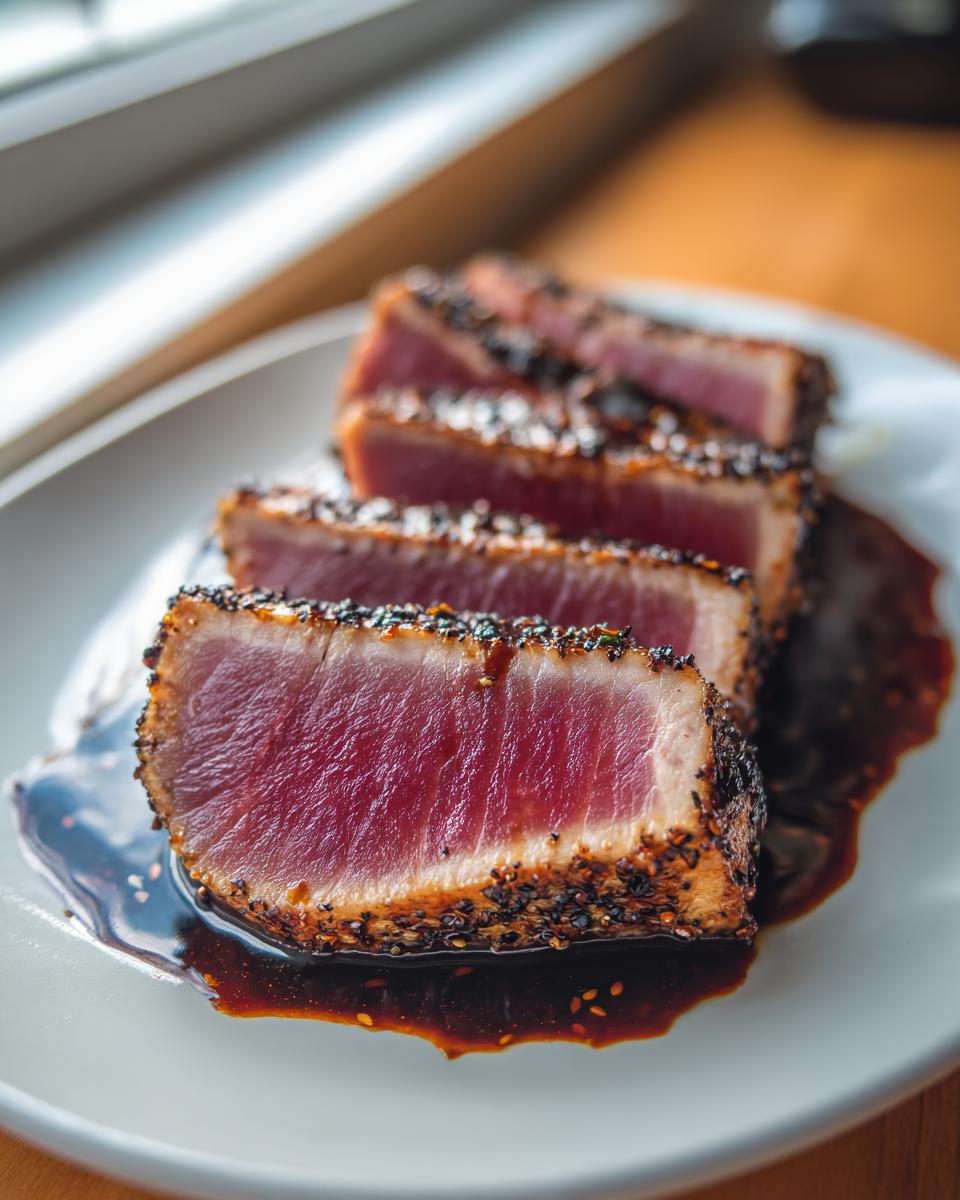
For an elegant look that screams “I know what I’m doing,” try coating the seasoned steaks lightly in sesame seeds before searing. I mean a *light* coating, not a thick breading! The seeds toast up beautifully in that high heat, adding a wonderful nutty crunch in every bite. It looks incredible when you slice that rare center, and it really complements the Asian flavors in the glaze we are brushing on later. If you want to see another great sauce option, check out the tips on homemade teriyaki sauce—it sometimes overlaps with the soy-ginger flavor profile!
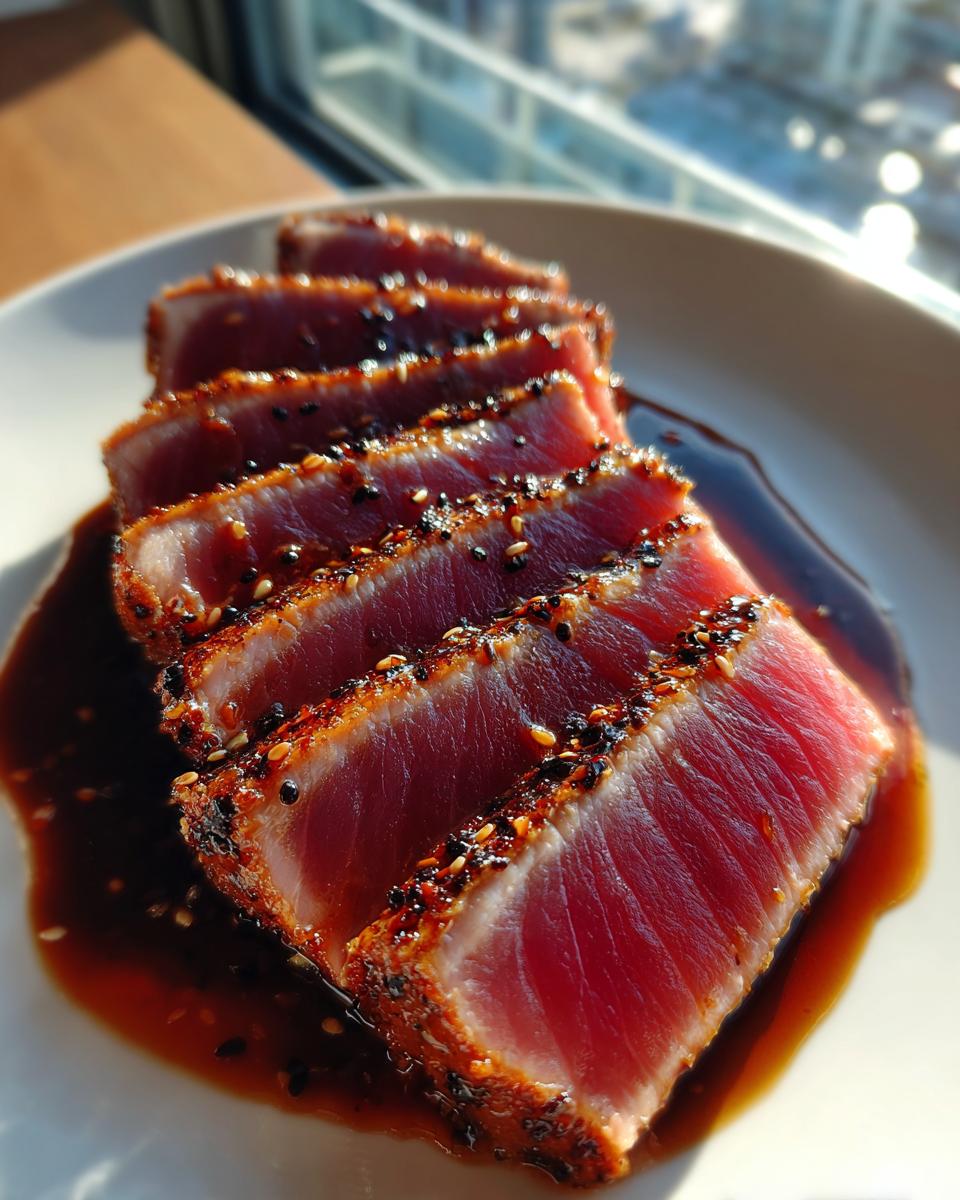
If you’re looking for inspiration on different flavor bases, grab some ideas from this tuna steak marinade guide to see what combinations might work next time!
Serving Suggestions for Your Tuna Steak Dinner Ideas
When you’ve made a beautiful, lightning-fast **Tuna steak** dinner, you want the sides to keep up the pace and match that light, inspired flavor! Because we are rocking that soy-ginger glaze, we should lean toward bright, fresh, and slightly acidic pairings. Skip the heavy stuff.
For a truly perfect, healthy seafood meal, I always love pairing this with my super simple cilantro lime rice. It absorbs any extra glaze beautifully. Steamed asparagus is another go-to—a quick blanch keeps it crisp-tender. If you want more inspiration for what to put next to that perfectly seared fish, check out this collection of tuna steak side dishes for lots of great ideas. These simple **Tuna Steak Dinner Ideas** prove you don’t need hours to make dinner feel special!
Storage and Reheating Instructions for Leftover Tuna Steak
Honestly, the best thing you can do is eat this **Tuna steak** performance immediately! That lovely rare center is temperamental, and leftovers can lose that gorgeous texture fast. But hey, life happens, right?
If you have any left, wrap the slices tightly in plastic wrap or pop them into a very airtight container. Make sure they are cold before sealing them up. They’re safest stored in the fridge for just one day. When it comes to reheating, please don’t put it back in the hot pan! That will push it straight to well-done territory. My favorite thing to do is slice the cold leftovers thinly and toss them into an acidic green salad. It’s a fantastic, healthy way to finish up your **Lean Seafood Entrees**!
Frequently Asked Questions About Cooking Tuna Steak
I know when you’re trying a new technique, questions pop up faster than the sear on your fish! Getting a restaurant-quality result relies on understanding a few key details. Don’t worry if you’re nervous about ruining an expensive piece of fish. That’s why I put together these answers to calm those kitchen jitters. We want you to feel confident tackling these **Easy Tuna Recipes** every time!
What is the best type of fish for a Seared Tuna Steak?
For this searing method, you absolutely want the best quality, sushi-grade steak you can find. Traditionally, we look for Ahi tuna, which is often Yellowfin tuna. The structure holds up beautifully to high heat without falling apart, giving you that perfect firm exterior and cool center. If you want to explore more ways to prepare this amazing fish, browse through my collection of quick, healthy lunch ideas that feature Ahi tuna!
How do I know when my Tuna Steak is perfectly cooked?
This is the big one! The goal here is rare to medium-rare, meaning you only want the outside edges to turn opaque. For a standard 1-inch thick **Tuna steak**, 1.5 to 2 minutes per side on screaming hot heat is usually spot on. When you cut into it, the center should still look deep red, almost raw. If you cook it until the whole thing is gray, you’ve overdone it and it will be dry. Trust the clock for this one!
Can I grill my Tuna Steak instead of searing it?
Oh yes, you totally can! That high heat from the cast iron translates perfectly to the grill grates, giving you those beautiful sear marks. If you opt for Grilled Tuna Steaks, make sure your grates are super clean and oiled well so your fish doesn’t stick. The cooking time stays nearly the same—just a couple of minutes per side over high, direct heat, and you’re golden!
Nutritional Snapshot of This High Protein Fish Meal
One of the best parts about making such an elegant meal like this **Tuna steak** is knowing it’s fueling your body right. This recipe is designed to be one of those fantastic meals that tastes decadent but is incredibly clean and supports your fitness goals. Because tuna is such a lean cut, you get a massive return on your protein investment for very few calories!
Keep in mind that these numbers are only estimates, of course! They depend heavily on the exact thickness of the steaks you buy and how much of that delicious glaze ends up coating the serving plate versus the fish itself. But for our standard two-serving recipe, here’s what we’re generally looking at per serving:
- Calories: 250
- Protein: 35g (See? Massive protein hit!)
- Total Fat: 10g (Mostly good, unsaturated fats here)
- Saturated Fat: 2g
- Carbohydrates: 5g
- Sugar: 3g
- Sodium: 450mg
This is a phenomenal example of a High Protein Fish dinner that keeps complexity low but satisfaction high. It’s genuinely one of the best ways to get a healthy seafood entree on the table fast!
Share Your Perfect Tuna Steak Experience
I truly hope you put this **Tuna steak** recipe to the test this week! When I first started exploring cooking fish, I needed encouragement, and sharing your wins is the best way for all of us home cooks to build confidence together. I want to see what you created!
Did you manage that perfect, rare center? Did the soy-ginger glaze set up beautifully? Or maybe you tried one of my variations—went full Blackened Tuna Steak? I want to hear every detail!
Please do me a huge favor:
- Leave a star rating right down below this section! It helps other cooks see how reliable this recipe is.
- Snap a photo of your finished plate! Tag me on social media so I can cheer you on. Seeing your beautiful results truly makes my day.
- Drop a comment if you had a successful twist! Maybe you found the perfect Tuna Steak Side Dish or a favorite wine pairing? Share the knowledge!
Remember what I always say—the kitchen is our laboratory, and we learn best when we experiment safely and share honestly. Head over to the About Page if you want to know more about how we test these recipes here at Cooking Zenith. Happy cooking, friends!
PrintPerfect Cast Iron Seared Tuna Steaks with Soy-Ginger Glaze
Learn to cook restaurant-quality tuna steaks at home using a cast iron skillet. This recipe delivers a perfect sear and a quick, flavorful soy-ginger glaze for a high-protein, fast dinner.
- Prep Time: 5 min
- Cook Time: 5 min
- Total Time: 12 min
- Yield: 2 servings 1x
- Category: Dinner
- Method: Pan Searing
- Cuisine: Asian Inspired
- Diet: Low Fat
Ingredients
- 2 (6-ounce) tuna steaks (Ahi or Yellowfin)
- 1 tablespoon olive oil
- 1 teaspoon salt
- 1/2 teaspoon black pepper
- 1 tablespoon soy sauce
- 1 tablespoon fresh ginger, grated
- 1 teaspoon honey
- 1 clove garlic, minced
- 1 teaspoon sesame oil
Instructions
- Pat the tuna steaks completely dry with paper towels. Season both sides evenly with salt and pepper.
- In a small bowl, whisk together the soy sauce, grated ginger, honey, minced garlic, and sesame oil to create the glaze. Set aside.
- Place a cast iron skillet over high heat. Add the olive oil and let it heat until it just begins to smoke slightly. This high heat is key for a good sear.
- Carefully place the tuna steaks in the hot skillet. Sear for 1.5 to 2 minutes per side for rare to medium-rare results. Adjust time based on your preferred doneness.
- Remove the tuna steaks from the skillet and place them on a cutting board. Let them rest for 2 minutes.
- Brush the tops of the rested tuna steaks generously with the prepared soy-ginger glaze.
- Slice the tuna steaks against the grain into half-inch thick pieces. Serve immediately.
Notes
- For a blackened tuna steak finish, mix 1 tablespoon of Cajun seasoning into the salt and pepper before seasoning the fish.
- If you prefer a thicker crust, lightly coat the seasoned steaks in sesame seeds before searing.
- Pair this lean seafood entree with steamed asparagus or a fresh mixed greens salad for a complete meal.
Nutrition
- Serving Size: 1 steak
- Calories: 250
- Sugar: 3
- Sodium: 450
- Fat: 10
- Saturated Fat: 2
- Unsaturated Fat: 8
- Trans Fat: 0
- Carbohydrates: 5
- Fiber: 0
- Protein: 35
- Cholesterol: 60