

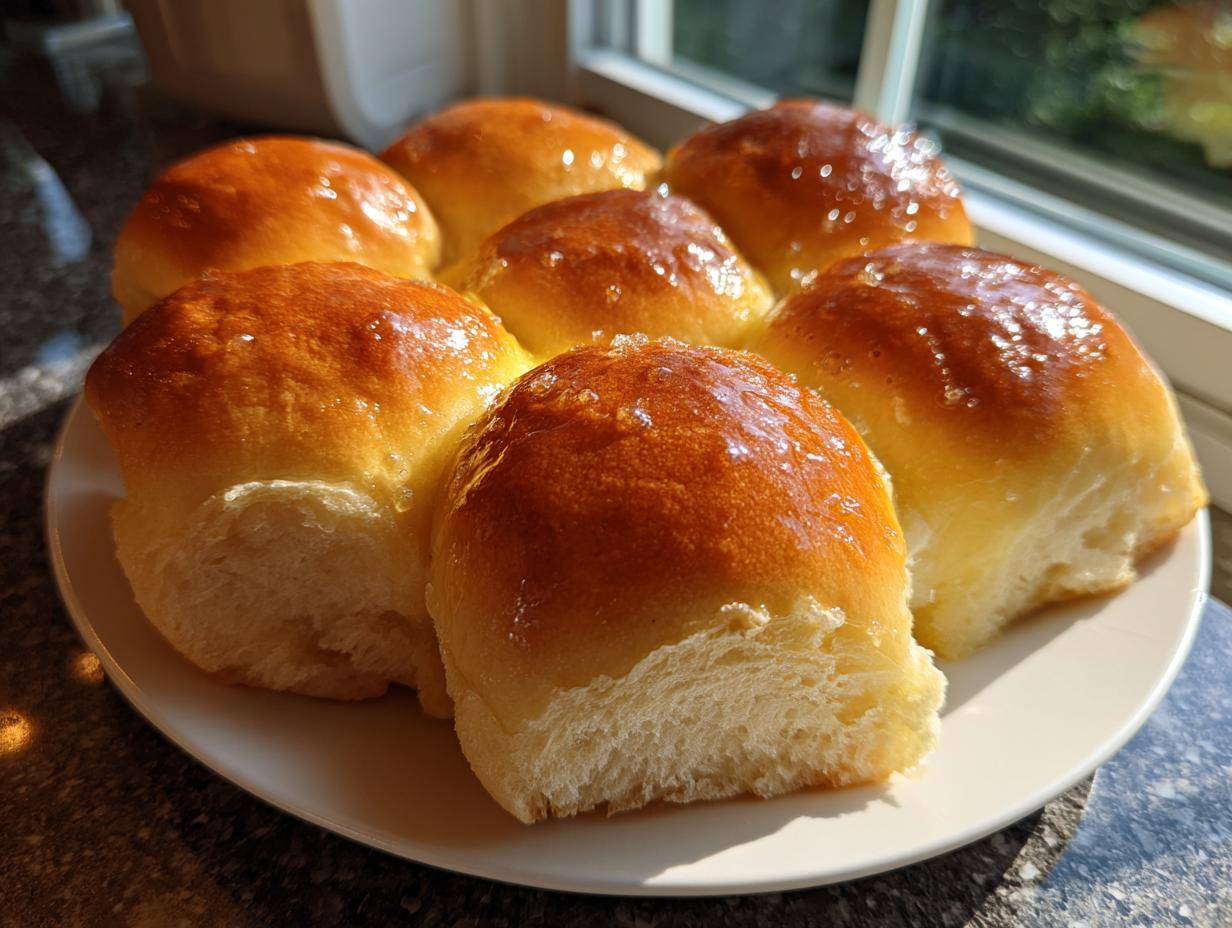
Oh, that feeling when your counter is covered in perfectly bubbly, slightly sour discard! We all know that moment—you just fed your starter and now you have this extra cup of possibility sitting there. Don’t you dare pour it down the sink! I’m Aria, and I love teaching home bakers like you how to transform those leftovers into something truly special. Forget those dense hockey pucks you sometimes get with wild yeast baking. These sourdough discard dinner rolls are wonderfully soft, light, and fluffy, and the best part? We’re using active dry yeast too, which gives us the confidence of a quick rise without needing an actively peaking starter. Let’s turn that waste into the star of your dinner table!
- Why You Will Love This Easy Sourdough Discard Dinner Rolls Recipe
- Essential Ingredients for Light and Airy Discard Rolls
- Tips for Making Soft Sourdough Discard Rolls Perfectly
- Step-by-Step Instructions for Sourdough Discard Dinner Rolls
- Variations for Your Homemade Sourdough Discard Rolls for Dinner
- Storage and Reheating: Keeping Your Sourdough Discard Dinner Rolls Fresh
- Frequently Asked Questions About Using Discard in Yeast Breads
- Estimated Nutritional Profile for Sourdough Discard Dinner Rolls
- Share Your Homemade Sourdough Discard Rolls Experience
Why You Will Love This Easy Sourdough Discard Dinner Rolls Recipe
I know you’re looking for a fantastic way to use up that extra starter without turning it into yet another loaf of sandwich bread. Trust me, I’ve experimented with so many discard recipes, and this one consistently wins because it delivers on texture—something discard bread can struggle with!
This truly is an easy sourdough discard dinner rolls recipe that guarantees you get that soft, pillowy bite you are looking for. Here’s why I keep coming back to this exact formula:
- The Perfect ‘Next Day’ Flavor: The discard gives these rolls that subtle, complex tang that yeast alone can’t provide. It elevates your standard yeast roll instantly!
- Guaranteed Softness: We are using active dry yeast alongside the discard, which means you don’t have to worry about fermentation timing. The result is reliably light and airy discard rolls every single time.
- Zero Waste Hero: Finally, a delicious way to use up that cup of unfed starter sitting on your counter. Say goodbye to tossing good flour away!
- Amazing Texture: These develop that wonderful, shreddable crumb. They are perfect for soaking up gravy or just being eaten hot with butter.
- Simple Mixing: Unlike sourdough loaves, you don’t need any special folding or shaping techniques here. It mixes up just like a standard roll dough, making it accessible for every skill level!
Essential Ingredients for Light and Airy Discard Rolls
When you’re aiming for incredibly soft sourdough discard rolls, the quality and temperature of your ingredients make a huge difference. Don’t rush this part! I always line up everything on the counter before I even preheat the milk, just so I can confirm I haven’t forgotten that crucial egg or butter.
Since these are yeast-leavened, we’re using the discard more for flavor than for structure, which is why we can achieve such a beautiful texture. Check this list against your pantry—you probably have everything you need right now!
- 1 cup active sourdough discard (unfed starter): Yes, you read that right—a full cup! This is where that lovely, gentle tang comes from. It doesn’t need to be active; just scoop it straight from the fridge!
- 1 cup warm milk (about 105°F to 115°F): This is non-negotiable for waking up the yeast. Too hot, and you kill the yeast; too cold, and nothing happens. Use a quick thermometer check!
- 2 1/4 teaspoons active dry yeast: This is what gives us the lift for those fluffy discard bread rolls.
- 1/4 cup granulated sugar: This feeds the yeast and adds just a touch of sweetness to balance the sourdough tang.
- 1 large egg, room temperature: Make sure this egg isn’t straight from the fridge! Room temperature eggs mix in smoother and create a finer dough structure.
- 1/4 cup unsalted butter, melted: Melted butter adds richness and helps make the final product tender. Don’t substitute oil here; butter gives the best flavor in these rolls.
- 3 1/2 cups all-purpose flour, plus more for dusting: We start with 3 cups and then add the final half-cup slowly. We want dough that is soft, not stiff!
- 1 teaspoon salt: Essential for flavor and for controlling how fast the yeast works.
- 2 tablespoons melted butter, for brushing: This is the grand finale—brushed on right when they come out of the oven for that irresistible, soft crust.
Tips for Making Soft Sourdough Discard Rolls Perfectly
Okay, let’s talk texture because this is where most people get nervous when baking with discard. We are aiming for ridiculously fluffy discard bread rolls, not something heavy. The secret isn’t just the ingredients; it’s how you treat the dough before it even sees the oven. Patience during the rising stage pays off huge here, I promise!
The kneading time is also crucial for developing just enough gluten structure to trap the gases produced by the yeast. You want that dough to feel smooth and bouncy when you poke it lightly. If you’re worried about overworking yeast dough, I have some baking bread secrets for that exact issue over here in my making the softest yeast bread—the principles apply perfectly here.
And please, don’t rush the second rise either! That second puff, after you shape them into balls, is what gives you those beautiful, uniform rolls that touch each other in the pan.
Handling the Sourdough Discard Component
I want to put your mind at ease about this! Because we are using commercial active dry yeast, this is definitely a no active starter discard rolls situation. The discard is here purely to lend that gorgeous, subtle sourdough depth to the flavor profile. It’s not doing the heavy lifting for leavening. So, don’t panic if your discard wasn’t peaking; you are covering your bases with the yeast!
Step-by-Step Instructions for Sourdough Discard Dinner Rolls
Alright, time to get our hands messy! This process is straightforward, but following the sequence ensures you get those perfectly tender, homemade sourdough discard rolls for dinner. Remember, we are treating this dough mixture almost like a traditional yeast roll recipe, we’re just sneaking in that wonderful starter goodness!
- First up, wake up that yeast! Combine your 1 cup of warm milk (aiming for that 105°F to 115°F sweet spot) with the active dry yeast in a big bowl. Give it five minutes to sit. If it gets nice and foamy on top, you’re golden! No foam means your milk was too hot or the yeast is old, so you’ll need to start that part over.
- Next, we add the flavor makers. Whisk in your cup of sourdough discard—no need to feed it first—along with the sugar, the room temperature egg, and that 1/4 cup of melted butter. Mix until it looks mostly combined.
- Grab a separate bowl and whisk together 3 cups of your flour and the salt. We always mix the dry stuff separately so the salt is distributed evenly and doesn’t accidentally inhibit the yeast when they first meet.
- Now, start combining! Gradually add the dry ingredients to your wet mixture. Mix until you get a shaggy dough. Keep adding that final 1/2 cup of flour slowly, just until the dough pulls away from the sides of the bowl but is still definitely soft.
- Turn the dough out onto a lightly floured surface. This is where the magic happens! Knead the dough for a solid 6 to 8 minutes. You are looking for smooth, elastic dough. If you’re worried about overworking yeast dough, I have some baking bread secrets for that exact issue over here in my breadsticks guide that really applies here too.
- Time for the first rest. Lightly oil a clean bowl, place your kneaded dough inside, and turn it over so it’s coated. Cover it up tight and let it rise somewhere warm for about an hour to an hour and a half, or until it has doubled in size.
- Gently punch down that gorgeous, airy dough. Now, divide it precisely into 12 equal pieces. Roll each piece firmly into a smooth ball between your palms.
- Arrange your dough balls in your greased 9×13 pan. If you want those perfect, soft pull apart sourdough discard rolls, make sure you leave just a little bit of space between them. They will grow together as they proof and bake!
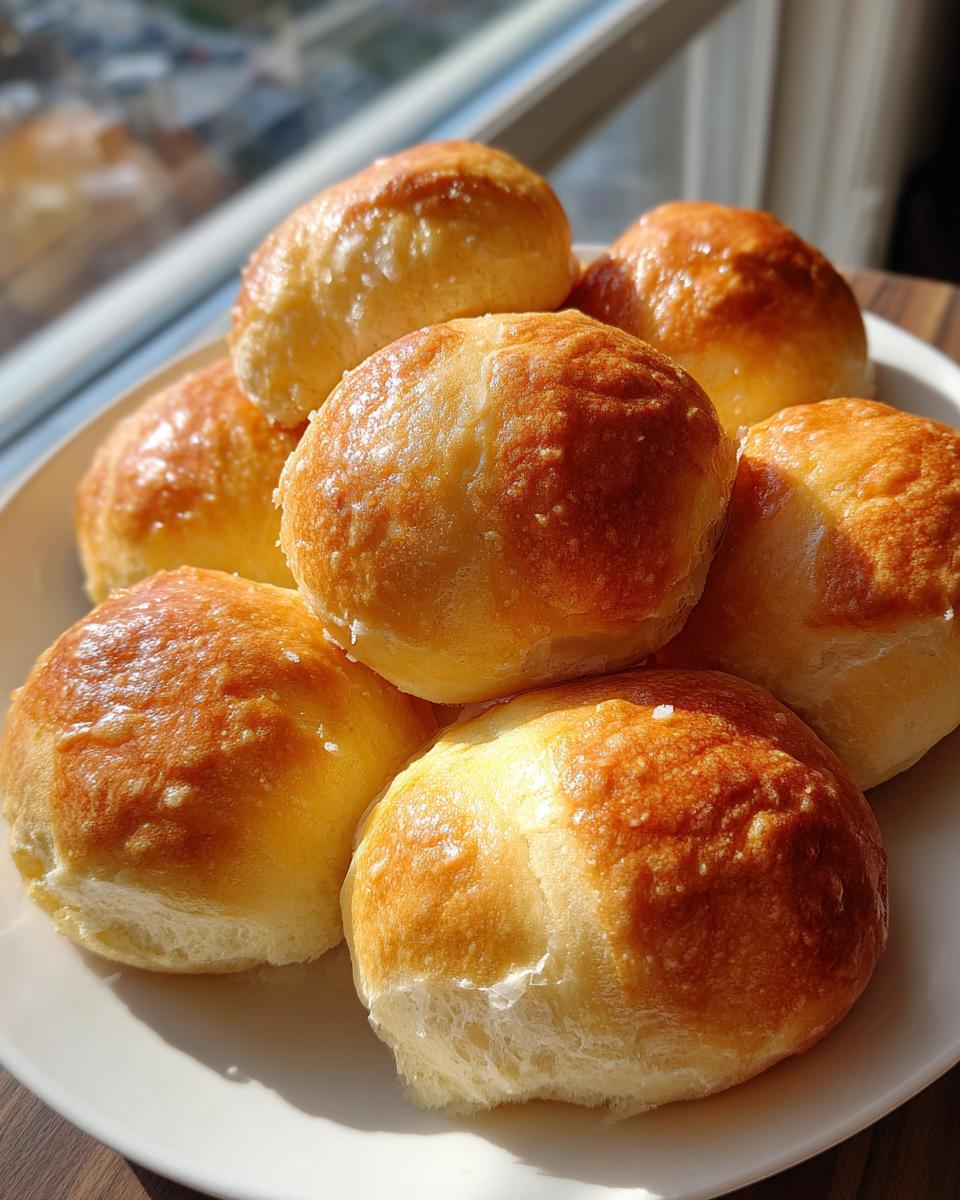
- Cover the pan again loosely and let them go for their final proof. This takes about 30 to 45 minutes. They should look beautifully puffy before they go into the oven.
- Preheat your oven to 375°F (190°C).
- Bake them for 15 to 18 minutes. You are watching for a lovely golden-brown color on top.
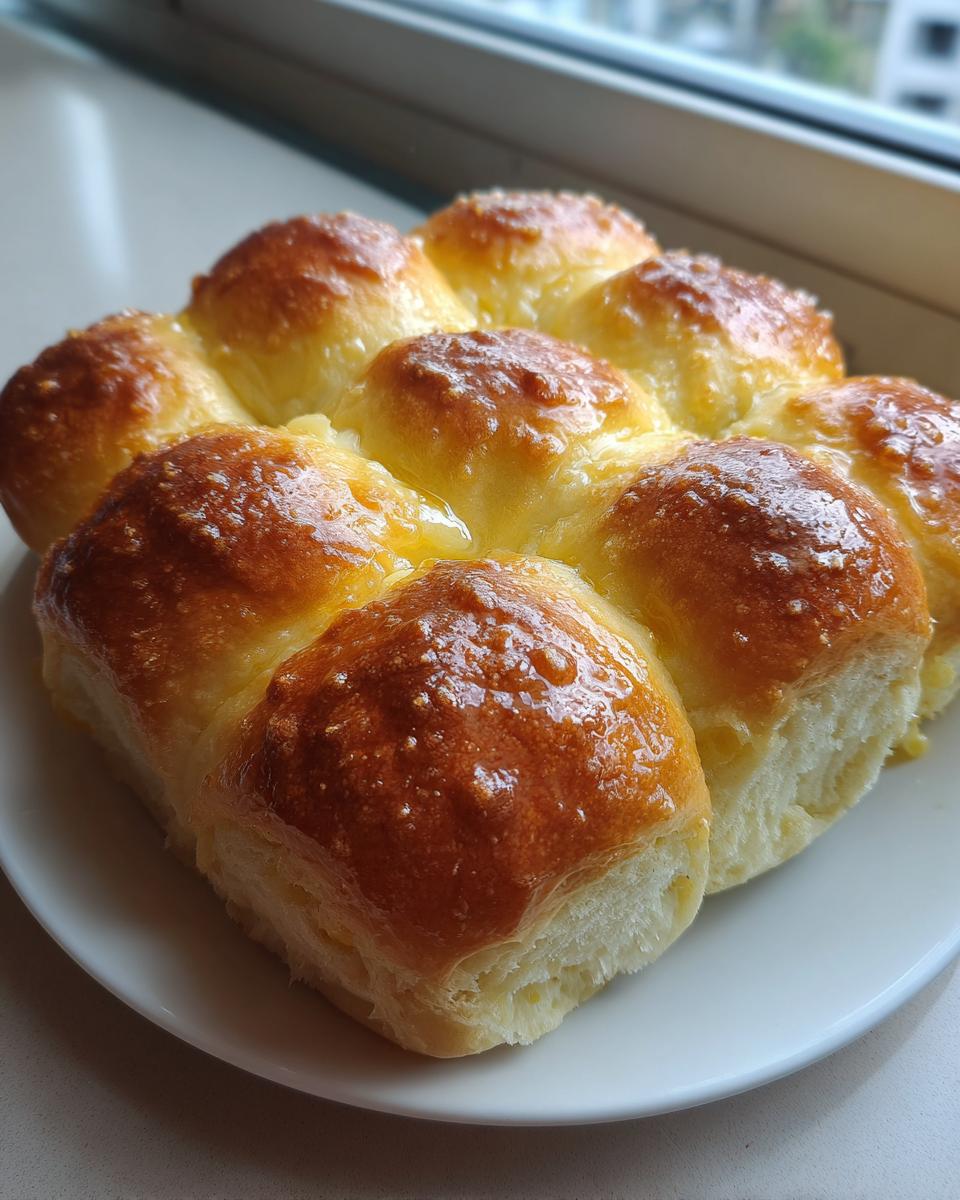
- The final, crucial step! As soon as they come out of the oven, brush all those hot tops with the remaining 2 tablespoons of melted butter. This locks in moisture and gives them that wonderful shine. Serve them warm!
Variations for Your Homemade Sourdough Discard Rolls for Dinner
You have mastered the basic, gorgeous soft sourdough discard rolls, but why stop there? Once you nail the technique, adapting the dough for different themes is so much fun. Since the discard adds flavor without overwhelming the dough, it takes on other additions beautifully! I often feel like my starter is asking me, “What adventure are we going on tonight?”
Think about what you are serving them with. Are you pairing them with chili? Go savory! Are they accompanying a simple pasta dish? A little sweetness might be nice. These little tweaks mean you can make a batch of savory sourdough discard buns one night and buttery classics the next.
- Garlic Herb Delight: This is one of my favorites for serving with Italian meals. Right after step 5 (after kneading, before the first rise), beat in 2 cloves of finely minced garlic and 1 tablespoon of dried Italian herbs (or fresh, chopped!) into the dough. If you love those herby, buttery flavors, you should also check out my inspiration for garlic parmesan knots—you can adapt that topping style here too!
- Cheesy Goodness: Who doesn’t love cheese in their bread? Fold in about 1/2 cup of finely shredded sharp cheddar or Monterey Jack cheese right before the first rise. Make sure the cheese isn’t ice cold, or it might seize up the gluten a bit.
- A Touch of Sweetness: If you are making these for breakfast or a sweeter dinner side, swap out the 1/4 cup of white sugar for light brown sugar (it complements the discard flavor nicely) and try folding in a teaspoon of cinnamon and maybe some finely chopped dried cranberries during the final shaping stages.
- The Ultimate Glaze: Instead of just brushing with plain butter when they come out, whip up a quick topping. For a slightly savory/sweet brush-on, mix 2 tablespoons of melted butter with 1 teaspoon of honey and a tiny pinch of flaky sea salt. Brush that on right after they bake.
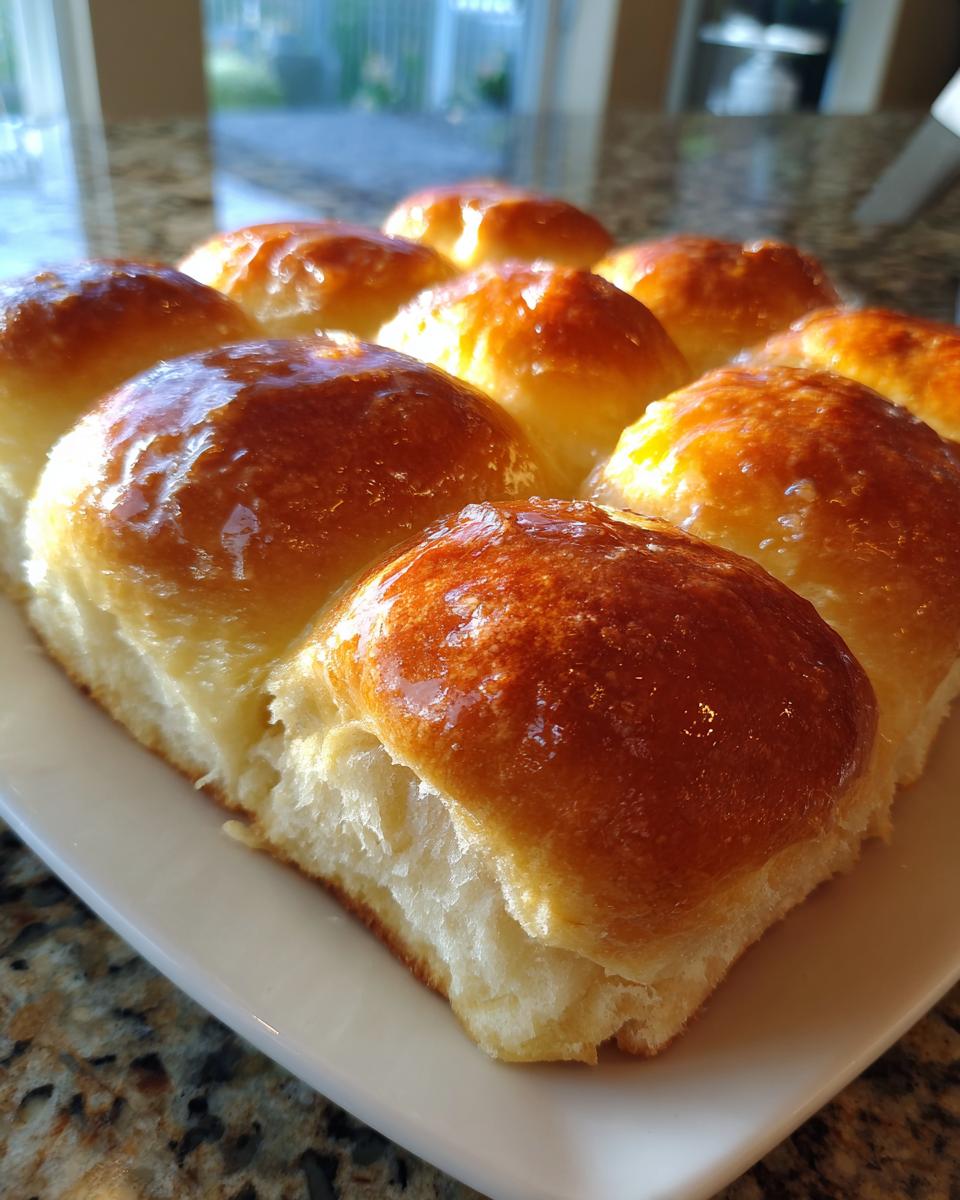
Trust me, once you see how easily this dough adapts, you’ll never throw away discard again!
Storage and Reheating: Keeping Your Sourdough Discard Dinner Rolls Fresh
The biggest problem with amazing homemade rolls is that they often taste even better the day you make them! But don’t worry, these sourdough discard dinner rolls reheat like a dream. They are so rich thanks to the melted butter and egg that they stay softer longer than standard white rolls, but we still need a strategy for serving them the next day.
I always aim to serve these warm, right out of the oven, but when life gets busy, here is how I manage them:
For storing your next day sourdough discard rolls, airtight is the keyword. Once they have completely cooled—and I mean completely, otherwise you get steam condensation and sogginess—place them in a large zip-top bag or an airtight container. At room temperature, they are usually fantastic for two to three days. If it’s really humid where you live, you might want to stick them in the fridge after day two, but let’s be honest, they rarely last that long!
If you know you won’t finish them in three days, freezing is your absolute best bet. I let them cool completely, place them snugly in a freezer-safe bag, and they are good for about two months. They freeze beautifully because they have a nice, sturdy structure even though they are soft inside.
The Best Way to Reheat Your Rolls
When you are ready to serve those frozen or day-old rolls, you have two options depending on how many you are reviving. If you are heating just one or two, the microwave is quick, but it can sometimes make the crumb a little chewy if you overdo it.
For a whole batch, or just maximum fluffiness, the oven is the way to go. Wrap the rolls loosely in aluminum foil—this traps the moisture we need to wake up the tenderness. Pop them into a preheated oven set low, around 300°F (150°C), for about 10 minutes. When you pull them out, they’ll be steaming hot and practically melt in your mouth again. It’s like magic, but really, it’s just good storage practice!
Frequently Asked Questions About Using Discard in Yeast Breads
I get so many questions after people try this recipe because it feels like cheating—using discard in a yeast-based roll! It’s wonderful that you’re all thinking critically about your baking process. Here are the most common things people ask me when they want to make sure their soft sourdough discard rolls turn out amazing every time.
Can I use 100% hydration discard for these sourdough discard dinner rolls?
That is a fantastic question! Yes, absolutely, you can! Most of the discard I use from my rye starter lands right around that 100% hydration level, meaning it’s equal parts water and flour by weight. This recipe is formulated to handle that typical wet discard because we account for that water content in the liquid measurements. However, if you happen to keep a very stiff starter, say 80% hydration, your dough might come out a little stiff initially. If that happens, just add water one teaspoon at a time during the kneading stage until you feel that lovely, soft elasticity returning. It’s all about feel!
How do I ensure my sourdough discard rolls are fluffy instead of dense?
This is the make-or-break question for anyone new to making light and airy discard rolls! Since we are using active dry yeast, we already have a huge advantage over pure sourdough. The real key here is respecting the two necessary rising phases. First, make sure your yeast mixture is foamy—that means your yeast is alive and ready to work! Second, do not punch the dough down too aggressively after the first rise, and then give that second rise (after shaping) plenty of time. That second puff is what traps all the air and keeps these rolls from collapsing into pizza dough texture.
We want them soft, and that softness comes from letting the yeast do its job undisturbed. If you are interested in transitioning to fully sourdough bread later on, I have a whole guide on starting your own starter from scratch, but for these rolls, the yeast gives us the shortcut to fluff!
Estimated Nutritional Profile for Sourdough Discard Dinner Rolls
I always feel like knowing this helps me plan the rest of the menu—does this need a huge salad on the side, or can I get away with just some good butter? Because these rolls contain dairy, egg, and flour, they are certainly hearty! They make a fantastic side for any robust meal.
I want to be upfront that these numbers are always best guesses. They rely on standard measurements for all-purpose flour, milk fat content, and exact sugar amounts. But this should give you a great idea of what you’re consuming when you devour one (or three!) of these homemade sourdough discard rolls for dinner!
Here is the estimated breakdown per one roll, based on a yield of 12 rolls:
- Calories: 210
- Fat: 6g
- Saturated Fat: 3.5g
- Trans Fat: 0.1g
- Carbohydrates: 34g
- Fiber: 1.5g
- Sugar: 6g
- Protein: 5g
- Cholesterol: 25mg
- Sodium: 280mg
Like I always say, baking at home means you control the ingredients, but it also means these are estimates! If you use whole milk instead of 2%, for example, the fat content will shift slightly. Either way, knowing the macros helps me feel confident serving these beautiful, tangy rolls to my family!
Share Your Homemade Sourdough Discard Rolls Experience
And there you have it! You’ve successfully turned leftover starter into what I guarantee will be the fluffiest, most flavorful sourdough discard dinner rolls you’ve ever made. I truly believe that the best part of developing these recipes is seeing them come to life in all your kitchens. It makes me feel connected to you all, like we’re all sharing a big, warm loaf together!
If these rolls made it to your dinner table—maybe alongside your Tuesday night roast or just waiting to be slathered with butter—I would absolutely love to hear about it. Did you try the garlic-herb variation? Did they disappear faster than you expected? Let me know!
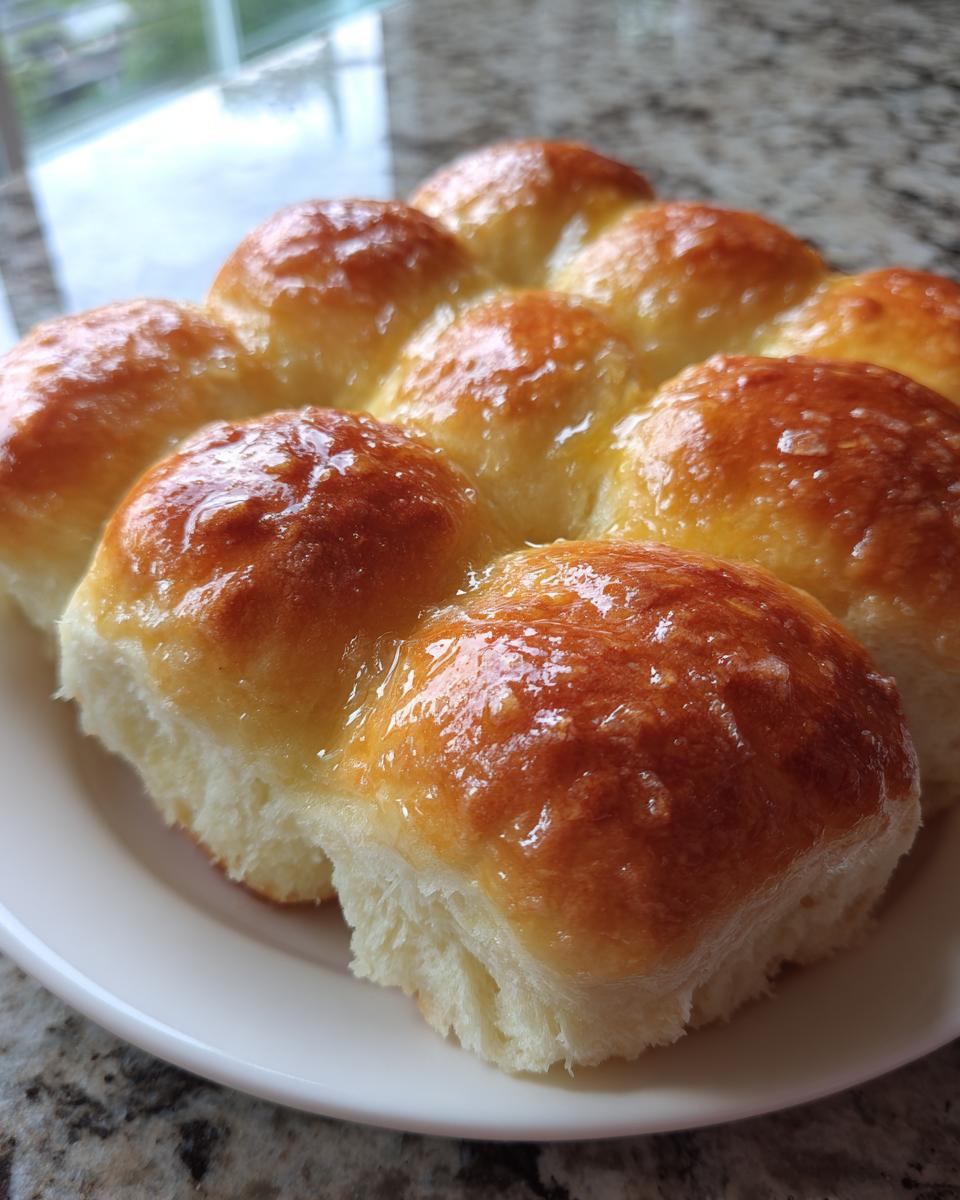
Head down to the comments below, leave a star rating for the recipe, and tell me what you thought! Your feedback helps other home bakers feel confident trying this recipe out. We’re all on this culinary journey together, connecting over great food, and I love sharing that path with you. If you want to learn more about my philosophy on simplifying home cooking, you can always check out my mission over on the About page. Happy baking!
PrintSoft Sourdough Discard Dinner Rolls

Make soft and fluffy dinner rolls using your leftover sourdough starter discard. This easy recipe produces flavorful, light rolls perfect for any meal.
- Prep Time: 20 min
- Cook Time: 18 min
- Total Time: 1 hour 53 min
- Yield: 12 rolls 1x
- Category: Bread
- Method: Baking
- Cuisine: American
- Diet: Vegetarian
Ingredients
- 1 cup active sourdough discard (unfed starter)
- 1 cup warm milk (about 105°F to 115°F)
- 2 1/4 teaspoons active dry yeast
- 1/4 cup granulated sugar
- 1 large egg, room temperature
- 1/4 cup unsalted butter, melted
- 3 1/2 cups all-purpose flour, plus more for dusting
- 1 teaspoon salt
- 2 tablespoons melted butter, for brushing
Instructions
- In a large bowl, combine the warm milk and yeast. Let stand for 5 minutes until foamy.
- Whisk the sourdough discard, sugar, egg, and 1/4 cup melted butter into the yeast mixture.
- In a separate bowl, whisk together 3 cups of the flour and the salt.
- Gradually add the dry ingredients to the wet ingredients, mixing until a shaggy dough forms. Add the remaining 1/2 cup of flour as needed until the dough is soft but no longer sticky.
- Turn the dough out onto a lightly floured surface. Knead for 6 to 8 minutes until the dough is smooth and elastic.
- Place the dough in a lightly oiled bowl, turning to coat. Cover the bowl with plastic wrap or a clean towel. Let the dough rise in a warm place for 1 to 1.5 hours, or until doubled in size.
- Gently punch down the risen dough. Divide the dough into 12 equal pieces. Roll each piece into a smooth ball.
- Arrange the dough balls in a greased 9×13 inch baking pan, leaving a small space between them for spreading.
- Cover the pan loosely and let the rolls rise again for 30 to 45 minutes, or until puffy.
- Preheat your oven to 375°F (190°C).
- Bake for 15 to 18 minutes, or until the tops are golden brown.
- Immediately brush the tops of the hot rolls with the 2 tablespoons of melted butter. Serve warm.
Notes
- For pull-apart rolls, place the dough balls closer together in the pan before the second rise.
- If your kitchen is cold, place the bowl in a turned-off oven with the light on to aid rising.
- You can substitute whole milk with 2% milk for a slightly lighter roll.
Nutrition
- Serving Size: 1 roll
- Calories: 210
- Sugar: 6
- Sodium: 280
- Fat: 6
- Saturated Fat: 3.5
- Unsaturated Fat: 2.5
- Trans Fat: 0.1
- Carbohydrates: 34
- Fiber: 1.5
- Protein: 5
- Cholesterol: 25