

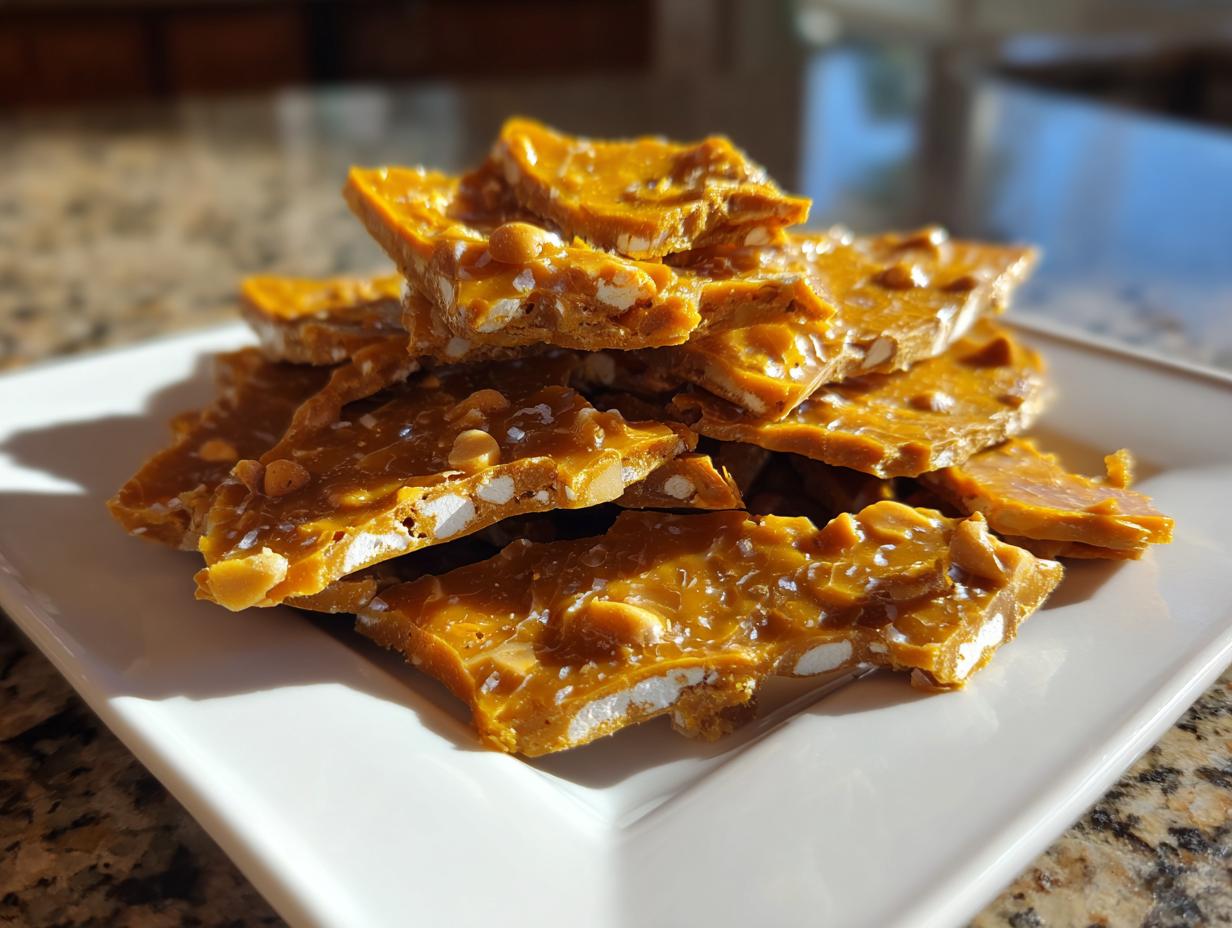
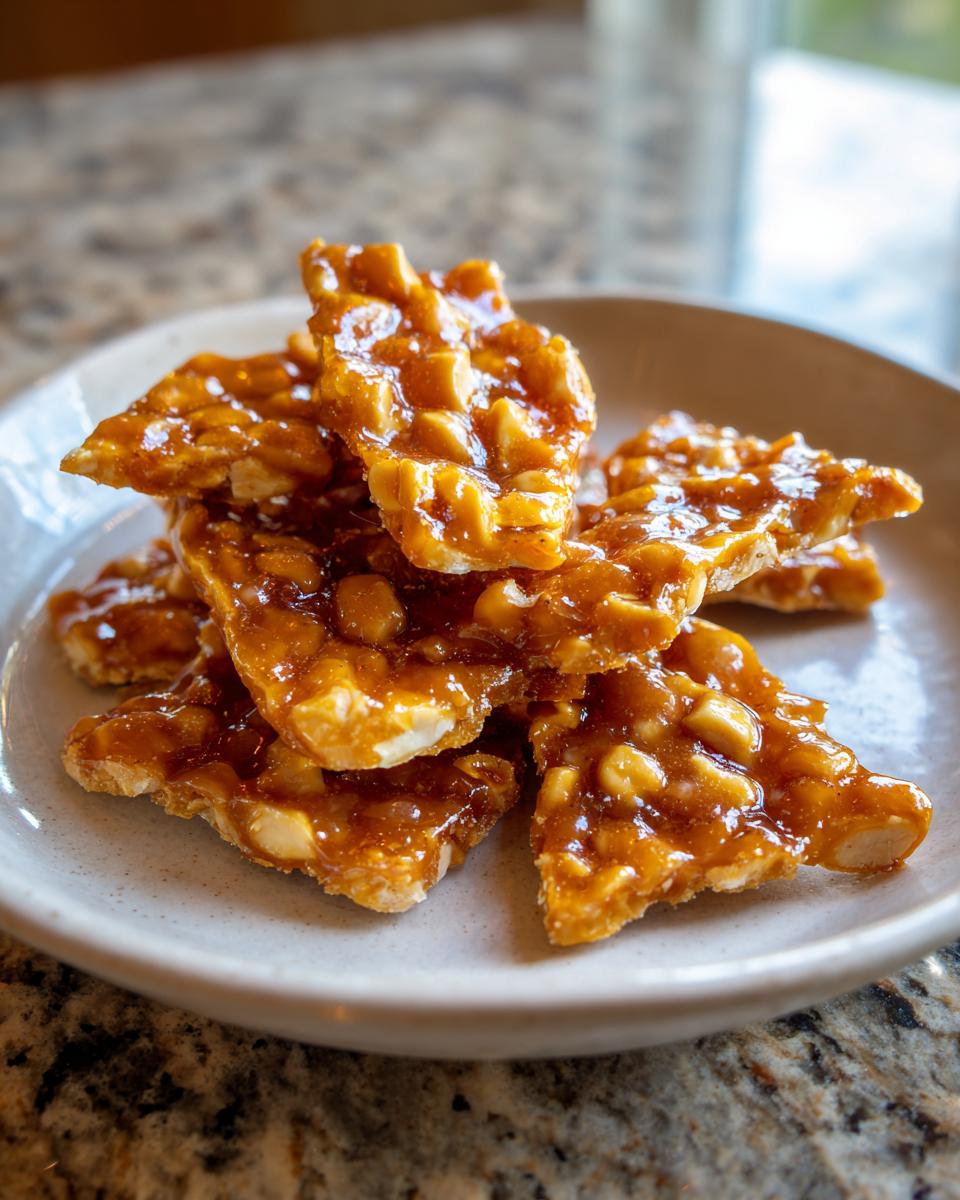
There is no sound in the kitchen more satisfying than the sharp, clean *snap* of perfectly made peanut brittle breaking apart. Seriously, that sound is pure joy! For years, I struggled with brittle that went gooey halfway through the bag. It’s frustrating, right? But I finally cracked the code, and trust me, mastering this **peanut brittle recipe** is totally achievable for you, even if you think candy making is scary. The secret isn’t magic; it’s temperature. I’m going to walk you through exactly how to use your candy thermometer to guarantee that hard crack stage every single time. Once you master this, you’ll feel like a culinary wizard! We’re going back to that rich, buttery, old-fashioned flavor that just melts perfectly on your tongue. I promise, you won’t go back to buying it in a tin after this! If you want to try another delightful holiday treat after this, check out my recipe for soft and chewy ginger molasses cookies.
- Why This peanut brittle recipe Guarantees a Perfect Snap
- Ingredients for Your Old Fashioned peanut brittle recipe
- Step-by-Step Instructions for This Crunchy Candy Recipe
- Tips for Success with Your Homemade Peanut Brittle
- Making This peanut brittle recipe for Holiday Peanut Treats and Gifting
- Ingredient Notes and Substitutions for Buttery Peanut Candy
- Storage and Handling for Your Classic Confection Recipe
- Frequently Asked Questions About This peanut brittle recipe
- Nutritional Estimate for This Sweet and Salty Snack
Why This peanut brittle recipe Guarantees a Perfect Snap
So many recipes fail because they skip the critical measurement phase. Chewy brittle is usually the result of pulling the mixture off the heat too soon! Trust me, I’ve tried the ‘wait until it looks right’ method, and it never works reliably. This is where we build confidence in our **peanut brittle recipe** by relying on science, not guesswork. You’ll love how simple it is once you trust your thermometer.
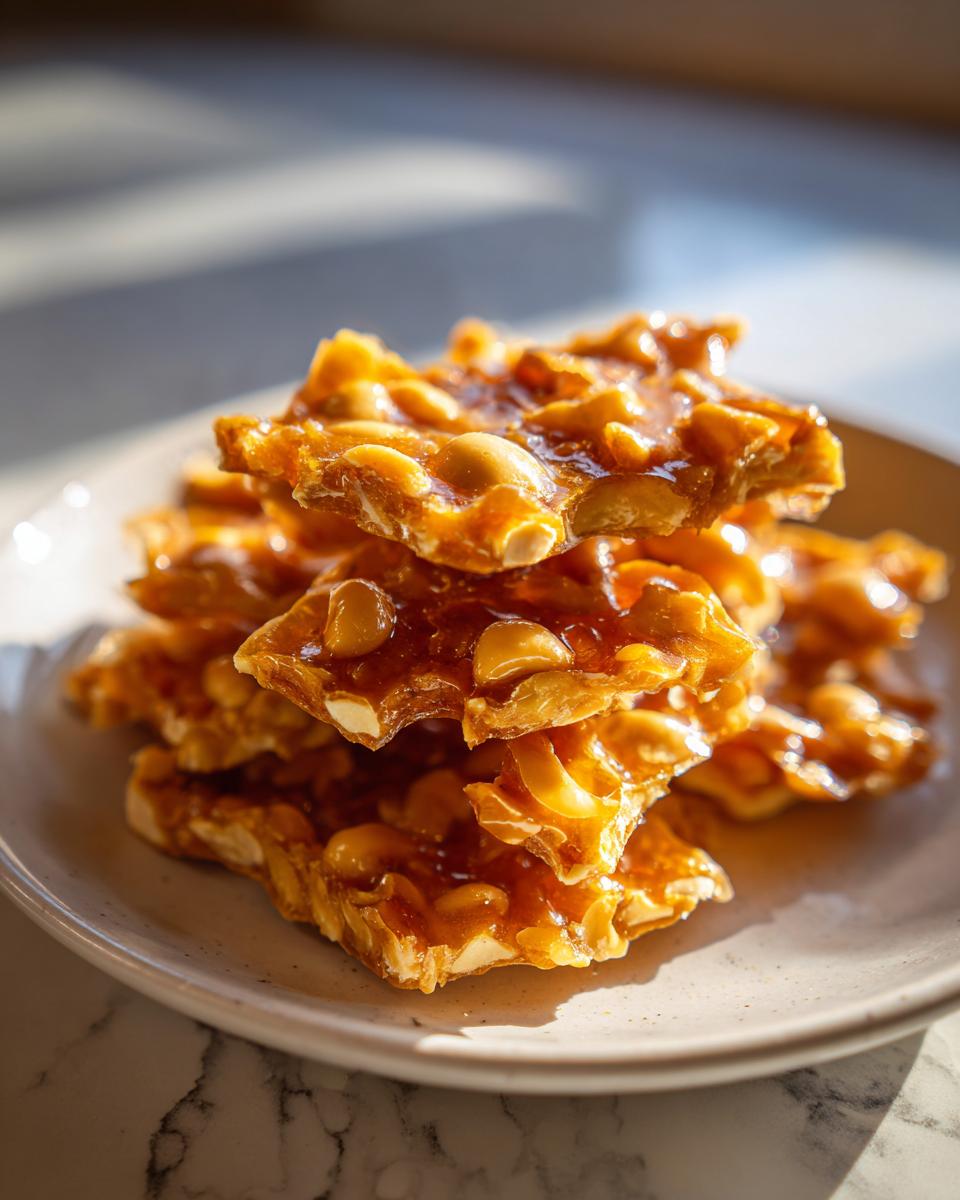
- It completely eliminates the guesswork and prevents sticky, chewy candy.
- We use roasted peanuts for the best sweet and salty flavor base.
- The reaction with the baking soda gives you beautiful, airy shards!
If you’re looking for another reliable favorite that always comes out perfectly, check out my recipe for the best moist banana bread. It’s all about technique!
The Role of the Candy Thermometer in This peanut brittle recipe
You absolutely must use a candy thermometer for this. I know, I know, it sounds fussy, but it’s the only way to nail the texture. For that satisfying crunchy candy recipe snap you’re dreaming about, we need to hit the Hard Crack Stage, which is exactly 300 degrees Fahrenheit (149°C). If you stop even ten degrees early, say at 290 degrees, you end up with what I call ‘peanut fudge,’ which definitely won’t snap. Using accurate Candy Thermometer Tips means you are in total control over the final texture!
Ingredients for Your Old Fashioned peanut brittle recipe
Okay, the ingredients list for this old fashioned candy is beautifully short, which is what I love about it! You probably have most of this sitting in your pantry right now. We only use a handful of things, but those precise amounts—especially the sugar and peanuts—are critical for that perfect texture later on. I always use unsalted butter so I can control the saltiness myself when we get to the final mix. If you want to try another simple, pantry-friendly baking project after this, my vegan banana bread is a huge hit.
- 2 cups granulated sugar
- 1 cup light corn syrup
- 1 cup water
- 2 cups roasted, unsalted peanuts
- 2 tablespoons unsalted butter
- 1 tablespoon baking soda
- 1 teaspoon vanilla extract
Step-by-Step Instructions for This Crunchy Candy Recipe
Alright, now for the fun (and slightly frantic) part! While this is an easy brittle recipe overall, the last minute or two happens very fast. My very first attempt at this crunchy candy recipe, I got distracted checking my text messages when the sugar hit 295°F, and by the time I looked back, it was scorching the bottom of the pan! I had to yank it off the heat immediately, stir like crazy, and pray. Luckily, that quick thinking saved it from becoming burnt rock candy, but it taught me a big lesson: stay glued to that thermometer!
First step: Get prepped! Grease your baking sheet or lay down parchment paper or a silicone mat. If you don’t do this first, you will absolutely struggle later. In a big, heavy saucepan, combine your sugar, corn syrup, and water. Stir it gently just until that sugar dissolves. Then, pop your thermometer on—and this is vital—DO NOT STIR IT ONCE IT STARTS BOILING. Seriously, step away from the spatula!
Let it bubble away happily until it hits 250°F (that’s the soft ball stage). Once you see that bubble, stir in your 2 cups of peanuts. Now we cook, stirring only occasionally so nothing scorches, until that thermometer screams 300°F! Then, we move fast.
Achieving the Hard Crack Stage: The Key to This peanut brittle recipe
This temperature—300°F—is the entire game here. If you pull the mixture off the heat when it’s only 290°F, you’ve made candy that’s just not cooked enough. It will look good, but when you try to snap it later, it will bend and chew instead of giving you that satisfying crack. We are aiming for brittle that shatters like glass, and 300°F is your assurance of that perfect crunch. If you’re making this for a friend who loves crunchy treats, make sure they know the temperature is the boss!
The Crucial Baking Soda Reaction
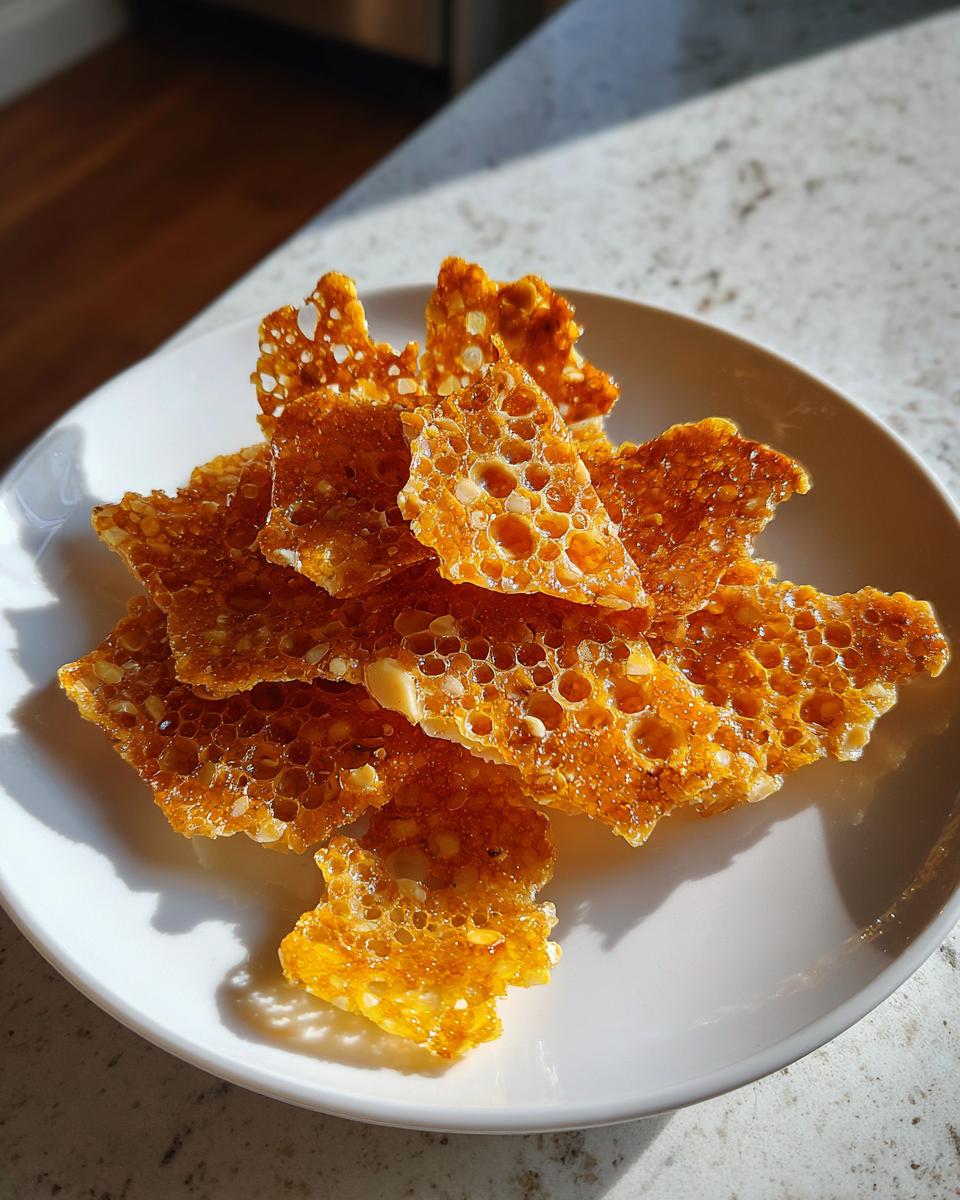
Once you pull the pan off the heat at the precise 300°F mark, you add the butter, vanilla, and then, the magic ingredient: baking soda. You have to stir in that baking soda quickly! The mixture is going to foam up HUGE, like a bubbly volcano erupting right there in your pot. That foaming is what creates all those light air pockets we love. Don’t hesitate; stir rapidly until combined, pour it out onto your sheet, and let physics take over. If you want to read more about making perfect stovetop stovetop treats, check out my recipe for quick creamy stovetop oatmeal, which also requires careful timing!
Tips for Success with Your Homemade Peanut Brittle
Making this candy might seem high-stakes, but there are two crucial things you can do to ensure you get that signature How to Make Brittle That Snaps every time. Honestly, it all comes down to preparation and patience during the cooking stage. Don’t try to rush things, and don’t ignore your setup!
First, let’s talk about the baking sheet. You need to grease it well, but I actually prefer lining it with parchment paper or a great silicone baking mat. If you use just butter or oil, the sheet might be too slick, and the brittle won’t spread evenly, leading to thicker spots that might stay chewy. The mat just gives it enough grip.
Second, and this is the one that trips everyone up: once that sugar, water, and corn syrup mixture starts actively boiling, stop stirring. I mean it! When you stir boiling sugar syrup, you send tiny sugar crystals flying up the sides of the pan. Those microscopic crystals act as nucleation points and will cause your entire batch to crystallize into grainy fudge instead of smooth, clear brittle. Just let it churn away until it hits the temperature, and only stir when the directions tell you to—usually only after the peanuts go in! For another recipe where timing is key for texture, you absolutely must check out my easy Basque cheesecake; it’s surprisingly foolproof once you know the oven trick.
Making This peanut brittle recipe for Holiday Peanut Treats and Gifting
This is one of my absolute favorite Holiday Peanut Treats to make when the weather gets cold! Honestly, who doesn’t feel happy unwrapping something so delightfully crunchy and sweet? Because this brittle is so sturdy and doesn’t need refrigeration, it makes the absolute best Homemade Food Gifts. Forget those flimsy cookies that break or melt; brittle lasts forever!
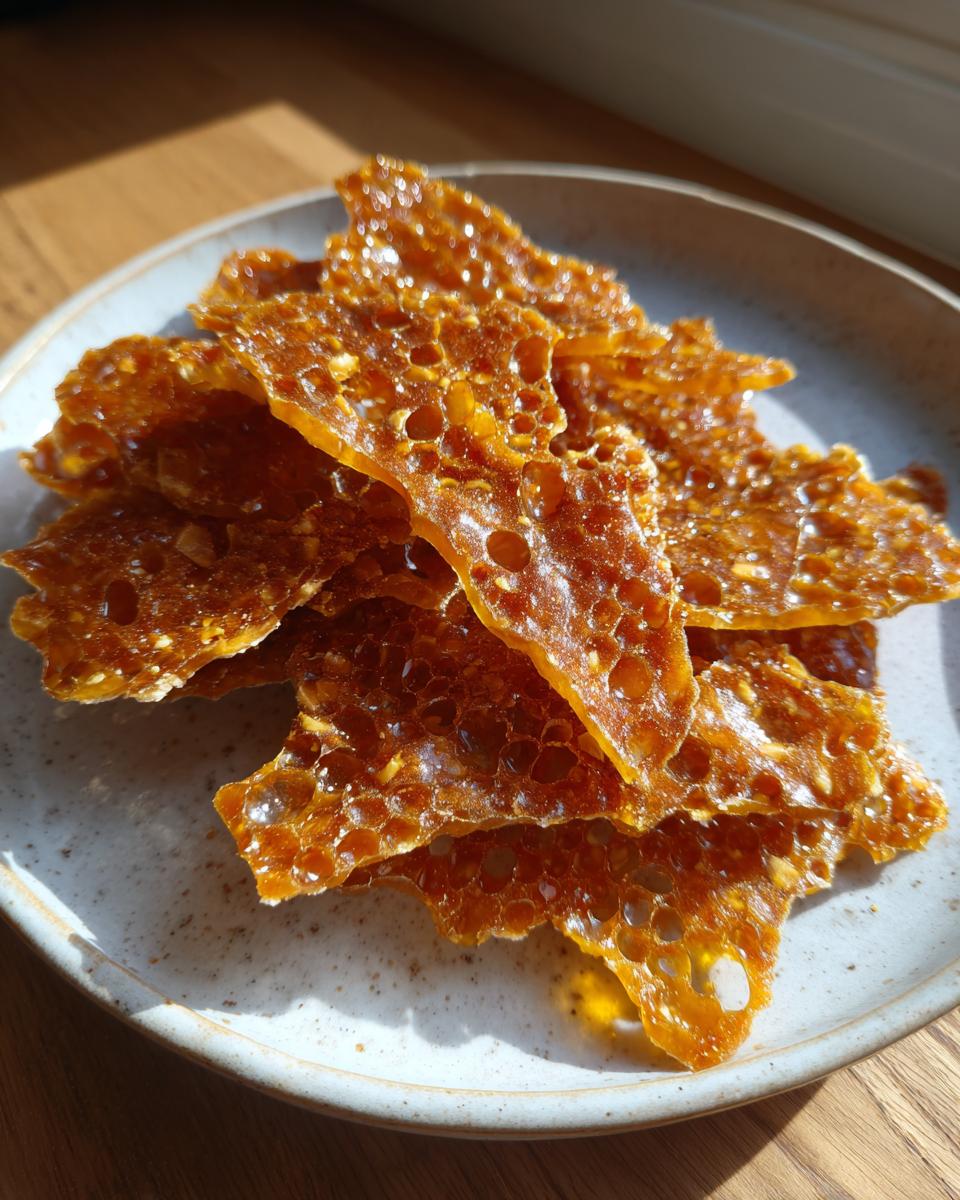
For packaging, take a lesson from professional candy makers: presentation matters! Once your peanut brittle has cooled completely and you’ve broken it into gorgeous shards, wrap the individual pieces in those little cellophane treat bags and tie them with a nice deep red or green ribbon. It looks so professional! If you’re making a big batch for Christmas Candy Making, store the bulk of it in an airtight container away from any moisture. I often pair a bag of brittle with my chocolate eclair cake recipe when I give them out!
Ingredient Notes and Substitutions for Buttery Peanut Candy
When making this truly classic Buttery Peanut Candy, sticking close to the list is usually best, but I get it—sometimes we have to improvise! Can you use salted peanuts? Yes, you certainly can, but you might want to cut back on any extra salt you might usually add to things. Since the recipe already has salt coming from the butter and the caramelized sugar, using unsalted peanuts lets you keep that perfect sweet-to-salty ratio in check.
Now, what about corn syrup? That light corn syrup is non-negotiable if you want to avoid graininess. It’s what keeps that sugar syrup smooth and stops it from seizing up into crystalline sugar instead of turning into glossy brittle. If you absolutely can’t find it, you could try using another invert sugar like Golden Syrup, but I strongly advise against swapping it for plain sugar or honey, as the texture will completely change. If you’re experimenting with different types of treats, you should definitely check out my recipe for the famous Levain Bakery-style chocolate chip cookies.
Storage and Handling for Your Classic Confection Recipe
Listen up, because this is where many people mess up their perfect batch of Classic Confection Recipe! Humidity is the absolute enemy of peanut brittle. That glorious, hard snap you worked so hard to achieve at 300°F will disappear faster than a cookie at a kid’s birthday party if you store it wrong.
The rule here is simple: keep it dry! Once the brittle is completely cool—and I mean zero warmth left in it—you must store it in an airtight container at room temperature. Don’t put it in the fridge! Cold air holds moisture, and that moisture will leach into your candy, making it sticky and chewy overnight. I keep mine in a sturdy container layered with wax paper, and it stays perfectly snappy. If you are looking for another treat that keeps really well, try my soft and chewy oatmeal cookies; they are also great for making ahead of time!
Frequently Asked Questions About This peanut brittle recipe
I know when you’re first starting out with candy, it feels like you need a cheat sheet! Don’t worry, I’ve compiled the questions I get asked the most about achieving this no fail peanut brittle. Candy making is all about precision, but once you know the rules, you can cook with so much more freedom! Let me clear up a few things so your next batch of this sweet and salty snack is absolutely perfect.
What temperature is the hard crack stage for peanut brittle?
This is the golden number! For brittle to achieve that perfect, glass-like snap—the one that doesn’t stick to your teeth—you MUST hit 300 degrees Fahrenheit, which is about 149 degrees Celsius. If you pull it off the heat at, say, 295°F, it’ll still look great, but trust me, it’s going to be chewy later. This is the single most important detail for making brittle that snaps!
Can I use brown sugar instead of white sugar in this peanut brittle recipe?
No, I really advise against it for this classic version. White granulated sugar is what gives you that clear, high-temperature caramel that turns brittle. Brown sugar has molasses in it, which automatically adds moisture to the mix. That extra moisture won’t let the syrup get high enough to reach the hard crack stage, which means you’ll end up with gummy, soft candy every single time. Stick to the granulated sugar for proper crunch!
If you want to try another simple stovetop recipe that focuses on texture, you should look at my instructions for making French onion soup, even though it’s savory, the sauce development is just as important!
Nutritional Estimate for This Sweet and Salty Snack
Just because this is an old-fashioned treat doesn’t mean we can’t peek at the numbers! As always, please remember these are just estimates based on the ingredients listed. Depending on the exact brand of peanuts or butter you use, your final counts might vary slightly. But this gives you a good baseline for what you’re enjoying when you indulge in this wonderful Sweet and Salty Snack.
I always keep this information handy, especially when I package it up for homemade food gifts. It’s nice to offer a little transparency, you know? Here is the breakdown per standard one-ounce serving size:
- Serving Size: 1 ounce
- Calories: 150
- Sugar: 18g
- Sodium: 45mg
- Fat: 8g
- Saturated Fat: 2g
- Unsaturated Fat: 6g
- Trans Fat: 0g
- Carbohydrates: 19g
- Fiber: 1g
- Protein: 3g
- Cholesterol: 5mg
Isn’t that great? It’s high on the sugar because, well, it’s candy! But those peanuts bring good protein and fat to the party. Pair a small piece with coffee, or use it to top things like ice cream sometimes. If you’re making savory things and want an easy prep tip, check out my recipe for an easy make-ahead cheesy egg bake!
PrintClassic Old Fashioned Peanut Brittle Recipe for a Perfect Snap
Follow this easy, step-by-step guide to make crunchy, old fashioned peanut brittle at home. We focus on candy thermometer tips to guarantee the hard crack stage for that satisfying, non-chewy snap every time. This buttery, sweet and salty snack is perfect for holiday candy making or homemade food gifts.
- Prep Time: 10 min
- Cook Time: 20 min
- Total Time: 65 min
- Yield: About 1 pound 1x
- Category: Dessert
- Method: Stovetop Candy Making
- Cuisine: American
- Diet: Vegetarian
Ingredients
- 2 cups granulated sugar
- 1 cup light corn syrup
- 1 cup water
- 2 cups roasted, unsalted peanuts
- 2 tablespoons unsalted butter
- 1 tablespoon baking soda
- 1 teaspoon vanilla extract
Instructions
- Prepare your surface: Lightly grease a large baking sheet or line it with parchment paper or a silicone mat. Set aside.
- Combine sugar, corn syrup, and water in a heavy-bottomed, large saucepan. Stir gently until the sugar dissolves.
- Attach a candy thermometer to the side of the pan, ensuring the tip is submerged but not touching the bottom.
- Place the pan over medium-high heat. Do not stir the mixture once it begins to boil. Allow the mixture to cook until it reaches 250 degrees Fahrenheit (Soft Ball Stage).
- Once it reaches 250 degrees F, stir in the roasted peanuts. Continue cooking, stirring occasionally to prevent scorching, until the mixture reaches 300 degrees Fahrenheit (Hard Crack Stage). This temperature is crucial for a crunchy candy that snaps.
- Immediately remove the pan from the heat. Quickly stir in the butter, vanilla extract, and then rapidly stir in the baking soda. The mixture will foam up significantly. Work quickly.
- Pour the entire foaming mixture onto the prepared baking sheet. Do not spread or scrape the sides of the pan; let it flow naturally.
- Allow the brittle to cool completely, about 30 to 45 minutes, until hard.
- Once fully cooled and hard, break the peanut brittle into irregular shards. Store in an airtight container at room temperature.
Notes
- Use a candy thermometer; this is the key to achieving the hard crack stage and avoiding chewy brittle.
- Do not stir the sugar syrup after it starts boiling until you add the peanuts; stirring can cause crystallization.
- The baking soda reacts with the hot syrup, creating air bubbles that result in a lighter, crisp texture.
- For a gift-worthy presentation, wrap pieces individually in cellophane bags tied with ribbon.
Nutrition
- Serving Size: 1 ounce
- Calories: 150
- Sugar: 18g
- Sodium: 45mg
- Fat: 8g
- Saturated Fat: 2g
- Unsaturated Fat: 6g
- Trans Fat: 0g
- Carbohydrates: 19g
- Fiber: 1g
- Protein: 3g
- Cholesterol: 5mg