

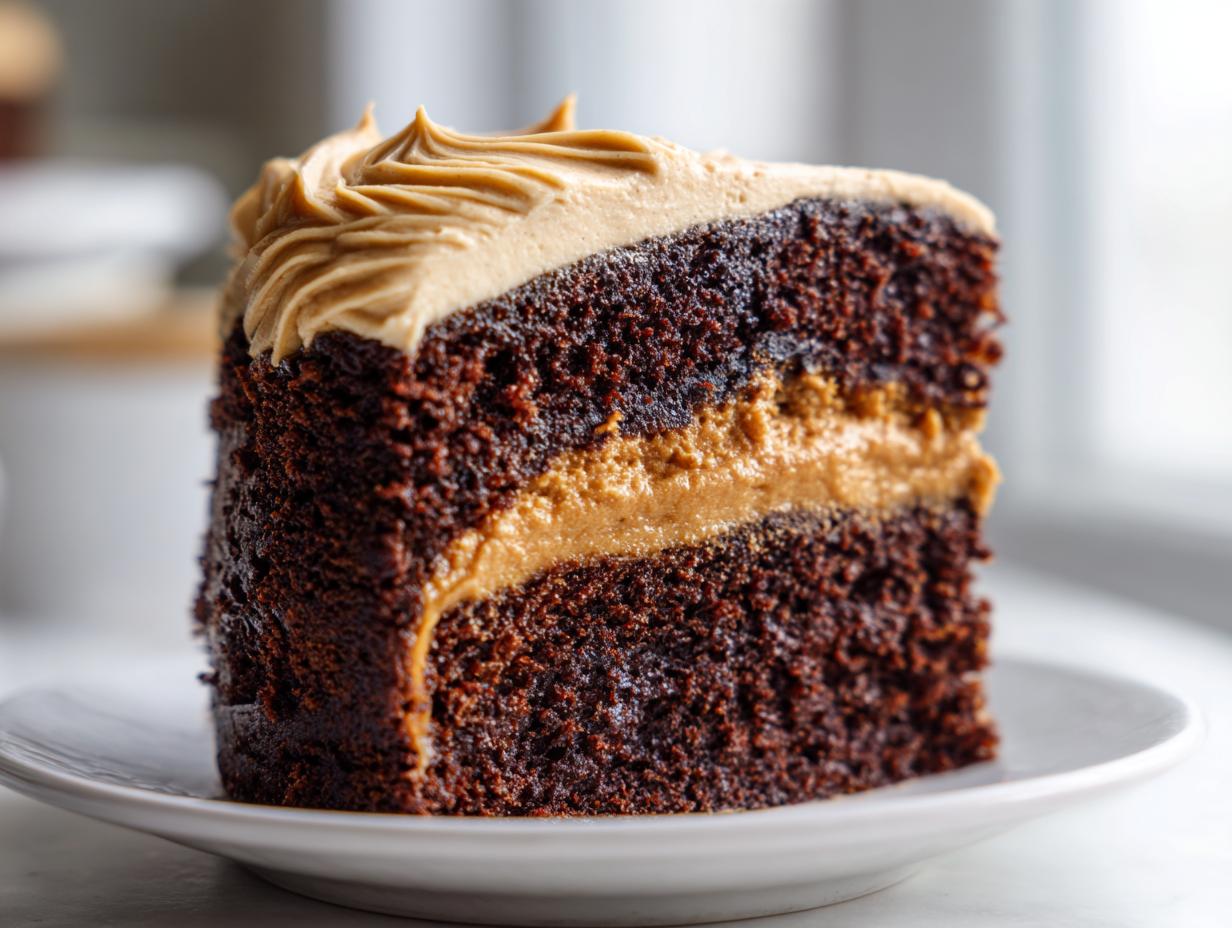
Oh, the smell of winter baking! Nothing beats it, right? That deep, warm wave of cinnamon and spice that instantly makes your whole house feel like a cozy sanctuary. Forget those crunchy cookies for a minute; when I want true, comforting spice, I turn immediately to a spectacular gingerbread cake. And trust me when I say I’ve tested this one—the Ultra Moist Gingerbread Cake with Brown Butter Cream Cheese Frosting—hundreds of times in my own kitchen, just for you. I even have a great recipe for soft pumpkin cookies if you need another cozy bake!
This recipe is everything the holidays call for: intense molasses depth, spices that sing, and a texture so unbelievably moist it almost melts on your tongue. It’s classic, but that browned butter frosting just takes it next level. I promise you, this is the one you’ll pull out year after year.
- Why This Ultra Moist Gingerbread Cake is Your New Holiday Favorite
- Essential Ingredients for the Best Gingerbread Cake
- Step-by-Step Instructions for Your Gingerbread Cake
- Tips for the Perfect Old Fashioned Gingerbread Cake
- Variations on This Classic Gingerbread Cake
- Serving Suggestions for This Winter Dessert Idea
- Storage and Reheating Instructions for Gingerbread Cake
- Frequently Asked Questions About Making Gingerbread Cake
- Understanding the Nutrition of This Gingerbread Cake
Why This Ultra Moist Gingerbread Cake is Your New Holiday Favorite
Look, I know everyone says their cake is the best, but I’m telling you, this one hits all the right nostalgic notes. It’s rich, it’s spicy, and it’s made to feel decadent without stressing you out. If you’re looking for top-tier holiday cake recipes that taste like they took all day but didn’t, this is it.
- It delivers that deep, complex spice profile you crave in a Christmas spice cake.
- The texture is phenomenal—never crumbly, never dry. It’s genuinely the best gingerbread cake I’ve ever made at home.
- The brown butter frosting adds a depth that plain cream cheese just can’t touch. If you love dips, you’ll adore this frosting upgrade; check out my easy fruit dip recipe for comparison on flavor boosting!
Achieving Peak Moistness in Your Gingerbread Cake
The moisture comes from two main players: the unsulfured molasses, which holds onto water, and the buttermilk. That buttermilk reacts perfectly with the baking soda to give it lift, but it leaves behind this incredible soft crumb. That’s the secret to keeping this cake tasting fresh for days!
Simple Steps for an Easy Gingerbread Recipe
Don’t let the flavor fool you; this is actually a wonderful easy gingerbread recipe. We mix the wet and dry ingredients in separate bowls and just alternate—no weird folding techniques required. If you’re short on time for a big gathering, know that baking this as a 9×13 gingerbread sheet cake is just as delicious and cuts down on the fuss!
Essential Ingredients for the Best Gingerbread Cake
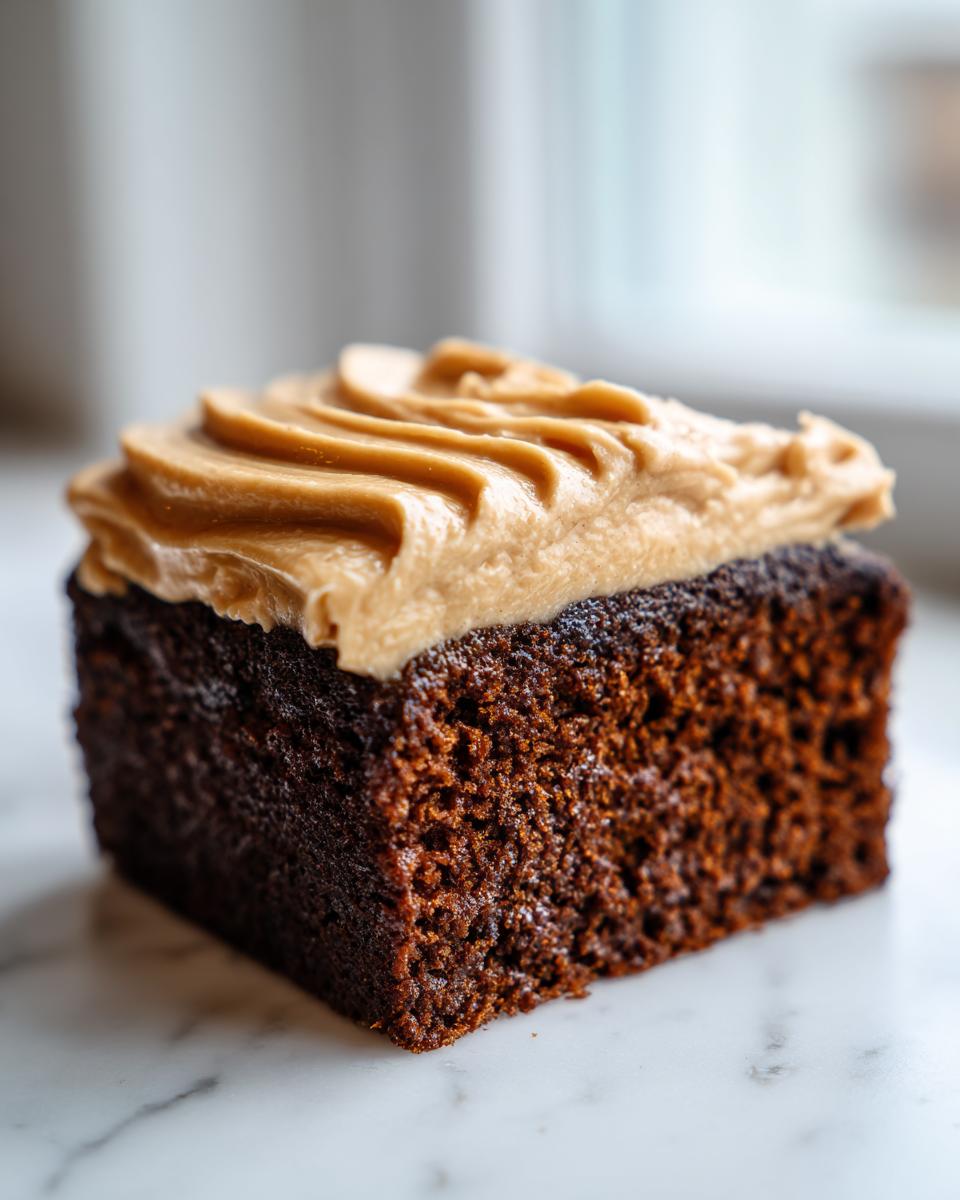
Listen, the difference between a good gingerbread cake and an *amazing* one always comes down to what you put in the bowl. For this recipe to shine—to really give you that ultimate moist gingerbread cake experience—we need to pay attention to the details on the ingredient card. I’ve developed this recipe to be totally from scratch gingerbread, and I want to walk you through the key players for both the cake and that dreamy frosting. If you like spiced loaves, this recipe is so much more satisfying than my pumpkin cream cheese bread, though both are great!
Ingredients for the Deeply Spiced Gingerbread Cake
This mix is where the magic happens, people. Always make sure your cinnamon, ginger, cloves, and nutmeg are fresh! Old spices taste like dust, and we want warmth, not disappointment. Dead spices will flatten the entire flavor profile of your Christmas spice cake.
- 1 3/4 cups all-purpose flour
- 1 teaspoon baking soda
- 1 teaspoon ground cinnamon (make sure it’s fresh!)
- 1/2 teaspoon ground ginger
- 1/2 teaspoon ground cloves
- 1/4 teaspoon ground nutmeg
- 1/2 teaspoon salt
- 1/2 cup (1 stick) unsalted butter, softened (room temperature is key here)
- 1/2 cup granulated sugar
- 1 large egg
- 1 cup unsulfured molasses (Use unsulfured—it has a better, deeper kick for this molasses cake recipe)
- 1/2 cup boiling water
- 1/2 cup buttermilk (Don’t skip this for moisture!)
Ingredients for the Brown Butter Cream Cheese Frosting
This frosting is slightly more involved than a simple dusting, but that browned butter is totally worth the extra two minutes of cooking. It gives the frosting a nutty depth that plays so nicely with the ginger.
- For the Frosting: 1/2 cup (1 stick) unsalted butter, browned (This needs to be cooled slightly before use!)
- 8 ounces cream cheese, softened
- 3 cups powdered sugar, sifted (Sifting is non-negotiable for smooth frosting!)
- 1 teaspoon vanilla extract
- 1/4 teaspoon salt
Step-by-Step Instructions for Your Gingerbread Cake
Okay, the ingredients are measured, so now we get to the fun part—putting it all together! This is where we make sure we get that amazing texture going. Don’t worry if you’ve never made a from scratch gingerbread cake before; I’ve broken down every step to ensure your gingerbread cake comes out perfect and ridiculously moist. You’ll want to preheat that oven to 350°F (175°C) right now so it’s ready when you are. Grease and flour your pan—I usually go for a 9×13 inch pan for the easiest clean-up, but two 8-inch rounds work great too.
Preparing the Gingerbread Cake Batter
First up, whisk all those fantastic dry spices (flour, baking soda, cinnamon, ginger, etc.) together in a bowl and set them aside. In your big mixing bowl, cream that softened butter with the granulated sugar until it looks nice and fluffy—this traps the air we need! Beat in that egg until it’s just blended in. Now, pour in the molasses and mix until it’s fully incorporated. Next, you alternate! Add a third of the dry ingredients, mix just until combined, then half of the buttermilk mixture, mix again. Repeat until you’ve used everything, stopping when you see just a few flour streaks left. The absolute last thing we add is that 1/2 cup of boiling water. Fold that in gently—the batter will be thin, and that is totally okay! Don’t even think about overmixing, or you’ll lose all that glorious moisture we worked so hard to build.
Baking and Cooling the Gingerbread Cake
Pour that thin, beautiful batter into your prepared pan(s). If you’re making a gingerbread sheet cake, expect it to bake for about 30 to 35 minutes. If you went the layer cake route, it might need 30 to 38 minutes. You’re done when a toothpick comes out clean! Let it cool completely on a wire rack. This is non-negotiable, guys. If you put warm frosting on the cake, you’re just asking for a melted, sticky mess. Patience, love!
Making and Applying the Brown Butter Cream Cheese Frosting
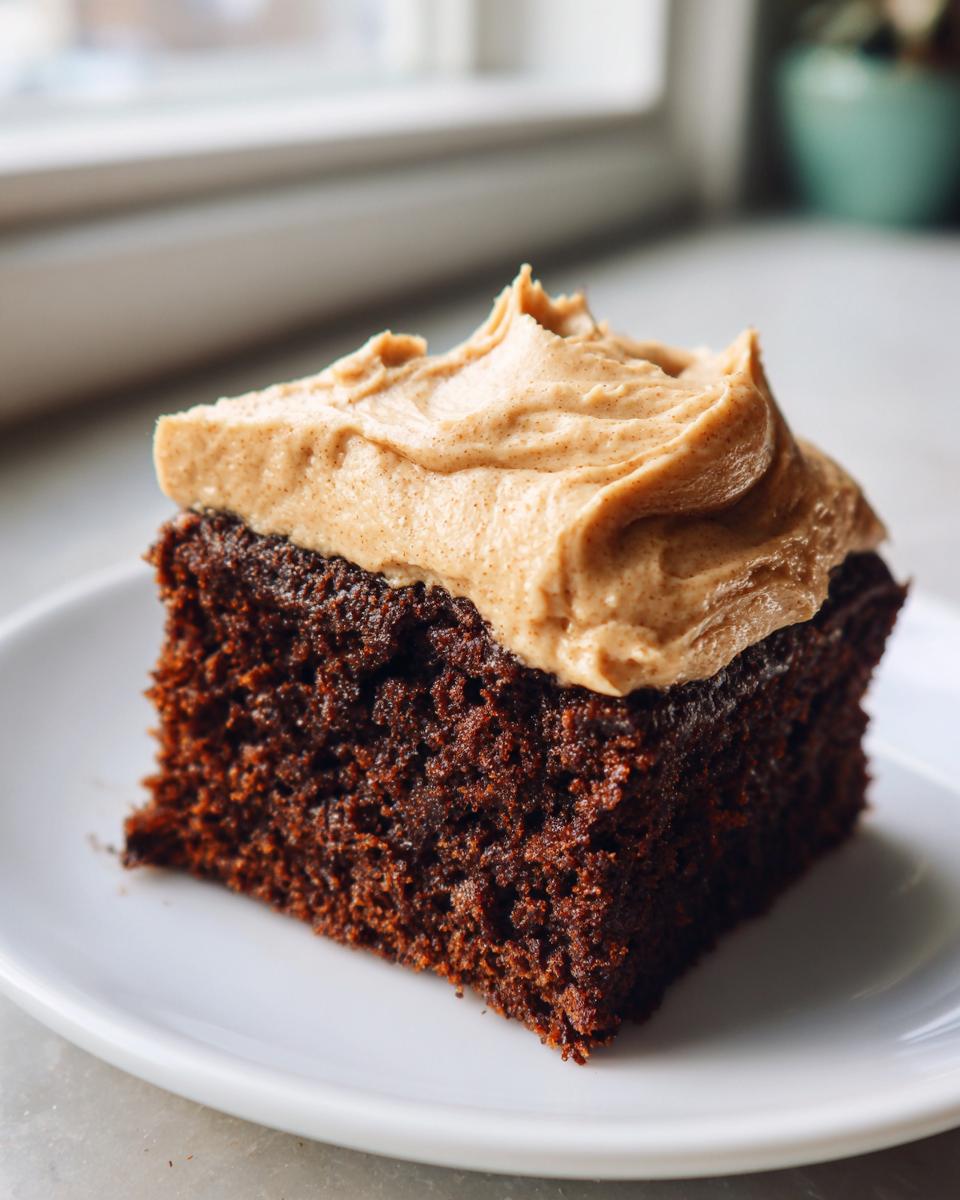
While the cake cools, let’s make this incredible topping. The trick here is browning the butter. Melt that 1/2 cup of butter in a light skillet over medium heat. Keep swirling it until those little milk solids turn chestnut brown and the whole thing smells nutty—trust me, this is the best smell! Pour it into a heatproof bowl right away so it doesn’t burn. Let it cool until it’s just at room temperature. Now you can beat the softened cream cheese until smooth, then beat in that cooled brown butter and the vanilla. Slowly add the sifted powdered sugar and salt until you get a creamy powerhouse frosting. Spread it generously over that completely cooled cake! And if you want to see how I make something similar but for my fudgy squares, check out my guide on chocolate crinkle cookies!
Tips for the Perfect Old Fashioned Gingerbread Cake
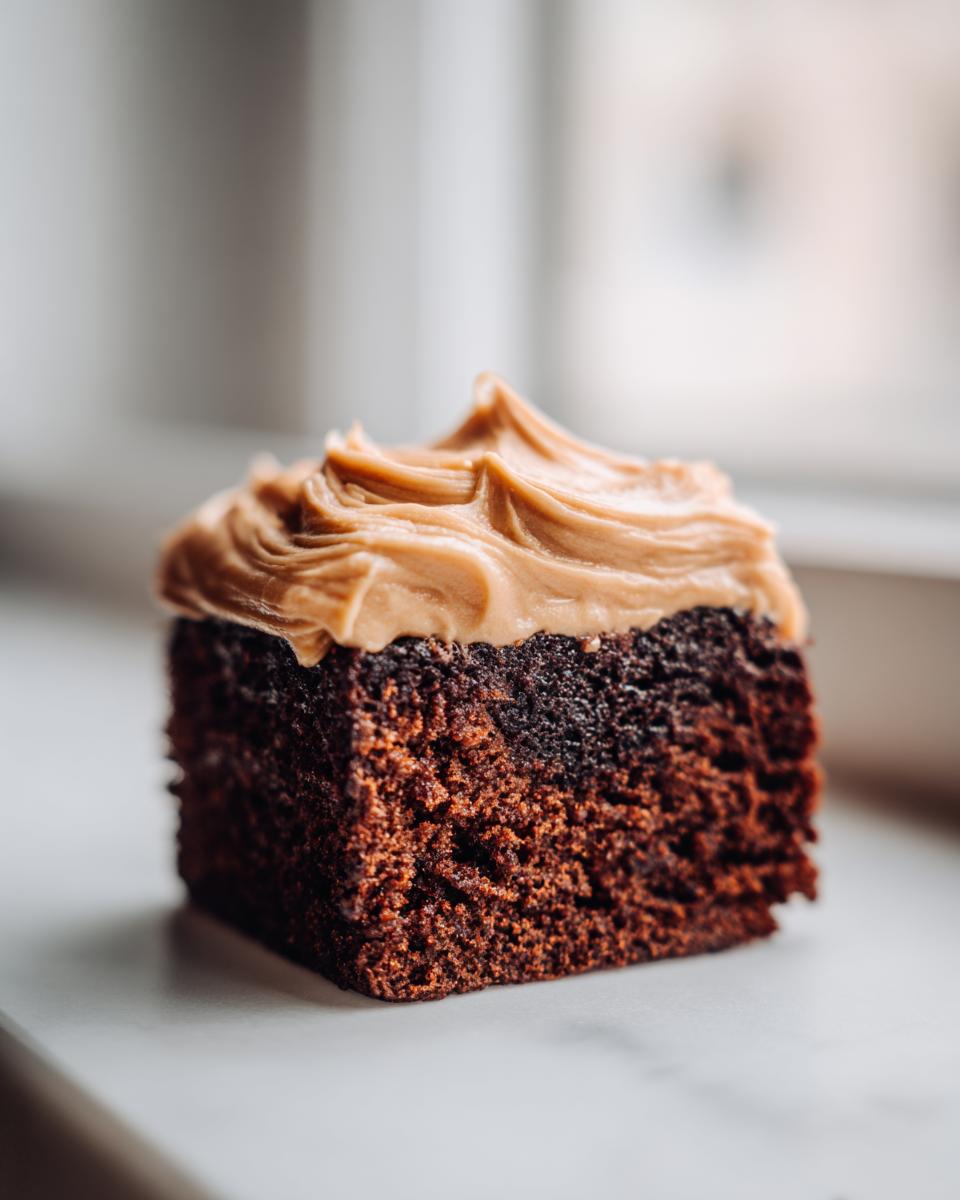
If you’re aiming for that deep, authentic flavor—what I consider a truly old fashioned gingerbread experience—it means having a few tricks up my sleeve beyond just following the steps in the recipe. I learned the hard way that baking a gingerbread cake with stale spices results in something sad and brown, not warm and cozy. We want that aromatic blast when you cut a slice, right? I want you to never have a dry cake on your hands again, which is why these extra notes matter so much.
Ingredient Checks for Maximum Spice Flavor
The molasses is the absolute star here, so we have to talk about which one you grab off the shelf. I insisted on using unsulfured molasses for this recipe. Why? Blackstrap molasses is super strong and can have a slightly bitter, almost medicinal aftertaste that overpowers the other beautiful notes. Unsulfured gives you that deep, rich, caramelly sweetness that makes this a genuine molasses cake recipe staple. Also, go smell your spices! If your cinnamon or cloves have been sitting in the cupboard since last Thanksgiving, do yourself a favor and buy new ones. Fresh spices make the difference between a good Christmas spice cake and a showstopper.
Troubleshooting Your Gingerbread Sheet Cake
If your cake comes out looking a little sad—maybe sunken in the middle or slightly tough—I can almost guarantee you overworked the gluten. When you’re combining the wet and dry ingredients, whether you’re making a sheet cake or layer cakes, you need to stop mixing the second the flour disappears. If you keep beating it once the flour is incorporated, you develop gluten, which means you’re pushing it toward bread texture instead of tender cake! Seriously, when I started, I almost ruined a batch by trying to get every last streak out, and my dad had to gently tell me: “Aria, stop fussing, that’s enough mixing!” Remember the creaming method we used earlier? That’s where the light texture comes from, but gentle mixing after that stage keeps it light.
If you want more ideas on keeping your baking tender and soft, you absolutely have to check out my post on the best soft and chewy snickerdoodles—the principles of gentle mixing apply there too!
Variations on This Classic Gingerbread Cake
I love that this recipe works so well as a simple sheet cake, but let’s be real—sometimes you need something a little more dramatic for a party! The beauty of this gingerbread cake batter is that it’s incredibly versatile. We aren’t just stuck with the 9×13 pan, thank goodness. Whether you want to dress it up for a fancy dinner or simplify it for an afternoon snack, we have options.
If you’re looking for something a little more dense and chewy, you might want to check out my recipe for gingerbread brownies later! But for this light cake, here are a couple of ways I adapt it.
Transforming into a Gingerbread Layer Cake
If you’re hosting a holiday event and need something that can handle a tall stack, go ahead and divide that batter equally between two greased and floured 8-inch round pans. Since the heat hits the cake from both the top and the bottom surface area more evenly, you might find the bake time shortens just a touch, maybe around 30 minutes. Make sure you don’t skip lining the bottoms with parchment paper! That extra insurance guarantees they release cleanly, giving you perfect, level layers to stack and frost.
Alternative Frosting Ideas for Your Molasses Cake Recipe
While I can’t stop talking about how good the brown butter cream cheese frosting is (it brings that nutty warmth, you know?), sometimes you just want something lighter or quicker. If you want to keep this cake super simple, forget the mixer entirely! You can whip up a simple citrus glaze. Just whisk powdered sugar with a tablespoon or two of fresh orange juice until it’s drizzly but opaque. It sets up beautifully and gives it a nice bright contrast to the heavy spice of the molasses cake recipe.
Another fantastic option, especially if you’re serving it warm after dinner, is just a dollop of lightly sweetened, stabilized whipped cream. It’s easy, light, and lets the spice of the cake do all the heavy lifting!
Serving Suggestions for This Winter Dessert Idea
This gingerbread cake is so rich and bold on its own, but deciding what to serve it with is half the fun! Since this is truly one of the best winter dessert ideas to come out of my kitchen, I always like to pair it with something creamy or something warm to balance those intense spices. You don’t need a ton of fuss here; the cake is the star, after all.
If I’m serving it after a big family dinner, I love keeping the accompaniments simple. A side of vanilla bean ice cream melting slowly over a warm slice is pure heaven, especially with that thick frosting. The cold creaminess is just the counterpoint the heavy spice needs.
However, for a truly cozy, fireside vibe, it pairs magnificently with a hot beverage. Forget standard coffee; try serving this cake alongside a big mug of my creamy white hot chocolate. That light vanilla and sweet cream cuts through the molasses perfectly, warming you up from the inside out.
If you served this as a simple slice on a platter, a little drizzle of salted caramel sauce over the top adds a beautiful, glossy finish and another layer of complex sweetness. It looks fancy, but it takes literally thirty seconds to make—my kind of elegance!
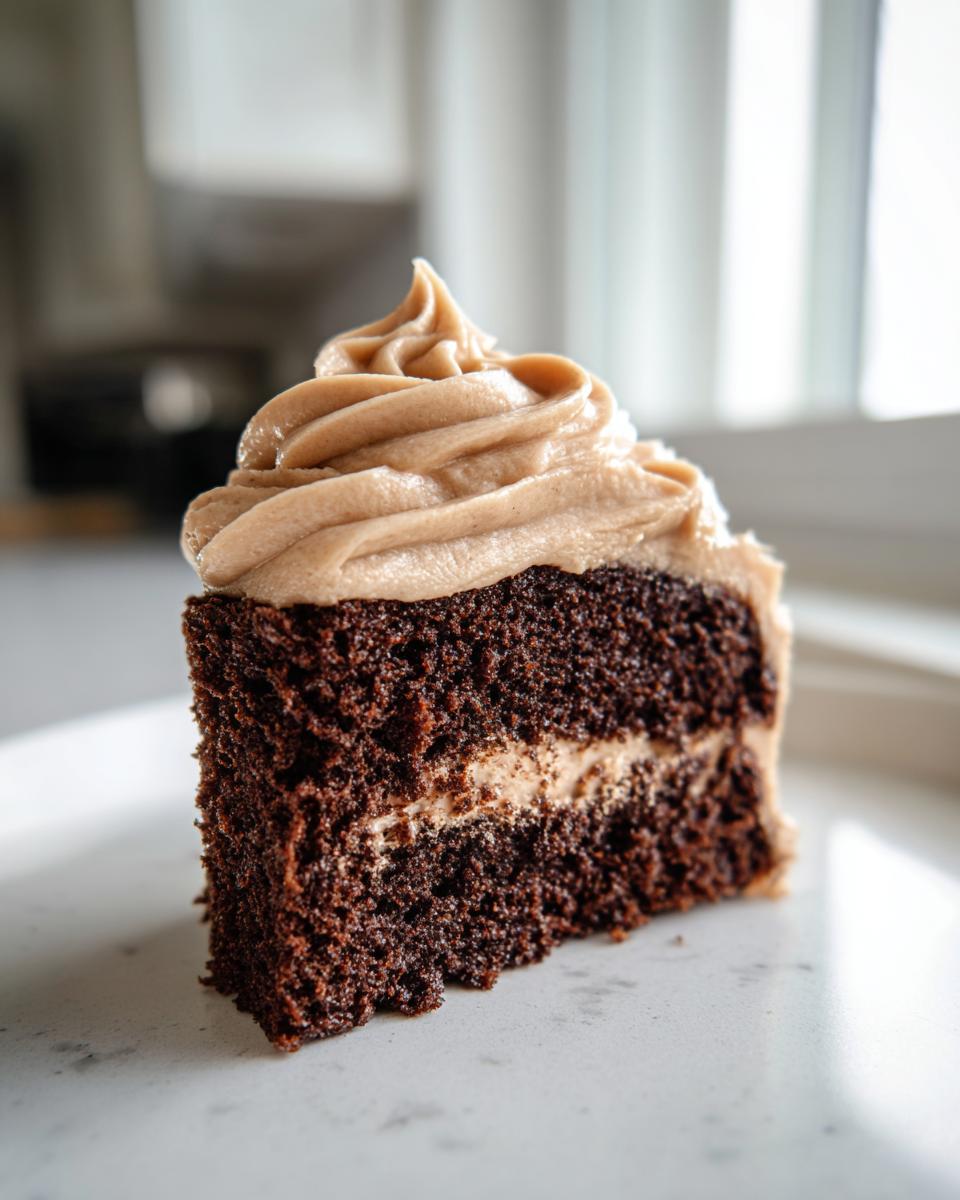
Storage and Reheating Instructions for Gingerbread Cake
You’ve made the best gingerbread cake ever, and now you have leftovers—which is a delicious problem to have! Molasses cakes, thank goodness, tend to hold onto moisture beautifully, but we still need to store them correctly, especially once that luscious brown butter cream cheese frosting is involved. I always tell everyone: how you store it is just as important as how you bake it if you want it to taste just as good tomorrow.
If you happen to have extra and are thinking about canning or preserving it, honestly, you’re better off making a batch of easy homemade raspberry jam instead! Cake is best enjoyed fresh, even if it’s only a day old.
Keeping Your Gingerbread Cake Moist at Room Temperature
If you haven’t frosted it yet, you can actually keep this cake wrapped tightly in plastic wrap at room temperature for up to three days. The high content of molasses and sugar acts as a natural preservative, keeping things nice and moist. This is perfect if you’re baking ahead for holiday events.
Now, once you add that rich cream cheese frosting, things change. Dairy means refrigeration is a must! Cover the frosted cake loosely with a large cake dome, or just tent it gently with foil or plastic wrap, making sure the wrap isn’t sticking directly to the frosting swirls. It should be fine in the fridge for about four days. Just try not to crowd it near the back of the fridge where it might dry out slightly.
Bringing That Winter Spice Back to Life
Cold cake just doesn’t have the same flavor impact, you know? The cold mutes the spices! So, if you’ve been storing your moist gingerbread cake in the fridge, always let it sit out on the counter for at least an hour before serving. This brings the fat in both the cake and the frosting back to room temperature, making it soft and creamy again.
If you need to serve a slice quickly, you can zap an individual piece in the microwave for about 10 to 15 seconds on medium power. High heat will turn it rubbery, so go gentle! You just want to warm it enough to soften the frosting slightly and wake up all those wonderful cinnamon and clove aromas.
Freezing Leftover Gingerbread Cake
Yes, you can freeze this cake! If you know you won’t finish it within four days, this is your best bet for preserving that homemade goodness. For the neatest result, I highly suggest freezing the cake *without* the frosting. Wrap the cooled, unfrosted cake tightly in a double layer of plastic wrap, and then wrap that whole thing in a layer of foil. It’ll keep beautifully for about two months. When you’re ready to eat it, let it thaw slowly overnight in the fridge, and then you can whip up a quick fresh batch of frosting or just serve it plain!
Frequently Asked Questions About Making Gingerbread Cake
I know when I dive into a new baking project, especially one that needs to be perfect for the holidays, my head fills up with little questions. We want this to be the *best*! So, let’s tackle the last few stumbling blocks about perfecting this Christmas spice cake and making sure your batch handles beautifully. If you’ve mastered this recipe, you might want to try my easy honey garlic chicken thighs next!
Can I substitute the molasses in this gingerbread cake?
This is a big one because molasses is the soul of the flavor! I really, really prefer using unsulfured molasses because it’s richer and less sharp than blackstrap. If you absolutely must substitute it—maybe you ran out halfway through mixing—you can swap about half of the required molasses with pure maple syrup. But please know, the flavor profile will shift slightly. Maple syrup is sweeter and lighter, so you’ll lose that deep, almost smoky background note that makes this a classic gingerbread cake.
How do I make this recipe without buttermilk?
Don’t panic if your fridge is empty of buttermilk! This is one of the easiest fixes in the kitchen, and it keeps this recipe an easy gingerbread recipe even if you need to run to the store for one item. Just take one cup of regular whole milk—and I recommend whole milk for the fat content—and stir in one teaspoon of white vinegar or fresh lemon juice. Let that mixture sit on the counter undisturbed for about five to ten minutes. You’ll see it start to curl up a bit; that means it’s soured enough to activate the baking soda perfectly. Measure out your half-cup, and you’re back in business!
Is this gingerbread cake suitable for freezing?
Absolutely, this is one of the perks of a sturdy, moist cake like this! However, how you wrap it depends on the frosting situation. If you plan to freeze it for a few weeks before frosting, wrap the cooled, unfrosted layers or sheet cake tightly in plastic wrap first, then wrap it again in aluminum foil. It stays great for two months this way. If you freeze it frosted, make sure the frosting is firm (pop it in the fridge for 30 minutes first). Then, wrap it very gently in plastic—be careful not to press the wrapping into the frosting swirls—then foil. Let it thaw slowly in the fridge before bringing it out to room temperature!
Understanding the Nutrition of This Gingerbread Cake
Now, I’m Aria, not a dietician, so please take these numbers with a giant grain of salt—literally, maybe a tiny sprinkle more, depending on your frosting skills! Knowing what’s in the food you serve your family is important for completeness, and I always want to be totally transparent about what goes into my recipes here at Cooking Zenith. These figures are estimates for one slice of the frosted cake, based on standard ingredient measurements. If you’ve added extra spice or decided to layer it high, these numbers might shift a bit!
But hey, if you’re busy baking, you can always check out some lighter fare later, like my easy breakfast recipes once the holiday rush is over. For now, let’s look at what makes this decadent slice tick!
- Serving Size: 1 slice
- Calories: 420
- Sugar: 55g (This is where those lovely molasses and powdered sugar sit!)
- Sodium: 310mg
- Fat: 20g
- Saturated Fat: 12g
- Unsaturated Fat: 8g
- Trans Fat: 0.5g
- Carbohydrates: 60g
- Fiber: 1g
- Protein: 4g
- Cholesterol: 65mg
Just remember, this is a treat, a deeply satisfying winter dessert that’s meant to be savored during cozy baking moments. We use real butter and rich molasses, so we expect it to be hearty! The most important measurement in this entire nutrition panel is the 100% joy you get from eating that first bite of moist gingerbread cake.
PrintUltra Moist Gingerbread Cake with Brown Butter Cream Cheese Frosting
You make this ultra moist gingerbread cake from scratch for a deep, warm spice flavor perfect for holiday baking. The simple cake pairs beautifully with a rich brown butter cream cheese frosting for an elevated winter dessert.
- Prep Time: 20 min
- Cook Time: 35 min
- Total Time: 55 min
- Yield: 12 servings 1x
- Category: Dessert
- Method: Baking
- Cuisine: American
- Diet: Vegetarian
Ingredients
- 1 3/4 cups all-purpose flour
- 1 teaspoon baking soda
- 1 teaspoon ground cinnamon
- 1/2 teaspoon ground ginger
- 1/2 teaspoon ground cloves
- 1/4 teaspoon ground nutmeg
- 1/2 teaspoon salt
- 1/2 cup (1 stick) unsalted butter, softened
- 1/2 cup granulated sugar
- 1 large egg
- 1 cup unsulfured molasses
- 1/2 cup boiling water
- 1/2 cup buttermilk
- For the Frosting: 1/2 cup (1 stick) unsalted butter, browned
- 8 ounces cream cheese, softened
- 3 cups powdered sugar, sifted
- 1 teaspoon vanilla extract
- 1/4 teaspoon salt
Instructions
- Preheat your oven to 350°F (175°C). Grease and flour a 9×13 inch baking pan or two 8-inch round cake pans.
- In a medium bowl, whisk together the flour, baking soda, cinnamon, ginger, cloves, nutmeg, and salt. Set this dry mixture aside.
- In a large bowl, cream the softened butter and granulated sugar together until light and fluffy. Beat in the egg until just combined.
- Add the molasses to the butter mixture and mix well.
- In a separate small bowl, whisk together the boiling water and buttermilk.
- Alternate adding the dry ingredients and the buttermilk mixture to the wet ingredients, beginning and ending with the dry ingredients. Mix only until just combined after each addition. Do not overmix.
- Gently fold in the boiling water last. The batter will be thin.
- Pour the batter evenly into your prepared pan(s).
- Bake for 30 to 35 minutes for a sheet cake, or 30 to 38 minutes for layer cakes, or until a toothpick inserted into the center comes out clean.
- Let the cake cool completely on a wire rack before frosting.
- To make the frosting, brown the butter: melt the 1/2 cup of butter in a light-colored skillet over medium heat, swirling constantly until brown bits form at the bottom and it smells nutty. Immediately pour the browned butter into a heatproof bowl and let it cool to room temperature.
- In a large bowl, beat the softened cream cheese until smooth. Beat in the cooled browned butter and vanilla extract.
- Gradually add the sifted powdered sugar and salt, beating until the frosting is smooth and creamy. Add more powdered sugar if you prefer a stiffer frosting.
- Spread the brown butter cream cheese frosting evenly over the cooled gingerbread cake. Slice and serve this cozy baking recipe.
Notes
- For an old fashioned gingerbread flavor, ensure you use unsulfured molasses, which has a deeper, less sharp taste than blackstrap.
- If you do not have buttermilk, mix 1/2 cup of whole milk with 1/2 teaspoon of white vinegar or lemon juice and let it sit for 5 minutes before using.
- You can bake this as a gingerbread sheet cake for an easy Christmas dessert.
Nutrition
- Serving Size: 1 slice
- Calories: 420
- Sugar: 55g
- Sodium: 310mg
- Fat: 20g
- Saturated Fat: 12g
- Unsaturated Fat: 8g
- Trans Fat: 0.5g
- Carbohydrates: 60g
- Fiber: 1g
- Protein: 4g
- Cholesterol: 65mg