

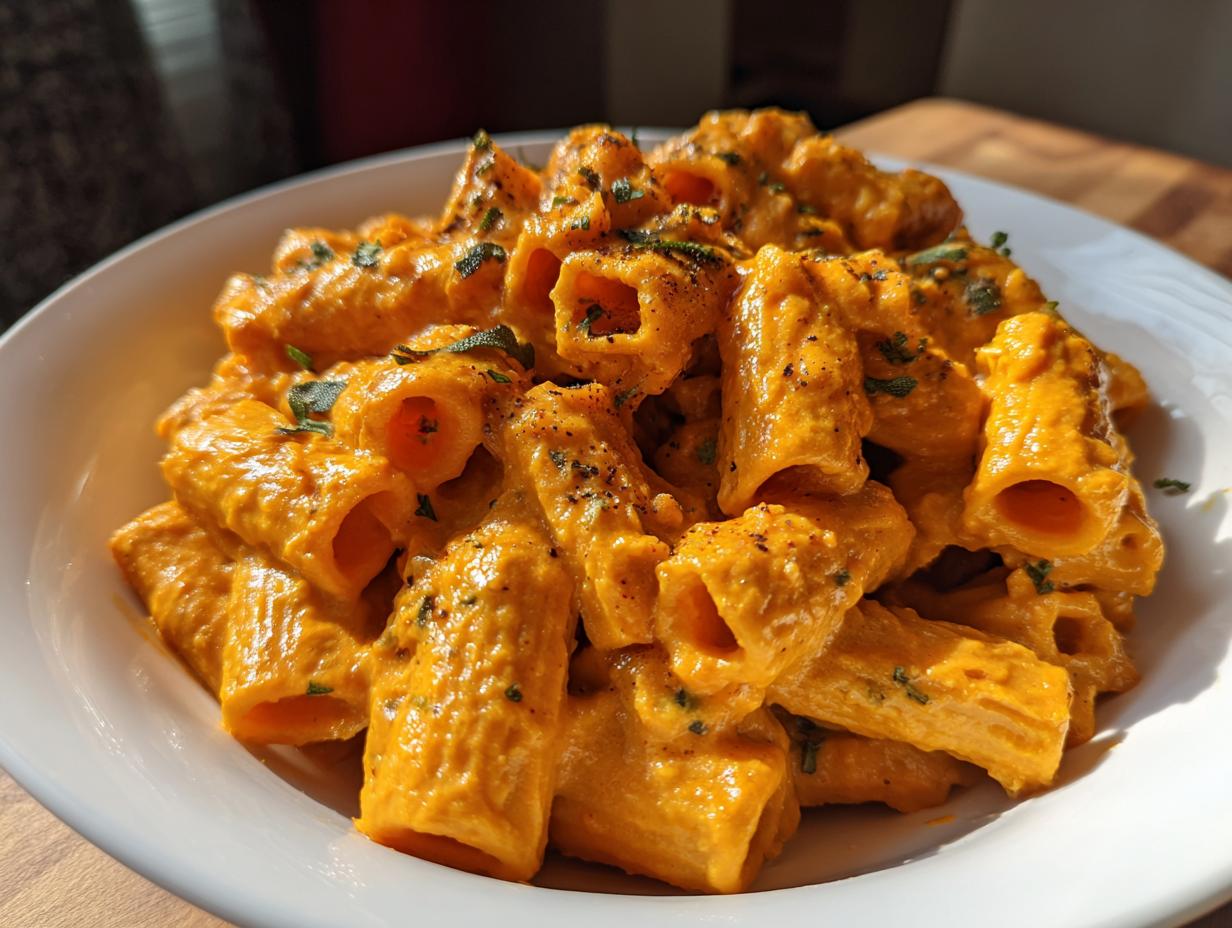
When the air gets crisp and you start craving something substantial that still feels elegant, there’s nothing better than a truly comforting pasta dish. We get so focused on heavy meat sauces, but I want you to discover one of the most amazing flavor transformations you can make this season. That’s where the ultimate butternut squash pasta sauce comes in. It sounds fancy, sure, but trust me, I developed this recipe right in my own kitchen because I wanted a way to sneak in vegetables without anyone noticing, while still achieving that deep, satisfying flavor we all look for in fall pasta recipes. It’s about taking a humble squash and turning it into something incredibly special. Get ready to elevate your Tuesday night dinner; this sauce is pure magic! If you’re looking for other tasty fall appetizers to go with this, check out my recipe for pumpkin cheese ball.
- Why This Roasted Butternut Squash Pasta Sauce is Your New Favorite
- Gathering Ingredients for Your Butternut Squash Pasta Sauce
- Step-by-Step Guide to Making Butternut Squash Pasta Sauce
- Tips for the Best Creamy Butternut Squash Sauce
- Pairing Your Butternut Squash Pasta Sauce with Herbs and Spices
- Storage and Reheating Your Butternut Squash Pasta Sauce
- Serving Suggestions for This Seasonal Vegetable Pasta
- Frequently Asked Questions About Butternut Squash Pasta Sauce
- Estimated Nutrition for This Butternut Squash Pasta Sauce
Why This Roasted Butternut Squash Pasta Sauce is Your New Favorite
I know you’re busy, so I wouldn’t even bother sharing this if it wasn’t worth the effort. This butternut squash pasta sauce has become my go-to for a reason! It hits every mark when you need a cozy, filling meal that still feels light and good for you. You’ll want to bookmark this one immediately.
- It’s secretly packed with vegetables, making it one of the healthiest pasta sauces out there.
- It uses roasting to develop a deep, naturally sweet squash flavor.
- The texture ends up being richer than most heavy cream sauces.
- It comes together in under an hour, which is perfect for busy evenings.
- This is truly one of the best autumn vegetarian dinner options!
Achieving That Velvety Squash Sauce Texture
The secret to getting that signature silky mouthfeel is simple: roasting versus boiling. When you roast the squash first, it caramelizes slightly, which deepens the flavor profile before blending. Then, you use a good blender—don’t be shy with the blending time! That extra minute ensures you get that gorgeously velvety squash sauce texture that coats every piece of pasta perfectly.
Simple Weeknight Pasta Preparation
Don’t let the roasting scare you off; about 30 minutes of that is hands-off time while you sauté your aromatics. Honestly, the whole process for this simple weeknight pasta dish clocks in at just around 50 minutes total! You just roast, sauté, blend, and toss. It’s hard to beat that turnaround time for such an elegant comfort food pasta.
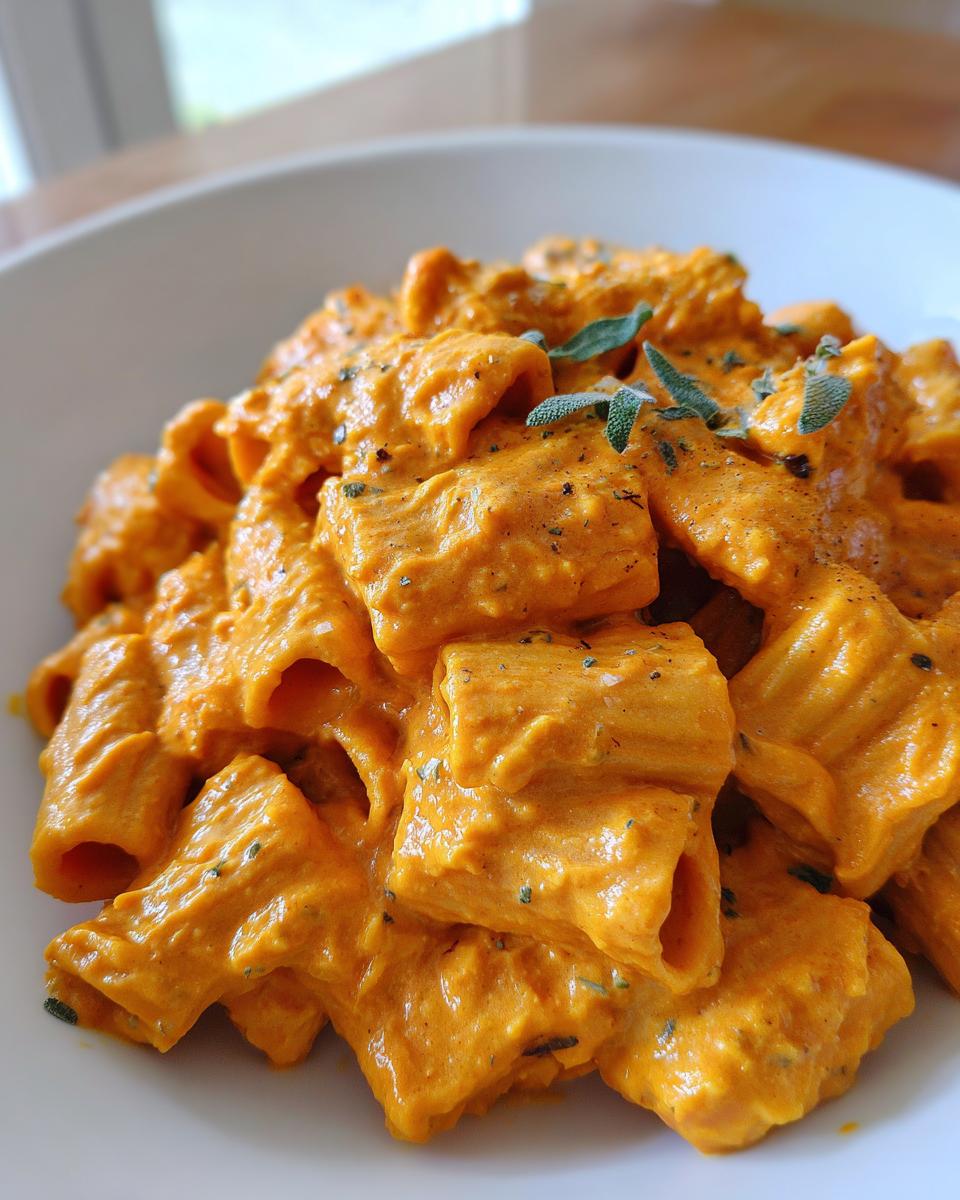
Gathering Ingredients for Your Butternut Squash Pasta Sauce
Alright, let’s talk about what you need to pull this beautiful meal together. I’ve kept the list straightforward because once you have those core ingredients, the flavor just builds itself. Make sure you measure accurately here, especially when it comes to the spices, because that nutmeg and sage combo is what makes this sauce sing.
Here’s what you’ll need for four servings of this incredible roasted butternut squash pasta:
- 1 medium butternut squash (aim for one about 3 lbs), peeled, seeded, and cubed up for roasting.
- 2 tablespoons olive oil, split into two parts.
- 1 medium yellow onion, chopped—the base of all good flavor!
- 4 cloves garlic, minced fine—use four, trust me on the garlic!
- 1 teaspoon fresh sage, chopped (or you can use 1/2 teaspoon of dried if that’s what you have on hand).
- 1/2 teaspoon salt and 1/4 teaspoon black pepper.
- 1/4 teaspoon nutmeg—this is the warmth you want.
- 1 cup vegetable broth (or chicken broth if you aren’t keeping it vegetarian).
- 1/2 cup heavy cream.
- 1/4 cup grated Parmesan cheese (we’ll talk about that in a second!).
- 1 pound pasta—I always grab rigatoni or penne because they hug this sauce so well.
Ingredient Notes and Dairy-Free Variations
When making your butternut squash puree sauce, you have options! My recipe calls for conventional dairy, but it’s fantastic for folks looking for dairy free pasta sauce too. If you’re making a vegan butternut squash pasta, swap the heavy cream for an equal amount of rich, full-fat canned coconut milk. That coconut milk makes the sauce unbelievably silky. You’ll just need to skip the Parmesan cheese entirely, but honestly, it’s still spectacular! If you’re looking for another creamy pasta idea to try later, check out my creamy lemon parmesan orzo pasta recipe.
Step-by-Step Guide to Making Butternut Squash Pasta Sauce
Okay, let’s get into the actual cooking rhythm! Making this incredible butternut squash pasta sauce is all about layering flavors, and the roasting step is non-negotiable for that deep, cozy taste. Follow these steps closely, and you’ll have a restaurant-quality vegetarian dinner ready before you know it. Don’t rush the blend! That smooth texture is everything when it comes to comfort food.
Roasting the Squash for Deep Flavor
First things first, get the oven cranked up high to 400°F (200°C). Don’t just plop the squash on the tray; toss those cubes really well with 1 tablespoon of olive oil, salt, and pepper. We want caramelization here! Roast them for about 25 to 30 minutes until they are tender and you see those lovely browned, slightly sweet edges. This initial roasting is what elevates this from basic squash to amazing roasted butternut squash pasta.
Blending for the Perfect Butternut Squash Puree Sauce
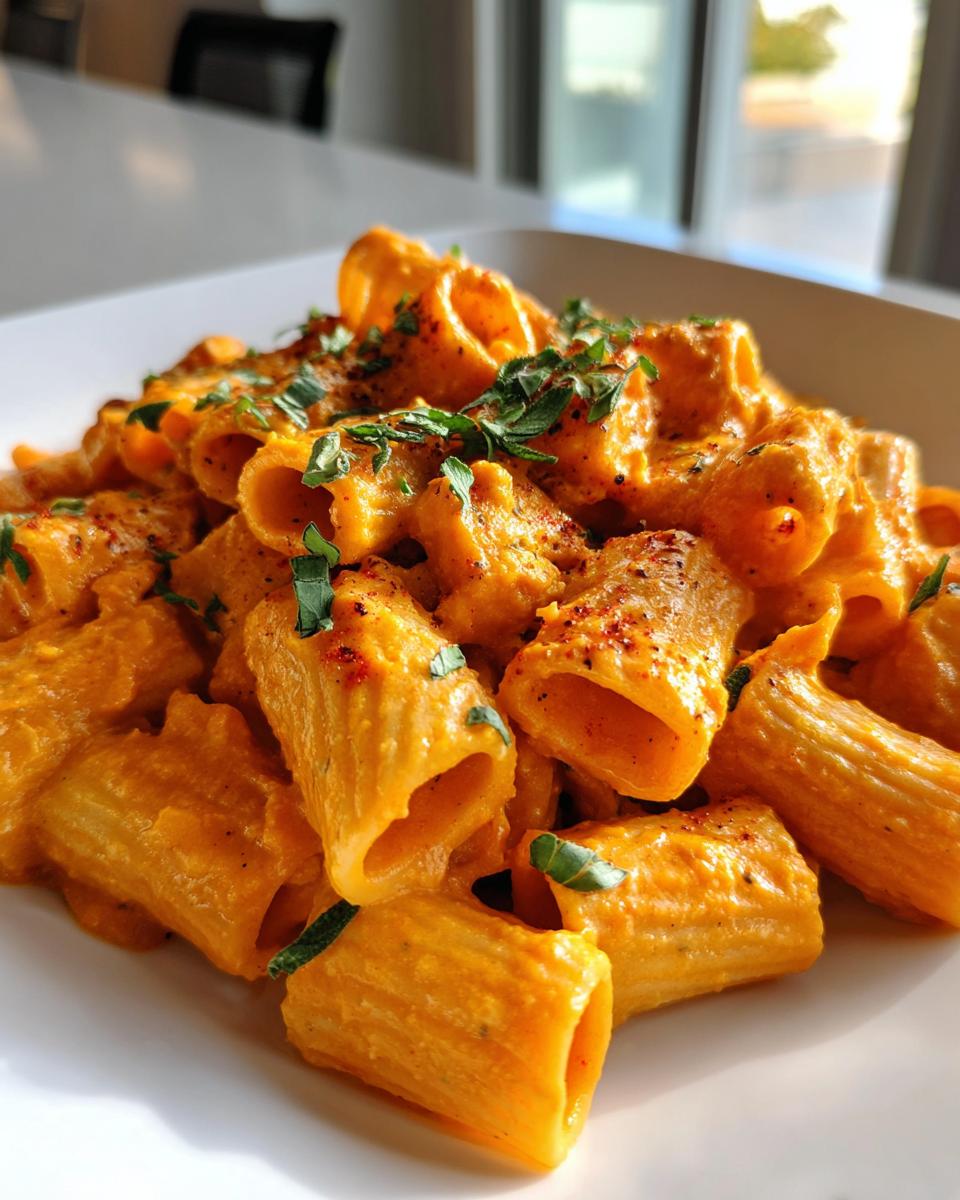
While the flavor base is sautéing on the stove—that’s your onion, garlic, and sage—get ready for the magic moment. Once the squash is soft, transfer it along with the broth and spices into your blender. Now, this is important: you have to run the blender until it’s utterly smooth—I mean, *truly* velvety. This action turns everything into that luscious butternut squash puree sauce. If your blender is struggling, let the ingredients cool down just a touch first! If you want more delicious squash recipes, you should check out my roasted butternut squash soup.
Tips for the Best Creamy Butternut Squash Sauce
Getting that perfect, rich sauce texture takes just a few little tricks. We aren’t just throwing ingredients in a pot here; we’re building layers! The biggest issue people run into when making a creamy butternut squash sauce is it ending up too thick or, conversely, too watery after it sits for five minutes. Remember that starchy pasta water we saved? That’s your secret weapon! If the sauce seems stiff after you toss it with the noodles, add a splash of that reserved water. It emulsifies beautifully and keeps the dish luscious. If you’re looking for other creamy sauce inspiration after this one, you absolutely have to check out my homemade alfredo sauce recipe.
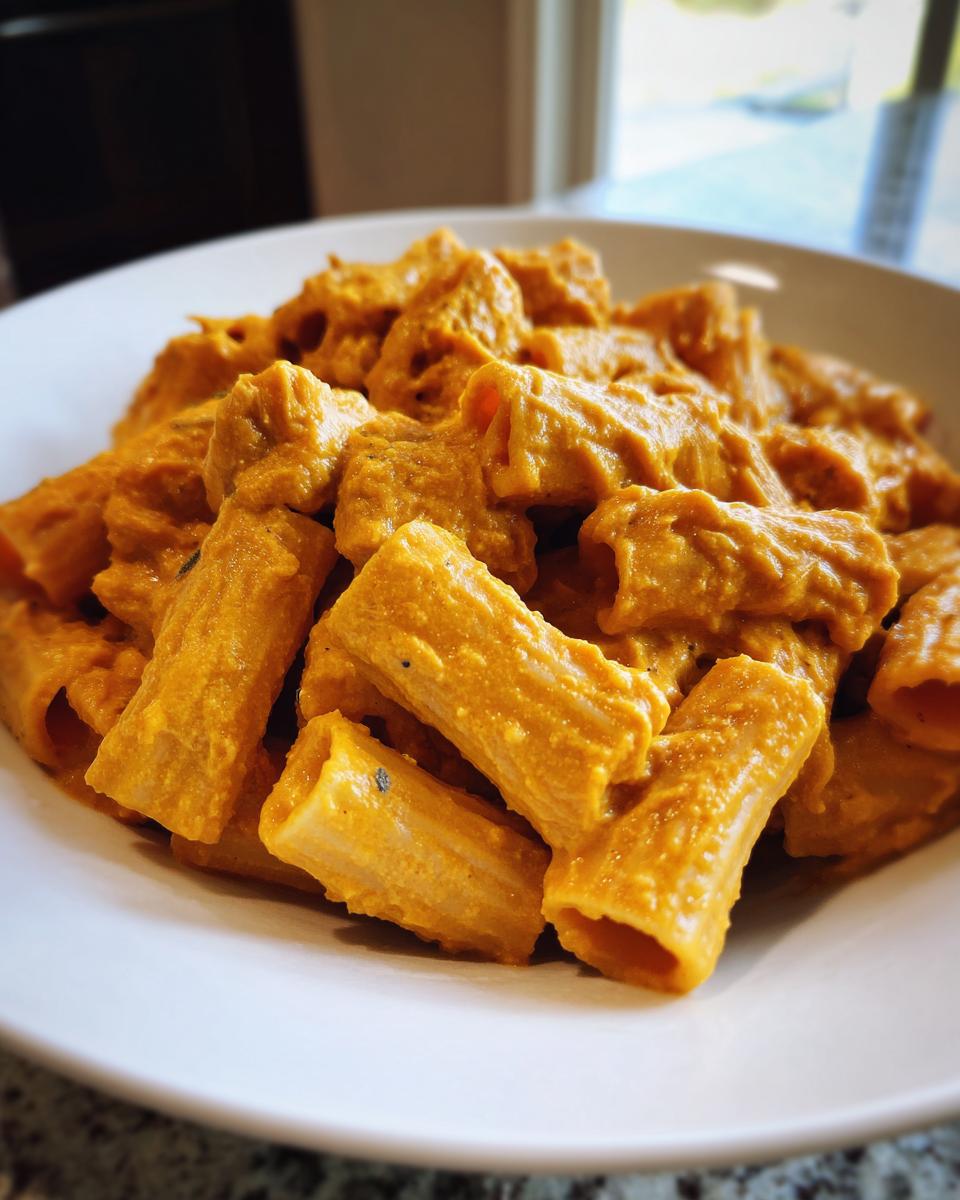
Also, taste as you go! I always find I need a little more salt than I initially think, especially when using low-sodium broth. Don’t be afraid to adjust based on the sweetness of your particular squash. This sauce tastes amazing on its own, but it loves company!
Incorporating Autumn Vegetarian Dinner Flavors
The pairing of sage and nutmeg is really what screams “fall” in this sauce. It complements the natural sweetness of the squash perfectly, creating that wonderful autumn vegetarian dinner profile we are aiming for. If you’re feeling bold, try adding a pinch of ground cloves with the nutmeg, or even stir in some toasted, chopped pecans right before serving for a textural crunch.
Pairing Your Butternut Squash Pasta Sauce with Herbs and Spices
You know, sometimes the simplest additions make the biggest impact, and that’s definitely true for this sauce. We talked about fresh sage, but let’s really celebrate those aromatic highlights! The goal here is to create a deep, savory base that cuts through the squash’s inherent sweetness. That little bit of garlic sautéed before the squash goes in builds the foundation for an amazing sage butternut squash recipe.
And don’t sleep on the nutmeg! People often think nutmeg belongs only in sweet baking, but when used sparingly, its warmth in this sauce balances everything beautifully, making it truly feel like that cozy winter meal you’ve been dreaming about. It just marries perfectly with the squash. For another simple, flavorful side dish idea that uses similar warm flavors, you might enjoy my roasted carrots with honey garlic butter.
Storage and Reheating Your Butternut Squash Pasta Sauce
Listen, I always make a double batch because leftovers are the best! You can totally store extra butternut squash pasta sauce, and it tastes phenomenal the next day. Keep it sealed tight in an airtight container—I prefer glass if you have it—in the fridge for up to four days comfortably. When you reheat it, I really want you to use low, gentle heat on the stovetop. If it seems a little stiff after chilling, just whisk in a tiny drizzle of vegetable broth or even just plain water until it gets back to that gorgeous, pourable consistency. This keeps it tasting fresh. If you need sauce inspiration for different meals, check out my guide on easy homemade teriyaki sauce; sometimes that leftover sauce needs a shake-up!
Serving Suggestions for This Seasonal Vegetable Pasta
So, you’ve got the most heavenly butternut squash pasta sauce staring back at you—now what? If you haven’t already grabbed rigatoni or penne, you totally should! Those shapes are designed to catch every bit of that creamy deliciousness. For a complete and satisfying seasonal vegetable pasta meal, I serve this with the simplest things. A lightly dressed arugula salad with a lemon vinaigrette is just perfect to cut the richness. Or, honestly, you can’t beat tearing off a piece of fresh, warm bread—maybe my homemade naan—for dipping!
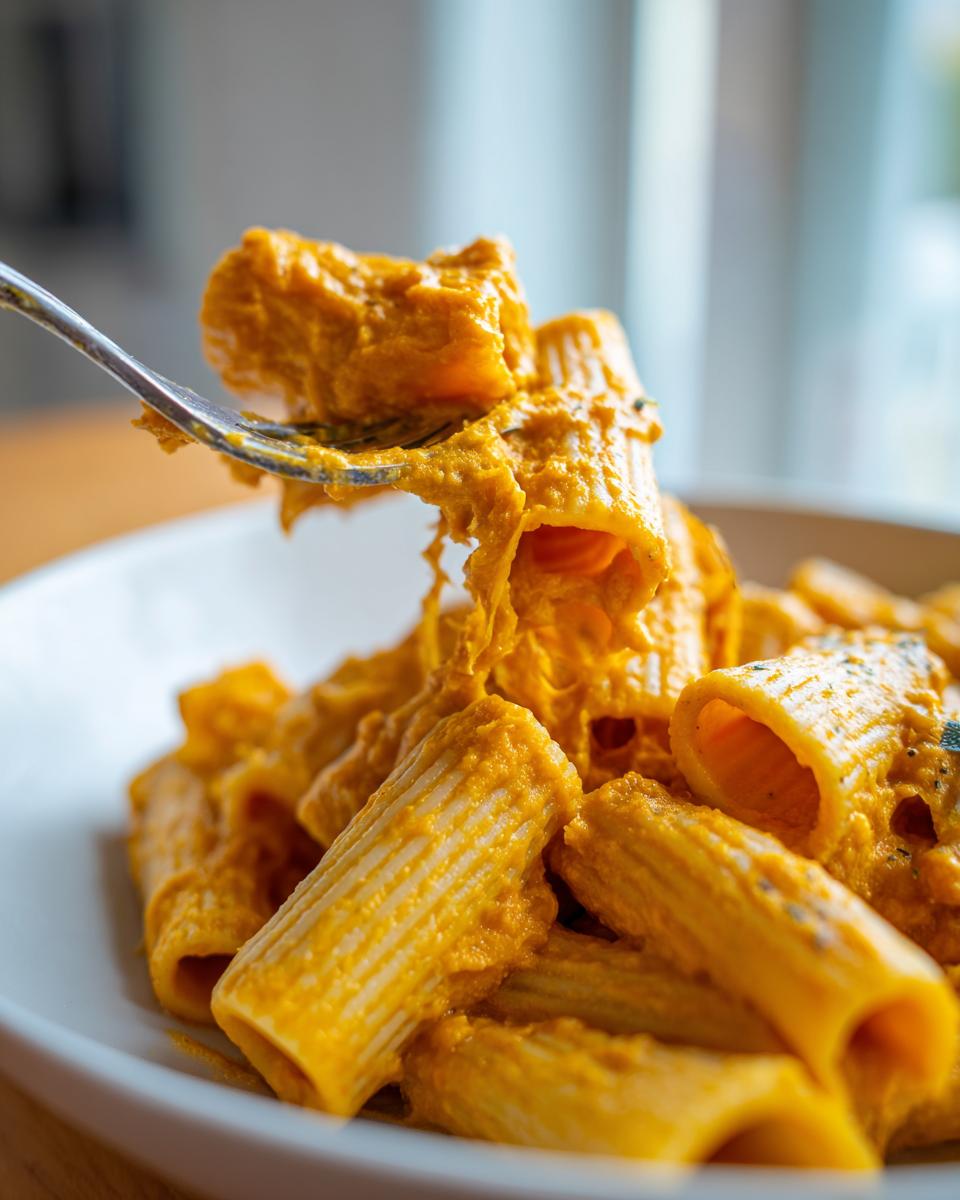
If you want to see another delicious preparation using a similar profile, check out the amazing butternut squash pasta sauce recipe linked here. It’s always fun to see how other cooks interpret these classics!
Frequently Asked Questions About Butternut Squash Pasta Sauce
I always get asked a few things when people try this recipe for the first time, usually over email or when I’m chatting in the kitchen! It’s normal to have questions, especially when adapting a recipe, so I gathered the most common ones right here. Hopefully, this helps you feel super confident when you whip up this cozy favorite. If you are looking for more ideas to streamline your cooking, I have a whole post dedicated to simple weeknight dinners you might enjoy!
Can I make a vegan butternut squash pasta using this recipe?
Absolutely, you can! The beauty of this butternut squash pasta sauce base is that it thrives on vegetable broth. As I mentioned in the notes, you just swap out the heavy cream for full-fat canned coconut milk—it adds necessary fat and richness. Then, you simply skip the Parmesan cheese. It’s so flavorful that you truly won’t miss the dairy, resulting in a stunning vegan butternut squash pasta.
How do I ensure my sauce is a quick creamy sauce for pasta?
The trick here isn’t just the blend; it’s the liquid you use at the very end. After you toss the sauce with the drained pasta, you *must* ladle in some of that reserved starchy pasta water. That starchy binder creates the perfect emulsion with the squash puree and cream, turning it instantly into a luxurious, quick creamy sauce for pasta that sticks perfectly rather than sliding off the noodles. Don’t skip saving that water!
Is roasting the squash really necessary for this recipe?
While the recipe notes mention you can use frozen squash if you’re really desperate for time, I always, always recommend roasting fresh squash. Roasting creates those caramelized edges, giving the sauce a depth of flavor that boiling or steaming just can’t achieve. That little bit of extra time makes the difference between a good sauce and an absolutely incredible, natural vegetable sauce.
What other pasta shapes work well besides rigatoni and penne?
Since this sauce is rich and thick, you want something that can cradle it. Any short, tubular, or spiral pasta is brilliant! Think farfalle (bow-ties) or rotini. They capture the sauce beautifully in their crevices, ensuring you get that sweet squash flavor in every single bite.
Estimated Nutrition for This Butternut Squash Pasta Sauce
Now, while I’m all about intuition in the kitchen, I know a lot of you like knowing the numbers, too! This nutritional data is an estimate for one serving, assuming you use the standard ingredients listed (including the heavy cream and Parmesan). Remember, if you opt for the dairy-free coconut milk swap, those numbers might shift a little. It’s always an estimate, but it shows you this is a surprisingly balanced meal, which is why I love it for my quick healthy lunch ideas rotation!
- Calories: 450
- Fat: 18g
- Carbohydrates: 60g
- Protein: 15g
- Fiber: 8g
Creamy Roasted Butternut Squash Pasta Sauce
Create a velvety, flavorful pasta sauce using roasted butternut squash. This recipe is simple, vegetarian, and perfect for cozy autumn or weeknight dinners.
- Prep Time: 15 min
- Cook Time: 35 min
- Total Time: 50 min
- Yield: 4 servings 1x
- Category: Dinner
- Method: Roasting and Blending
- Cuisine: American
- Diet: Vegetarian
Ingredients
- 1 medium butternut squash (about 3 lbs), peeled, seeded, and cubed
- 2 tablespoons olive oil
- 1 medium yellow onion, chopped
- 4 cloves garlic, minced
- 1 teaspoon fresh sage, chopped (or 1/2 teaspoon dried)
- 1/2 teaspoon salt
- 1/4 teaspoon black pepper
- 1/4 teaspoon nutmeg
- 1 cup vegetable broth (or chicken broth)
- 1/2 cup heavy cream (or full-fat coconut milk for dairy-free)
- 1/4 cup grated Parmesan cheese (optional, omit for vegan)
- 1 pound pasta (such as rigatoni or penne)
Instructions
- Preheat your oven to 400°F (200°C). Toss the cubed butternut squash with 1 tablespoon of olive oil, salt, and pepper on a baking sheet. Roast for 25 to 30 minutes, or until the squash is tender and lightly caramelized.
- While the squash roasts, heat the remaining 1 tablespoon of olive oil in a large saucepan over medium heat. Add the chopped onion and cook until soft, about 5 minutes.
- Add the minced garlic and chopped sage to the saucepan. Cook for 1 minute until fragrant.
- Transfer the roasted squash, onion mixture, vegetable broth, nutmeg, and remaining salt and pepper to a high-speed blender. Blend until the mixture is completely smooth and velvety. This creates your butternut squash puree sauce.
- Pour the smooth sauce back into the saucepan over low heat. Stir in the heavy cream (or coconut milk) and Parmesan cheese, if using. Heat gently until warmed through; do not boil.
- Cook your pasta according to package directions until al dente. Reserve about 1/2 cup of the starchy pasta water before draining.
- Add the drained pasta directly to the saucepan with the sauce. Toss to coat completely. Add reserved pasta water, a tablespoon at a time, until the sauce reaches your desired consistency.
- Serve immediately. This is a perfect seasonal vegetable pasta dish.
Notes
- For a dairy-free or vegan butternut squash pasta, substitute heavy cream with full-fat canned coconut milk and omit the Parmesan cheese.
- If you are short on time, you can use 3 cups of frozen, thawed butternut squash cubes instead of roasting a fresh one.
- This sauce pairs well with short pasta shapes like penne, rigatoni, or shells, as they hold the creamy sauce nicely.
Nutrition
- Serving Size: 1 serving (about 1.5 cups sauce + 4 oz pasta)
- Calories: 450
- Sugar: 9
- Sodium: 450
- Fat: 18
- Saturated Fat: 9
- Unsaturated Fat: 9
- Trans Fat: 0
- Carbohydrates: 60
- Fiber: 8
- Protein: 15
- Cholesterol: 30