

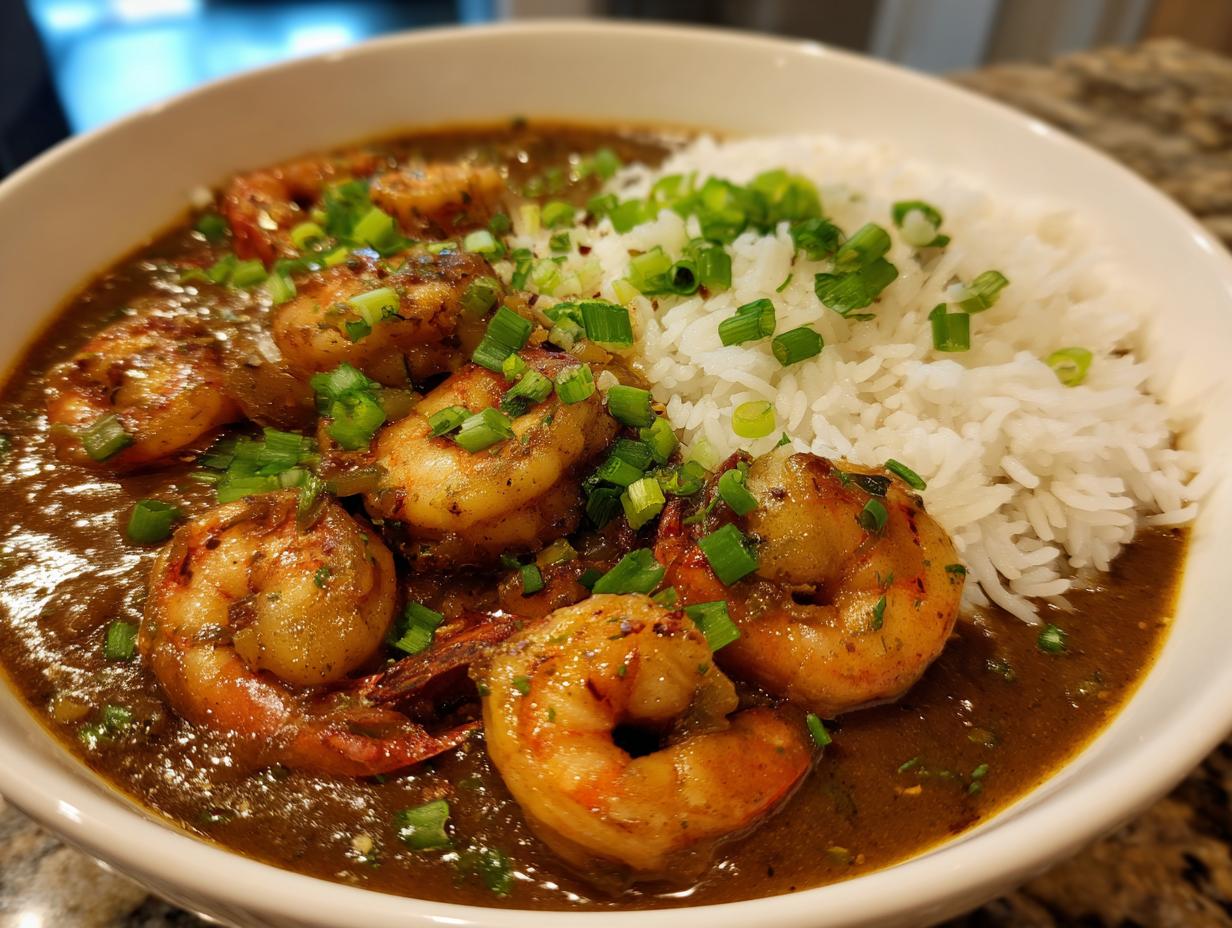
When that cold weather hits, or maybe I’m just dreaming of a big, loud family gathering down in Louisiana, nothing cures the soul quite like something rich, savory, and simmered low and slow. That’s where true New Orleans comfort comes in. I’m talking about the star of the bayou: our absolutely spot-on shrimp etouffee. I know regional dishes can seem intimidating, but trust me, after years of studying how the best chefs in the South build layers of flavor, I’ve cracked the code. My goal here is to take you step-by-step through making that perfect, dark roux—the absolute foundation—so you feel totally confident bringing this classic Cajun seafood dish to your table.
- Why This Is the Best Shrimp Etouffee Recipe You Will Make
- Essential Ingredients for Flavorful Shrimp Sauce
- How to Make Etouffee Roux: The Secret to Great Shrimp Etouffee
- Step-by-Step Instructions for Classic Shrimp Etouffee
- Tips for Success with Your Authentic Shrimp Etouffee Recipe
- Serving Suggestions for This Louisiana Inspired Dinners Dish
- Storage and Reheating Instructions for Leftover Shrimp Etouffee
- Frequently Asked Questions About Making Shrimp Etouffee
- Nutritional Estimates for This Classic Cajun Seafood Dish
Why This Is the Best Shrimp Etouffee Recipe You Will Make
When you pull a steaming bowl of this out of the kitchen, I guarantee you’ll feel like you’ve been transported straight to a cozy table in the French Quarter. This isn’t just another quick weeknight recipe; this turns into a truly classic Cajun seafood dish that delivers that deep, soulful experience of New Orleans comfort food right in your own home.
- You get the confidence of mastering the dark roux—that’s the trick everyone struggles with!
- We focus on creating an intensely flavorful shrimp sauce without needing days of prep work.
- The balance of savory spices means you don’t need heavy, overwhelming flavors. It just tastes *right*.
- Plus, I provide all the little techniques I picked up so you nail it on your very first try. I even have a great chicken recipe for comparing base flavors, but honestly, this étouffée stands alone!
Time Breakdown for Your Authentic Shrimp Etouffee
The beauty of this recipe is that while the roux takes patience, the actual active cooking time is quite reasonable for the flavor payoff. You’ll be eating in just over an hour!
- Prep Time: 15 minutes
- Cook Time: 50 minutes
- Yield: 4 generous servings
Essential Ingredients for Flavorful Shrimp Sauce
Listen, you could follow every step perfectly, but if you skimp on the core elements here, you won’t get that deep, rich, and truly flavorful shrimp sauce we’re aiming for. This recipe is about respecting the basics, especially that trinity of vegetables. I’ve listed everything you need in the ingredients chart, but let’s chat quickly about what really matters for that authentic taste. If you love rich sauce bases, you should also check out my super creamy Alfredo recipe for a different kind of comfort!
- 1/2 cup all-purpose flour and 1/2 cup vegetable oil (These are sacred for the roux!)
- 1 large yellow onion, chopped
- 1 green bell pepper, chopped
- 2 celery stalks, chopped (That’s our Holy Trinity!)
- 3 cloves garlic, minced
- 1 pound raw shrimp, peeled and deveined
- 1 (14.5 ounce) can diced tomatoes, undrained
- 2 cups shrimp or seafood stock
- 1 teaspoon dried thyme
- 1 teaspoon dried oregano
- 1/2 teaspoon cayenne pepper (Adjust this if you like it fire or mild!)
- 1 bay leaf
- Salt and black pepper to taste
- 1/4 cup chopped green onions, for garnish
- Cooked white rice, for serving
Ingredient Notes and Substitution Tips
I always insist on using shrimp or seafood stock if you can find it. It just permeates the sauce with that subtle ocean brine that makes the shrimp taste even better. It’s the difference between a good sauce and a great sauce! If you absolutely can’t find seafood stock? Don’t panic right away. You can use chicken stock. My instructions note that substituting chicken stock can give you a deeper Creole flavor profile, which works perfectly fine in a pinch if you’re digging for that richer base. But really, try the seafood stock for the purest Louisiana experience.
How to Make Etouffee Roux: The Secret to Great Shrimp Etouffee
Okay, deep breath. We’ve come to the moment that separates the good versions of this dish from the truly transcendent ones. I’m talking about the roux. If you want that authentic, deep, earthy base layer that screams New Orleans comfort food, you have to get the color right here. This process is non-negotiable for making how to make étouffée roux successfully!
In a heavy-bottomed pot—don’t use anything thin, trust me, you’ll burn it—we mix equal parts flour and oil over medium heat. Now, this is where patience steps in. You need to whisk this mixture constantly, and I mean *constantly*, for anywhere between 20 to 30 minutes. Don’t answer the phone! Don’t even look away for more than a second!
We are aiming for the color of beautiful milk chocolate. If it gets too dark, say, the color of dark, bitter espresso, you have to scrape it and start over, because that burnt taste will ruin your whole pot. My personal trick, which I learned from watching an old neighbor stir hers for hours, is to keep my spoon moving in slow, wide figure-eights across the bottom of the pan. It helps distribute the heat evenly. Once you hit that perfect chocolate shade, immediately throw in your Trinity vegetables to stop the cooking process. You’ve done the hardest part!
If you want to see how another great cook tackles this, check out this detailed guide on making a flavorful Cajun classic right here: Flavorful Cajun Shrimp Etouffee Recipe You Need To Try. And if you need an easy soup while you’re waiting for that roux to darken, try my creamy one-pot chicken tortilla soup!
Step-by-Step Instructions for Classic Shrimp Etouffee
Now that you have your beautiful, chocolate-colored roux, it’s time to turn that base into the rich stew you’ve been dreaming about. This is where we bring in the vegetables and let everything get friendly. If you’re looking for a truly comprehensive guide on crafting this dish, you can find one I really admire here: Simple Classic Shrimp Etouffee Comfort Food Recipe. Following these instructions ensures you get that wonderful, slow-cooked depth that defines this classic Cajun seafood dish.
First, once your roux is perfect, you immediately stir in the Trinity—the onion, bell pepper, and celery. Cook them down, stirring all the time, until they soften up enough to start smelling amazing, which usually takes about 5 to 7 minutes. Don’t rush them! Next up is the garlic; toss that in for just one minute until you can really smell it—that’s your cue to move on before it burns.
Then we build the body: stir in those diced tomatoes (juice and all!), your seafood stock, the thyme, oregano, and that little kick of cayenne. Don’t forget the bay leaf! Now, this is crucial for a deep flavorful shrimp sauce: you must let this simmer. Reduce your heat way down low, cover it just a bit, and let it bubble gently for at least 30 minutes. I honestly aim for 40 if I have the time. This time allows all those layers to marry perfectly. Once that’s done, it’s time for the glorious finish. If you’re looking for more hands-on slow-cooked flavor, my recipe for slow cooker red beans and rice is another Louisiana treasure!
This entire process, when followed from the roux up, is the perfect recipe for a fantastic step by step étouffée.
Tips for Perfect Shrimp Texture in Your Shrimp Etouffee
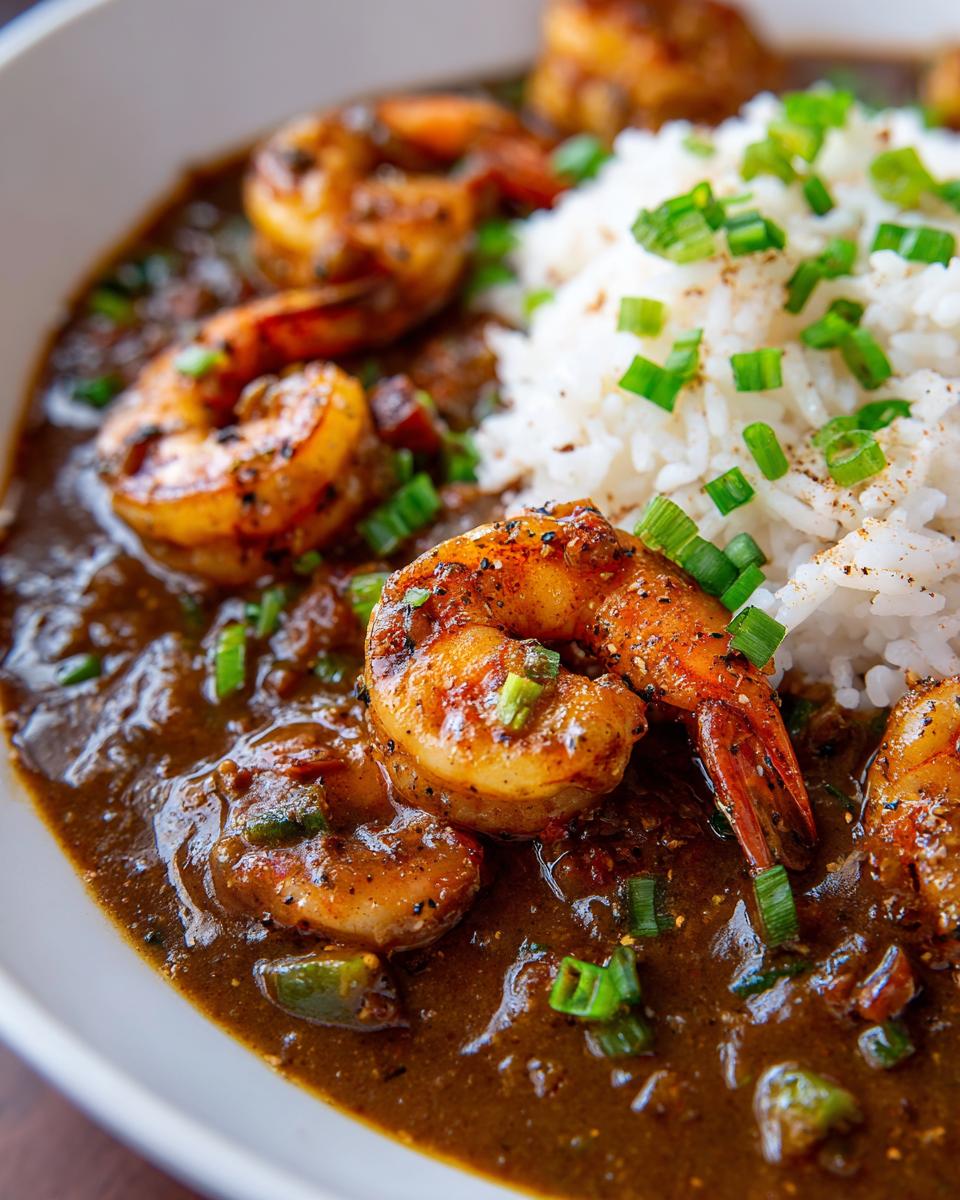
Seriously, the biggest mistake people make is ruining beautiful shrimp by cooking them too long—it turns them rubbery and sad! We are adding the shrimp right near the end because they cook incredibly fast. Season them lightly with salt and pepper first, then slide them right into that simmering sauce. All you need is about 3 to 5 minutes. You are looking for them to turn pink and opaque all the way through. The second they hit that color, turn off the heat! If they keep cooking in that residual heat for even another minute while you debate seasonings, they will be tough. Pull that bay leaf out before serving, taste your sauce, adjust the salt, and serve it hot!
Tips for Success with Your Authentic Shrimp Etouffee Recipe
I want you to succeed with this authentic shrimp etouffee recipe because it deserves to be made right! It’s easy to get caught up in the roux, but these little details afterwards are what make this a repeatable, five-star Louisiana inspired dinner. My cooking philosophy is all about elevating the everyday, and these tips will do just that.
First, I have to hammer this home again: Do not rush the roux! If you think you’ve cooked it long enough, cook it for five more minutes. That color is non-negotiable if you want that deep flavor profile, not just a floury sauce. If you’re looking for another deeply flavorful, slow-cooked base, you might enjoy digging into my creamy white chicken chili recipe for inspiration on savory depth!
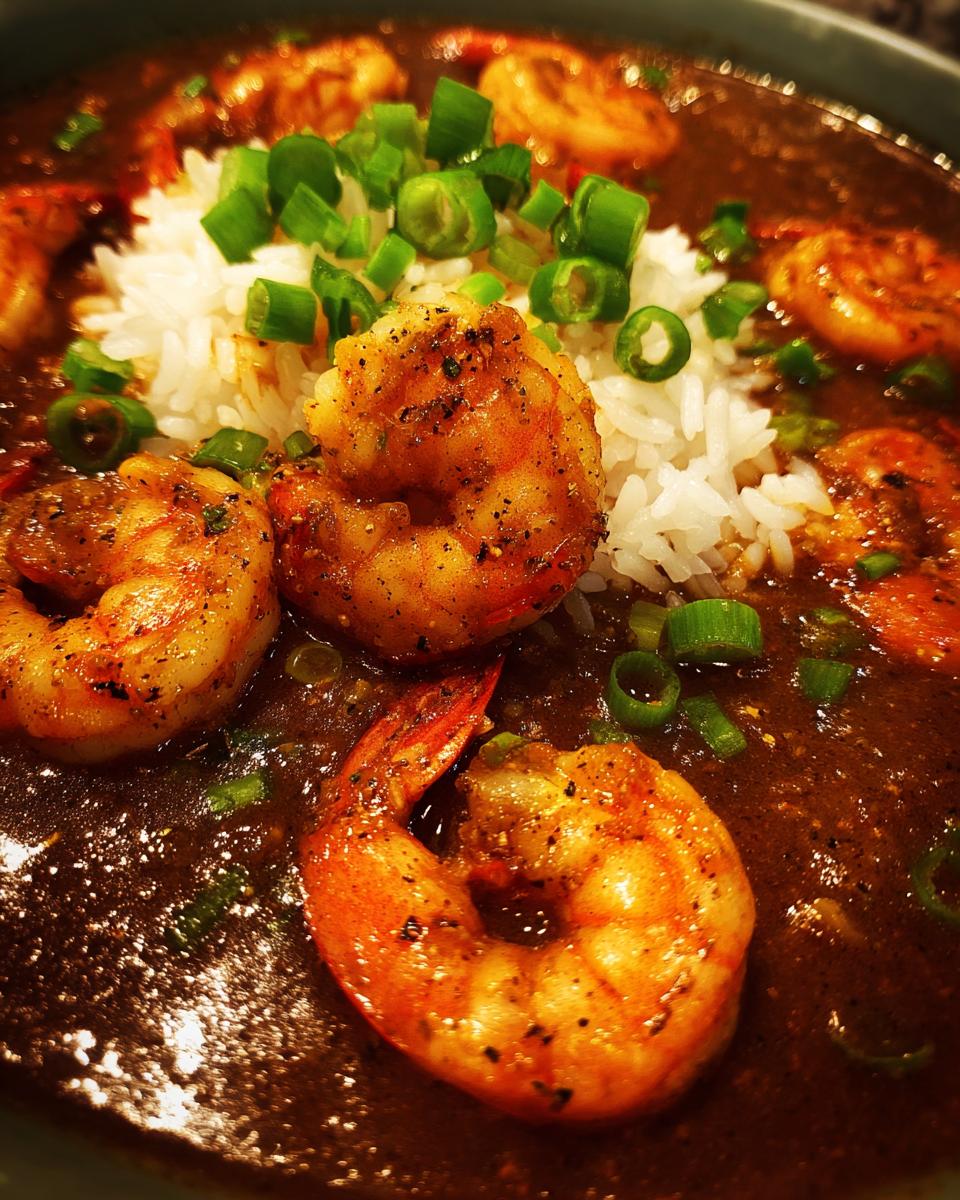
Now, what happens if you added your stock, let it simmer, and after all that waiting, you think, “Aria, it’s too thin!”? Don’t worry, that happens. We have a great fix for that right in the notes. If you need a little extra thickness, just mix about 1 tablespoon of cornstarch with 2 tablespoons of cold water until it’s smooth—that’s called a slurry. Whisk that slurry right into your simmering etouffee before you add the shrimp. It thickens up fast, and nobody will ever know you cheated!
Also, remember that shrimp cook fast. They are going in last. You can prep them, but keep them chilled until the absolute moment they hit the simmering sauce, or you risk them getting tough while you worry about seasoning the final dish. Tasting and adjusting your salt and pepper right at the end is the final key to making this truly shine as a savory southern seafood masterpiece.
Serving Suggestions for This Louisiana Inspired Dinners Dish
You’ve made the perfect, rich, deeply flavored shrimp etouffee, and now it’s time for the grand finale! There is simply no way around it: this wonderful stew demands a bed of fluffy white rice. It’s the only way to truly appreciate scooping up every last drop of that amazing sauce. Remember, this is the ultimate seafood recipe over rice.
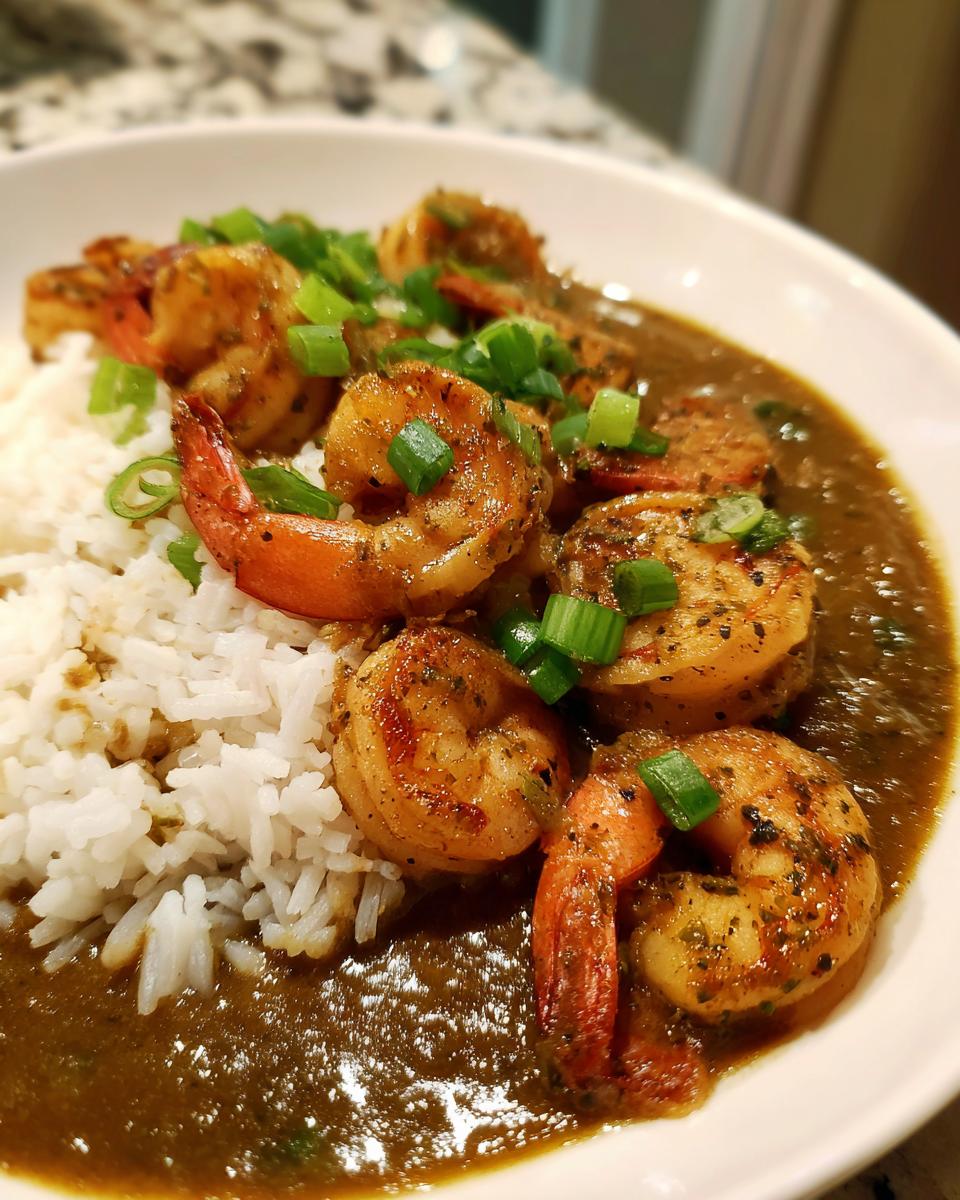
Beyond the essential rice, I love serving this robust meal with something simple and fresh on the side to cut through the richness. A crisp green salad with a bright vinaigrette works wonders. Or, if you want to lean fully into that Southern side, my recipe for fried cornbread is fantastic for soaking up any extra sauce left on your plate. It makes this whole Louisiana inspired dinner feel complete!
Storage and Reheating Instructions for Leftover Shrimp Etouffee
I always hope for leftovers because I think my savory shrimp etouffee tastes even better the next day—the flavors have settled in and deepened overnight. That’s the beauty of a fantastic long-simmered sauce! Handling leftovers smartly means you get to enjoy this New Orleans comfort food again and again without changing the texture.
First things first: you need to cool it down quickly. Don’t leave that big pot sitting on the counter for hours! Once the étouffée is completely cool, transfer the sauce and the shrimp into an airtight container. It keeps beautifully in the refrigerator for about three to four days. If you know you won’t finish it in that time, it freezes like a dream—just pop it into freezer-safe bags or containers.
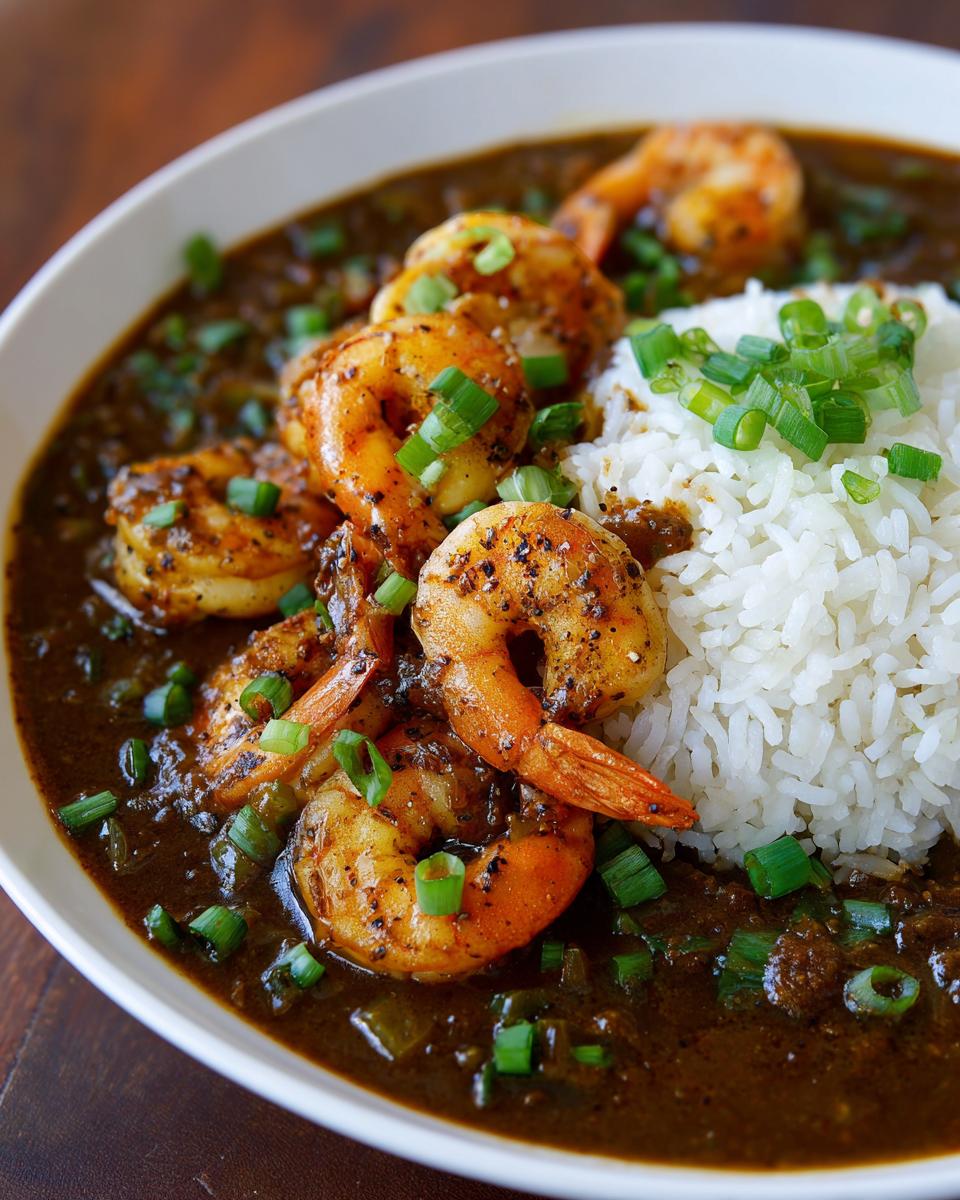
When it comes to reheating, I have a little trick to keep those shrimp from getting rubbery. If you are only reheating a small portion, I prefer to gently reheat just the sauce base on the stovetop over medium-low heat until it’s simmering nicely. Then, add only the amount of shrimp you plan to eat right then, and let them warm through for just a minute or two. That way, the shrimp never overcook.
If you’re reheating the whole batch, keep the heat very low. Stir often, and once it feels warm all the way through—before it starts a hard boil—take it off the heat. The goal is to warm the sauce, not cook the shrimp again! It pairs perfectly with fresh rice, just like the first time you made it. If you need inspiration for handling other delicious leftovers, check out my tips on making my easy leftover turkey pot pie recipe for using up odds and ends!
Frequently Asked Questions About Making Shrimp Etouffee
I know sometimes those little questions pop up once you get cooking, and that’s totally normal! When dealing with traditional etouffee secrets, sometimes the best advice is the clearest answer to those tricky little details. I want you to feel completely confident serving up this dish, whether you’re using my easy air fryer shrimp recipe for inspiration or diving deep into this roux adventure. Here are the things folks ask me most often about getting that perfect authentic shrimp etouffee recipe.
Can I make the roux for shrimp etouffee ahead of time?
This is a fantastic question for anyone trying to manage serving time! Here’s the thing about the roux: it’s best, truly best, when it’s made fresh right before you add your “Trinity.” Once it hits that milk chocolate color, if you stop cooking it, it’s still technically cooking slowly because of the retained heat, and it can easily go from perfect to burnt very fast while you step away. So, while the answer is technically yes if you want to make a big batch and store it in the fridge, I strongly advise against it for beginners! Patience during that 30 minutes of whisking is what guarantees your rich, non-gloppy base and prevents that bitter taste from creeping in. Make it fresh!
What is the ‘Trinity’ in Creole cooking?
Ah, the Holy Trinity! This is the flavor base that pops up in almost every single Cajun or Creole dish—it’s the backbone of our savory southern seafood tradition. It’s very similar to the French mirepoix, but in Louisiana, we swap out the carrot for sweet green bell pepper. So, the Trinity is simply: chopped onion, chopped green bell pepper, and chopped celery. We always cook these down after the roux until they are nice and soft because they release their moisture and flavor right into that fat base, creating the foundational taste of your whole meal!
How spicy should my shrimp etouffee be?
This really depends on your own heat preference, but authentic étouffée generally carries a nice little warmth, not a five-alarm fire! I put in about 1/2 teaspoon of cayenne pepper, which usually gives a noticeable, pleasant kick as part of the overall flavor profile. If you are serving people who can’t handle anything hot, start with just 1/4 teaspoon, or skip the cayenne entirely and just use plenty of fresh black pepper. You can always add more heat later, but you can’t take it away once it’s simmered in! Taste your sauce right before adding the shrimp and decide then if you want to bump up that spice level.
Nutritional Estimates for This Classic Cajun Seafood Dish
I get asked all the time if our rich, flavorful shrimp sauce has to weigh us down, and honestly, when you skip the heavy creams and stick to the traditional roux base, it’s surprisingly reasonable! Of course, this dish is all about flavor, so we aren’t aiming for diet food, but it’s good to know what you’re serving up. These numbers are estimates based on the ingredients listed above, and remember, this breakdown does NOT include the generous scoop of white rice you’ll absolutely need to serve underneath it—because one can’t enjoy a true New Orleans comfort food experience without that rice bed!
If you’re looking for more inspiration on packing nutrition into your meals without sacrificing flavor, take a peek at my recommendations for quick healthy lunch ideas. But for now, here’s the breakdown for your hearty serving of shrimp etouffee:
- Serving Size: 1 serving (without rice)
- Calories: 350
- Total Fat: 18g
- Saturated Fat: 3g
- Trans Fat: 0g
- Cholesterol: 220mg
- Sodium: 650mg
- Total Carbohydrates: 18g
- Fiber: 3g
- Sugar: 4g
- Protein: 30g
See? That’s a fantastic amount of protein for a truly satisfying meal! If you want to see this dish pinned for later reference, you can check out this link: Shrimp Etouffee on Pinterest. Mastering this classic Cajun seafood dish means you can enjoy big flavor responsibly!
PrintAuthentic New Orleans Shrimp Etouffee Recipe

Make this classic Cajun seafood dish at home. This recipe guides you through building a deep, flavorful roux for a truly authentic New Orleans comfort food experience.
- Prep Time: 15 min
- Cook Time: 50 min
- Total Time: 65 min
- Yield: 4 servings 1x
- Category: Dinner
- Method: Stovetop Simmering
- Cuisine: Cajun/Creole
- Diet: Low Fat
Ingredients
- 1/2 cup all-purpose flour
- 1/2 cup vegetable oil
- 1 large yellow onion, chopped
- 1 green bell pepper, chopped
- 2 celery stalks, chopped
- 3 cloves garlic, minced
- 1 pound raw shrimp, peeled and deveined
- 1 (14.5 ounce) can diced tomatoes, undrained
- 2 cups shrimp or seafood stock
- 1 teaspoon dried thyme
- 1 teaspoon dried oregano
- 1/2 teaspoon cayenne pepper (or to taste)
- 1 bay leaf
- Salt and black pepper to taste
- 1/4 cup chopped green onions, for garnish
- Cooked white rice, for serving
Instructions
- Make the roux: In a heavy-bottomed pot or Dutch oven, combine the flour and oil over medium heat. Whisk constantly until the mixture darkens to the color of milk chocolate, about 20 to 30 minutes. Watch carefully to prevent burning.
- Add the Trinity: Once the roux is the correct color, add the chopped onion, bell pepper, and celery (the holy trinity). Cook, stirring often, until the vegetables soften, about 5 to 7 minutes.
- Add aromatics: Stir in the minced garlic and cook for 1 minute until fragrant.
- Build the sauce: Stir in the diced tomatoes (with their juice), seafood stock, thyme, oregano, and cayenne pepper. Add the bay leaf. Bring the mixture to a simmer.
- Simmer: Reduce the heat to low, cover the pot partially, and let the etouffee simmer for at least 30 minutes, allowing the flavors to meld. Stir occasionally to prevent sticking.
- Cook the shrimp: Season the shrimp lightly with salt and pepper. Add the shrimp to the simmering sauce. Cook for 3 to 5 minutes, or just until the shrimp turn pink and opaque. Do not overcook.
- Finish and serve: Remove the bay leaf. Taste the sauce and adjust salt and pepper as needed. Serve the flavorful shrimp etouffee hot over mounds of cooked white rice. Garnish with fresh green onions.
Notes
- Achieving the correct roux color is the most important step for authentic flavor; do not rush this process.
- If you prefer a thicker sauce, you can mix 1 tablespoon of cornstarch with 2 tablespoons of cold water and stir it into the simmering sauce before adding the shrimp.
- For a deeper Creole flavor, substitute chicken stock for seafood stock if necessary.
Nutrition
- Serving Size: 1 serving (without rice)
- Calories: 350
- Sugar: 4
- Sodium: 650
- Fat: 18
- Saturated Fat: 3
- Unsaturated Fat: 15
- Trans Fat: 0
- Carbohydrates: 18
- Fiber: 3
- Protein: 30
- Cholesterol: 220