

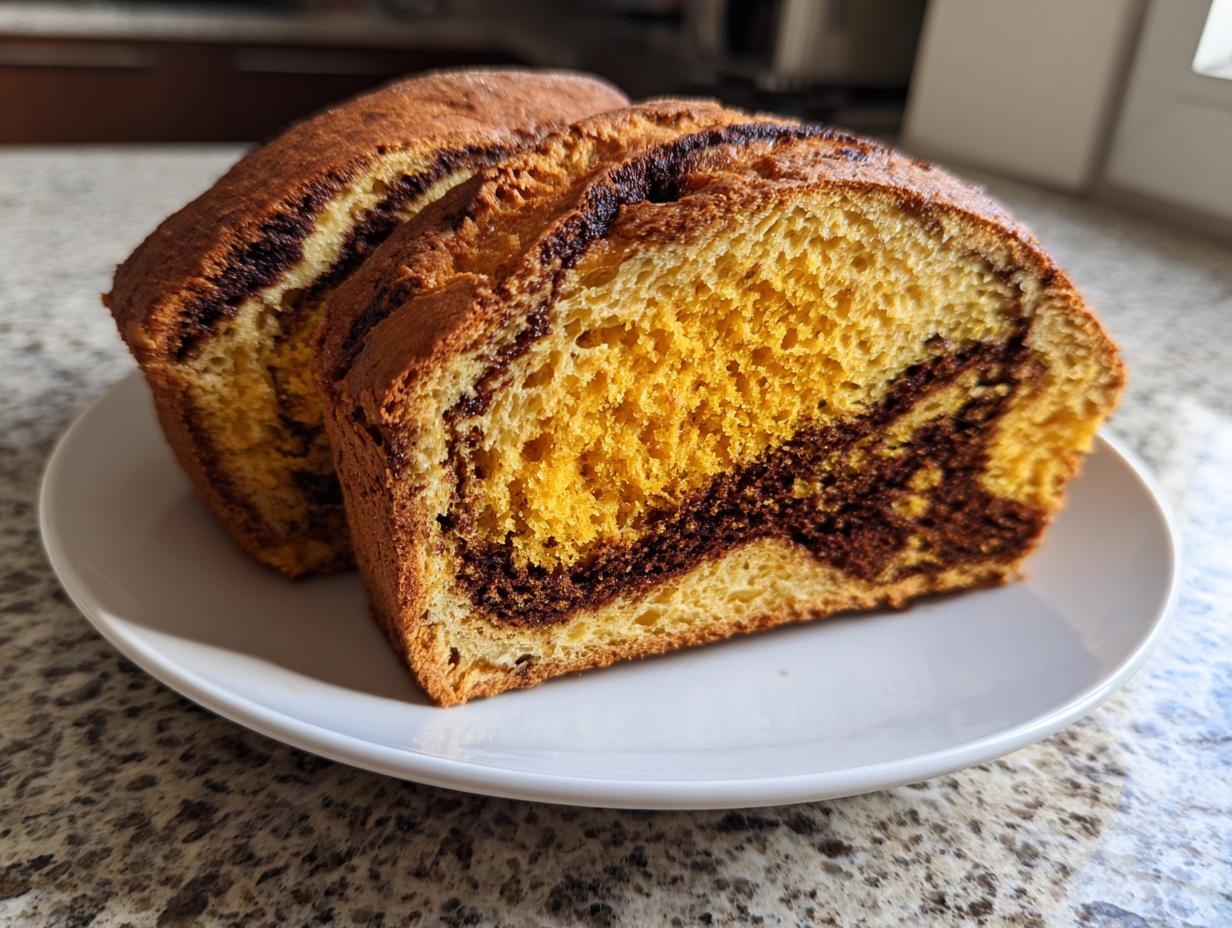
Oh, friends, can you smell it? That unmistakable cozy scent that means autumn is truly here—cinnamon, a little earthiness, and that perfect warm tang? Baking is just different when the air gets crisp, isn’t it? That’s why I’m so excited to share this recipe today. We’re talking about taking the complexity out of sourdough and marrying it with the seasonal magic of pumpkin to create the ultimate pumpkin sourdough loaf.
This isn’t just some standard fall quick bread, mind you. We are aiming for that beautiful, rustic, artisan look that usually takes days, but we’re keeping the process manageable for your home kitchen. I’m Aria, and trust me on this: turning seasonal gems like pumpkin puree into rewarding, perfectly moist bread is my absolute favorite thing to teach. If you loved my recipe for easy fall dinners, you know exactly the kind of comforting flavor we are aiming for here. Get your starter ready; this loaf is going to be incredible!
- Why This Artisan Pumpkin Loaf is Your New Favorite Fall Sourdough Recipes
- Gathering Ingredients for Your Pumpkin Sourdough
- Expert Tips for Perfect Pumpkin Sourdough Baking
- Step-by-Step Instructions for Your Artisan Pumpkin Loaf
- Making Sourdough Discard Pumpkin Recipes Variations
- Storage and Reheating Instructions for Your Loaf
- Serving Suggestions for Seasonal Sourdough Creations
- Frequently Asked Questions About Pumpkin Sourdough
- Understanding the Nutrition in Your Homemade Sourdough Pumpkin Bread
Why This Artisan Pumpkin Loaf is Your New Favorite Fall Sourdough Recipes
I get it—sourdough can seem intimidating, but this loaf proves that you can achieve incredible, bakery-worthy results right at home. This happens to be one of the best sourdough discard recipes if you happen to have some hanging around! What makes this recipe stand out?
- It delivers superior moist sourdough baking results that last for days.
- It perfectly balances the rustic structure of an artisan pumpkin loaf with cozy autumn flavors.
- You get to wake up that dormant starter and use it for something truly special!
Achieving Tender Crumb Sourdough Texture
The secret weapon is the pumpkin puree! It acts like a natural moisture binder. People worry about sourdough being chewy or dense, but the pumpkin keeps the crumb incredibly soft. It’s that tender crumb sourdough magic you dream about when you picture homemade sourdough fall baking.
The Sweet and Tangy Bread Experience
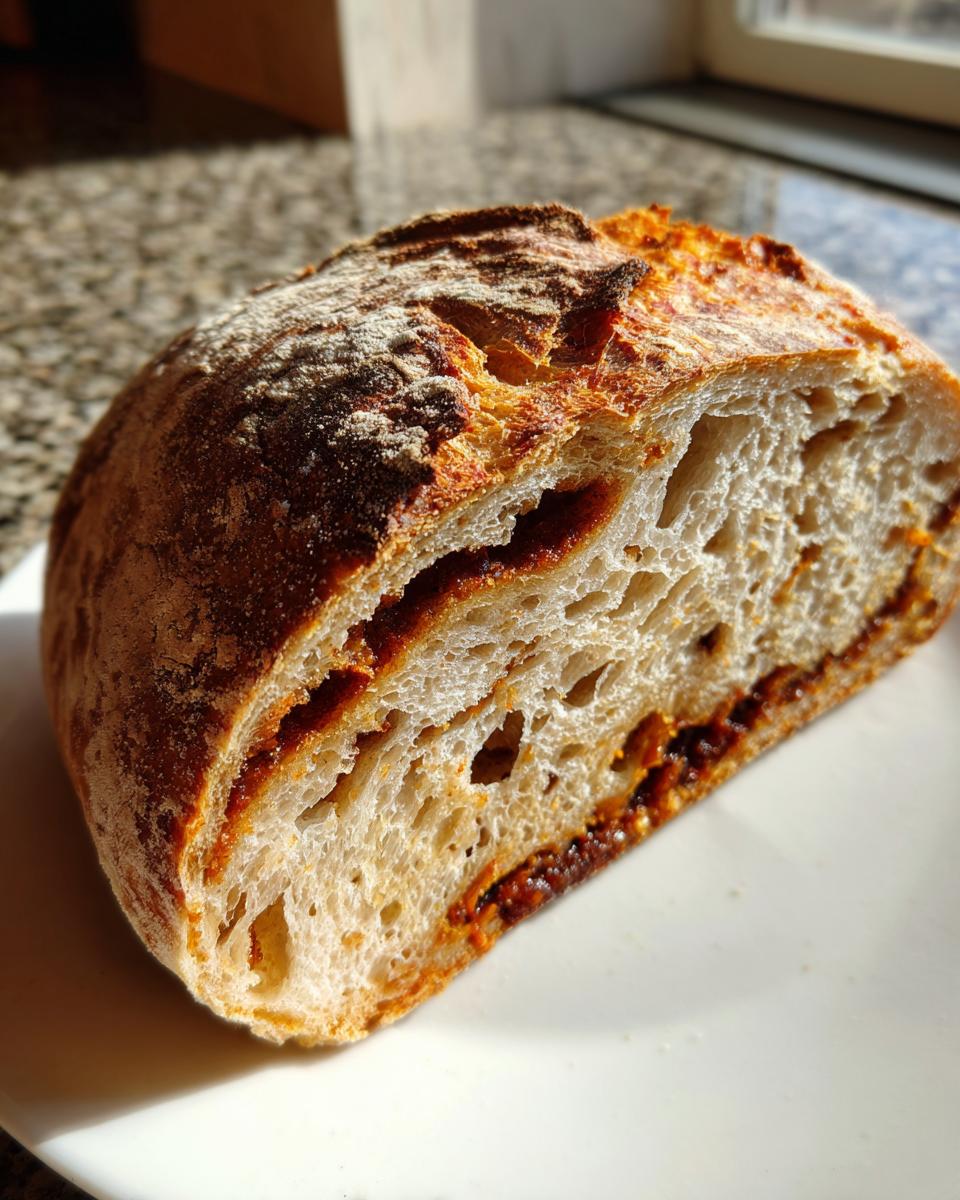
If you’ve only ever had sweet pumpkin bread, this is a game-changer. You get that delightful, familiar tang from the long fermentation process, which cuts right through the sweetness of the pumpkin and spice swirls. It creates a wonderful sweet and tangy bread that is fantastic toasted or served alongside soup.
Gathering Ingredients for Your Pumpkin Sourdough
Okay, baking is all about precision, especially when you’re mixing a live culture like sourdough with something wet like pumpkin. Don’t skip checking these measurements, seriously! You can’t just throw things in when you’re making an artisan pumpkin loaf; we need specifics to nail that perfect texture. If you need some inspiration on what to pair this bread with later, definitely check out my recipe for pumpkin fluff!
Here’s what you need for our beautiful, flavorful loaf:
- 100g active sourdough starter (Make sure it’s bubbly and hungry—fed 4-5 hours before mixing!)
- 350g warm water (Warm, not hot, we don’t want to shock the yeast!)
- 500g bread flour (High protein is your friend here for structure.)
- 150g pumpkin puree (Crucial warning: this MUST be pure pumpkin puree, NOT pumpkin pie filling. The filling has sugar and spices that will mess up our dough balance.)
- 10g fine sea salt
Ingredients for the Cinnamon Swirl Sourdough
This swirl is what takes it from great to absolute heaven. If you don’t make the swirl, it’s still a wonderful sourdough pumpkin bread, but trust me, you want this ribbon of spice goodness running through it.
- For the Cinnamon Swirl: 50g brown sugar (packed tight!)
- 1 tablespoon ground cinnamon (Use the good stuff; the smell matters!)
- 2 tablespoons softened butter (It needs to be soft enough to spread easily without tearing the dough during the roll-up.)
Expert Tips for Perfect Pumpkin Sourdough Baking
Baking artisan loaves isn’t just about following steps; it’s about understanding what the bread needs. Since we are baking with pumpkin puree, things change slightly compared to a plain loaf. Pay attention to these details, and you’ll have the most rewarding, cozy autumn baking experience!
Understanding Hydration with Pumpkin Sourdough
Pumpkin puree is mostly water, but it holds it in a very thick way. When you see your dough initially, it might feel a bit slack or sticky compared to your usual recipe. That’s normal! You’ve added significant moisture. Don’t be tempted to add a ton of extra flour during your stretch and folds, or you’ll end up with a dry loaf later. Trust the process; the flour will absorb it during bulk fermentation, giving us that wonderful, moist sourdough baking texture.
Making Your Pumpkin Spice Sourdough Flavor Pop
If you really want that deep, warm flavor signature of the season, you have to amp up the spices. I love to take those spices—cinnamon, nutmeg, maybe a pinch of clove—and very gently toast them in a dry skillet until you can really smell them—about 30 seconds! Then, add them in with the salt and puree. This simple step wakes up the oils in the spices, meaning your pumpkin spice sourdough will taste richer and more complex. It’s minimal effort for maximum cozy impact!
Step-by-Step Instructions for Your Artisan Pumpkin Loaf
We’ve got the ingredients ready; now it’s time to bring this beauty to life! Remember, this is an artisan loaf, so we need to treat the dough gently to keep all those lovely gases we built up inside. Timing is everything here, especially with the cold proof, so set a timer on your phone for those stretch and folds!
Mixing, Autolyse, and Incorporating the Pumpkin
First things first: water and starter go into the bowl. Whisk them together until they are mostly combined. Now, dump in all your 500g of bread flour and mix it by hand until you just have a shaggy, messy mass. Don’t worry about smooth dough right now—it’s supposed to look messy! Cover this up and let it rest for 30 minutes. This autolyse period lets the flour start soaking up the water all on its own, which helps with our final dough development later.
Once the rest period is over, it’s time to bring in the heavy hitters! Add your 10g of salt and your 150g of pumpkin puree right on top. Mix this thoroughly by hand. You’ll need to squish and fold it until that pumpkin is fully incorporated and the salt is dissolved. It sounds messy, but that’s how we get the puree evenly distributed!
Building Strength and Adding the Cinnamon Swirl Sourdough
Now we build structure. Over the next couple of hours, you need to do four sets of stretch and folds, spaced 30 minutes apart. Gently grab one side, stretch it up high, and fold it over the center. Spin the bowl and repeat until you’ve done all four sides. That’s one set! If you’ve never done stretches before, no sweat; it’s easier than you think, and you can check out my guide on similar techniques used for soda bread to get the hang of the motion.
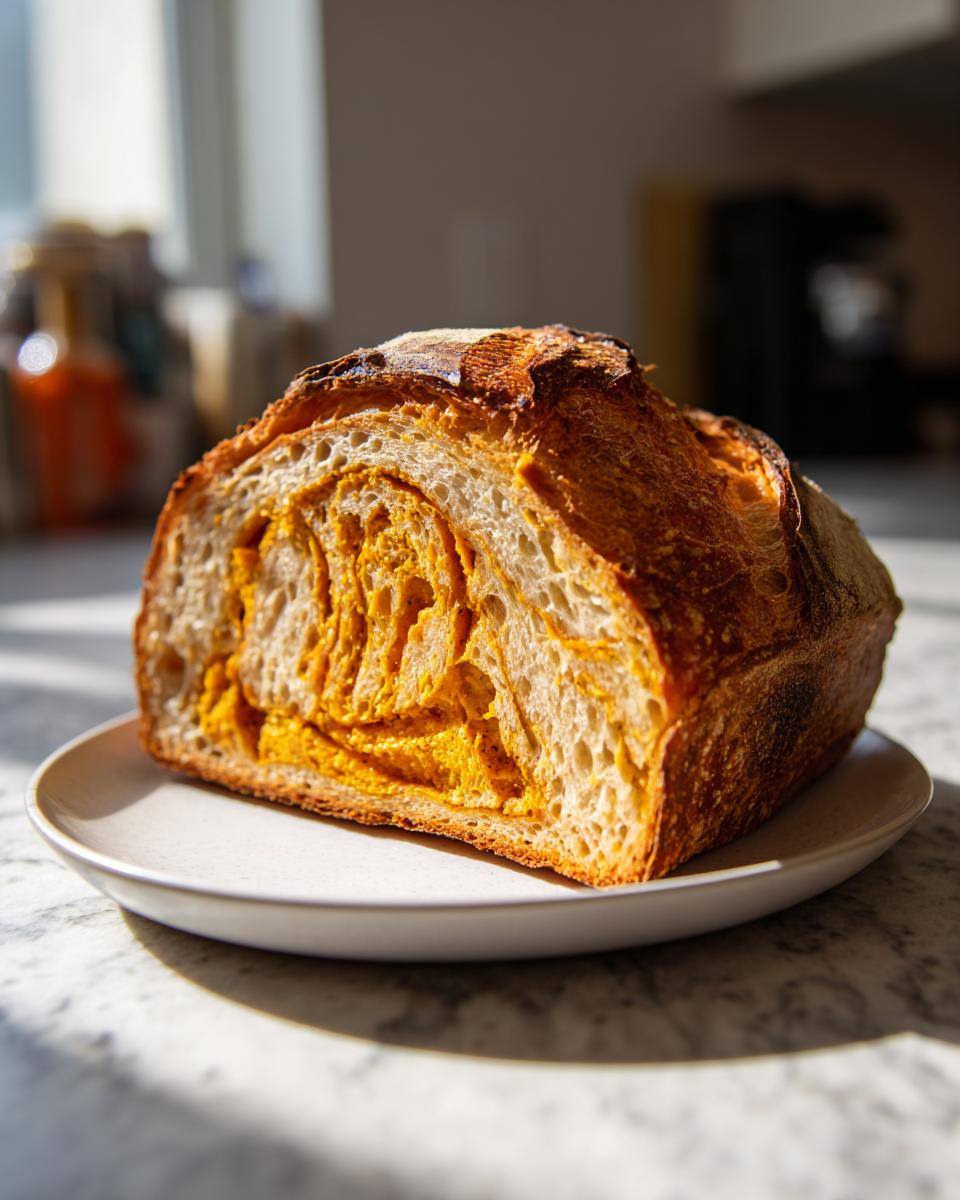
After the third set of folds, wipe your hands clean. Gently lay the dough out almost flat, trying not to deflate it too much. Now, spread that softened butter evenly across the surface. Sprinkle that gorgeous mixture of brown sugar and cinnamon right on top. Carefully roll the dough up super tightly across itself, like rolling a jelly roll. This locks in that beautiful cinnamon swirl sourdough!
Let the dough finish its bulk fermentation now—it should increase by about 30% to 50%. Depending on how warm your kitchen is, this might take three hours or maybe even five. Watch the dough, not the clock!
Shaping and Cold Proofing for Maximum Oven Spring
Once bulk fermentation looks right, gently turn the dough onto a lightly floured surface. Gently shape it into a real tight round (or oval, if you like a long loaf). The tighter the skin you create on the outside, the better your oven spring will be!
Place the shaped dough, seam-side up, into a heavily floured banneton basket. Then, it needs a long, cold nap in the fridge—12 to 18 hours is perfect for developing that deep flavor in your sourdough pumpkin bread. Resist the urge to rush this part; the cold proof is essential for a fantastic rise!
Baking the Pumpkin Sourdough in a Dutch Oven
When you’re ready to bake, put your Dutch oven—lid and all—into the oven and preheat everything to 500°F (260°C) for a full 45 minutes. We need that cast iron screaming hot!
Carefully take the pot out. Flip your cold dough onto a piece of parchment paper. Score the top quickly with a lame or a super sharp knife—a deep slash is usually best for a good ear. Use the parchment paper slingshot method to lower the dough into the blazing hot pot. Cover tightly and drop the temperature to 500°F (260°C) and bake for 20 minutes. This steamy environment is key!
After 20 minutes, take the lid off and drop the temperature down to 450°F (232°C). Bake uncovered for another 25 to 30 minutes until that crust is a deep, deep mahogany brown. Seriously, go darker than you think you need to. When it’s done, immediately pull it out and—this is the hard part—let it cool completely on a wire rack. If you cut it now, you’ll ruin that perfect tender crumb sourdough texture because the internal moisture is still setting. You can sneak a treat later, but for the best slice, wait!
Making Sourdough Discard Pumpkin Recipes Variations
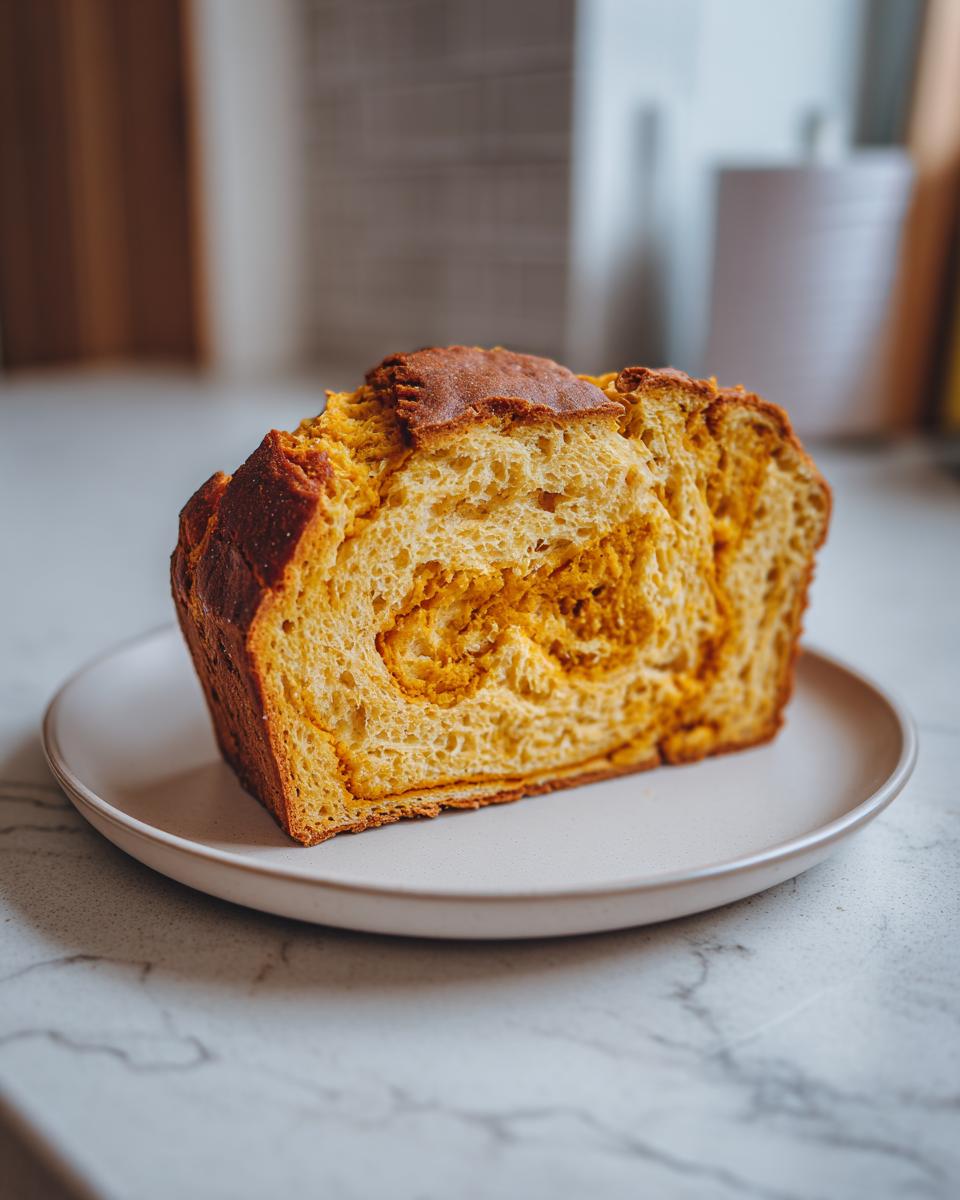
So, what if you peaked at your starter jar this morning and realized you had a ton of discard but zero active starter? Don’t you dare throw it out! That tangy discard is liquid gold, especially when we’re talking about cozy autumn baking. The good news is that because we are using pumpkin puree, which adds a lot of weight and moisture to the dough, we can totally adapt this recipe to use discard instead of relying on a peak-active starter.
When you swap discard in, you are generally swapping out some of the flour and some of the water. Since the discard is already a mix of flour and water, you need to adjust the hydration slightly. For my readers who are already masters of sourdough discard recipes, you probably know this dance already!
If you’re using discard, skip Step 1 (the autolyse with just water and flour). Instead, mix your 100g of discard in with the water and flour initially. You might feel like the dough is a little sticker right off the bat. Remember, discard isn’t quite as potent as a freshly fed starter, so your bulk fermentation time might stretch a little longer—maybe an extra hour or two compared to if you used a super active starter. Keep an eye on that 30-50% rise we talked about!
It’s just one of those wonderful things about working with sourdough; you learn to adjust. If you want to explore even more ways to use up that starter, I have a whole post dedicated to different sourdough discard pumpkin recipes that you should bookmark for next time!
Storage and Reheating Instructions for Your Loaf
I know how tempting it is to slice into that gorgeous, fragrant loaf the second it comes out of the oven, especially when it smells like the best sourdough breakfast ideas possible. But please, please, wait for it to cool completely! Cutting into this pumpkin sourdough while it’s hot traps steam inside and ruins that beautiful, moist crumb we worked so hard to achieve. It needs that time on the wire rack to finish setting up.
Once it’s totally cool—which takes hours, I know, the patience required for good baking is endless!—you can store it. The best method for this loaf, thanks to the puree content, is wrapping it tightly. I use beeswax wraps or a large zip-top bag. Stored at room temperature, this bread will stay wonderfully fresh for three to four days. Because it’s naturally tangy, it has a little more staying power than a standard white loaf.
If you think you won’t get through it that fast, you can definitely freeze it. Slice the cooled bread first, then wrap the slices tightly in plastic wrap or aluminum foil, and tuck those into a freezer bag. It lasts great for up to three months! When you want a slice, just pull it out, unwrap it, and pop it right into the toaster. It toasts up beautifully, and you won’t even taste the difference. It’s the perfect way to save some of that cozy autumn baking magic for later!
Serving Suggestions for Seasonal Sourdough Creations
Now that you’ve successfully pulled off this magnificent artisan pumpkin loaf, the real question is: what do you eat it with? This bread is so wonderfully versatile—it swings between being a rustic bread that pairs beautifully with dinner and a slightly sweet treat that screams breakfast!
Of course, the classic move is simple: a smear of good, salty butter when it’s still slightly warm (but not freshly sliced—remember our moisture rule!). That melts right into the crumb, and you get the full effect of the tang mixed with that sweet cinnamon swirl. It’s pure bliss, honestly.
But for the full experience of cozy autumn baking, you have to think savory pairings too. Because this bread has gentle spice notes and isn’t overly sweet, it shines next to hearty fall dishes. I adore serving thick slices of this toasted and buttered alongside a big bowl of creamy roasted butternut squash soup. The warmth of the soup complements the cinnamon perfectly without competing with the bread’s subtle sweetness.
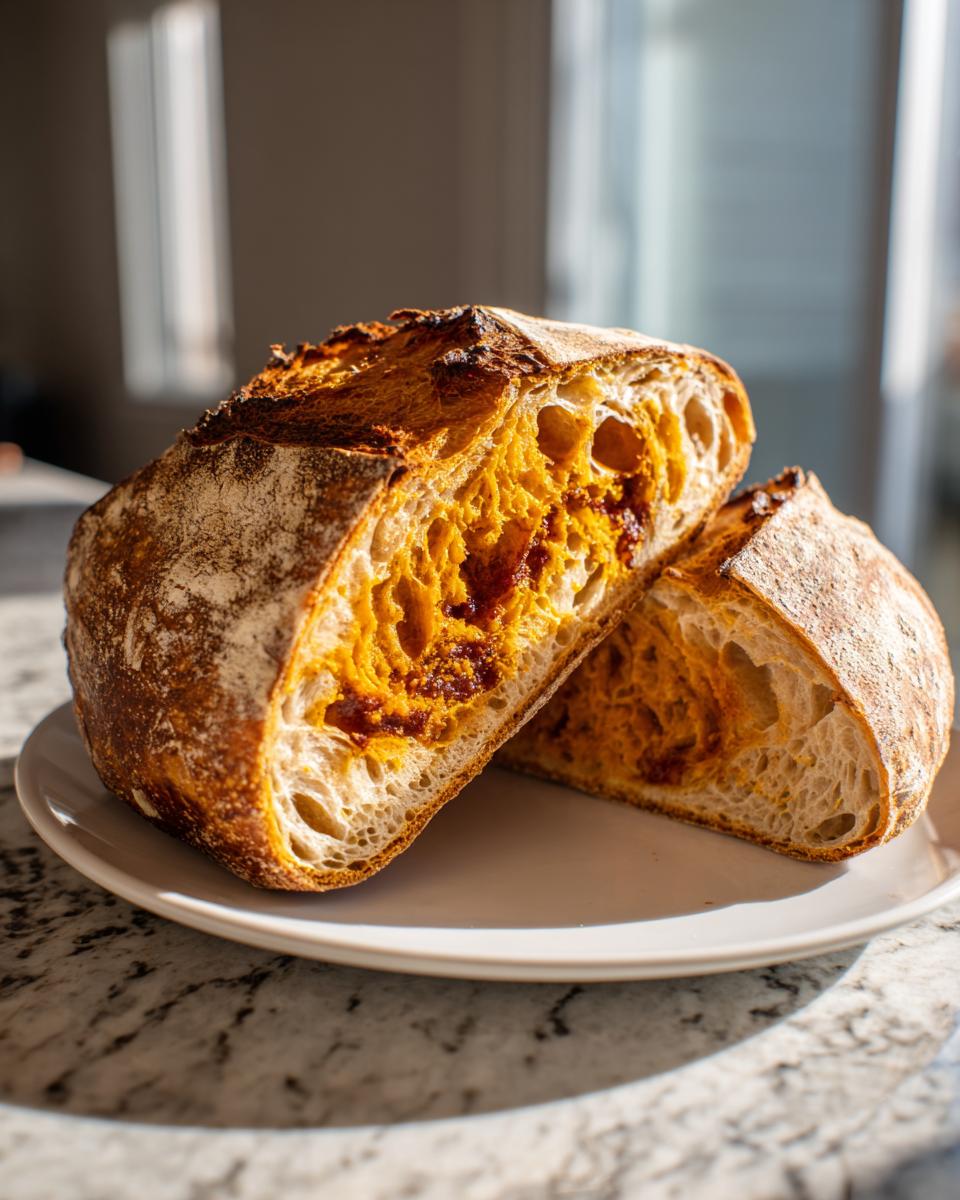
For breakfast, skip the sugary jams! Try topping it with whipped cream cheese mixed with a few chopped pecans, or maybe even a drizzle of real maple syrup if you want to lean into the sweetness. It’s divine served alongside a really strong cup of coffee, fueling you up for a cool morning. And if you want another fantastic seasonal bake that leans into the cinnamon side, check out this external link for a wonderful cinnamon swirl pumpkin sourdough bread recipe!
Frequently Asked Questions About Pumpkin Sourdough
I know you might have a few things floating around in your head after diving into this recipe—it’s technically advanced but still approachable! That’s the fun of baking, right? Learning the little quirks of each loaf. Don’t worry about those tiny details; I’m here to clear up any last-minute confusion so you can concentrate on getting that beautiful, tender crumb sourdough when you pull it out of the oven. If you need a palate cleanser after all that bread, check out my recipe for creamy shrimp enchiladas!
Can I use pumpkin pie filling instead of puree in my pumpkin sourdough?
Oh, absolutely not, dear baker, please don’t do it! This is one of the most important things to remember for moist sourdough baking. Pumpkin puree is just that—pure pumpkin. Pumpkin pie filling, however, is already heavily sweetened, usually has spices mixed in, and often contains stabilizers or extra liquid. If you swap the filling for the puree, your bread will likely come out way too sweet, it won’t ferment correctly because of the sugar ratios, and the texture will be unpredictable. Stick to 100% pure pumpkin puree for this recipe, okay?
What is the best way to score this moist sourdough baking loaf?
This is a fantastic question, and it dives right back into that high moisture content we talked about. Because you have that lovely, wetter dough from the puree and the cinnamon swirl mixture, the surface tension can be a little more delicate than a standard rustic loaf. You want to score deep enough to give the bread a defined place to vent steam and expand, but you don’t want to slash so aggressively that the loaf collapses inward.
For this sourdough pumpkin bread, I recommend a long, decisive slash, about half an inch deep, running from one edge almost to the other. Keep your goal simple: create one main channel for the oven spring. If you want to add a little flair, a very shallow decorative score perpendicular to the main cut can look lovely, but focus all your energy on that main, deep cut to ensure a good rise!
Understanding the Nutrition in Your Homemade Sourdough Pumpkin Bread
I think it’s always a good idea to have a rough idea of what’s going into your body, especially when you’re making something this rich and delicious! Now, I need to give you the standard baker’s disclaimer here: since we are deep in the world of home baking and I’m using specific brands of flour and flour-to-water ratios that are unique to my kitchen, these numbers are always going to be estimates based on the recipe provided. If you’re using a different starter ratio or adding extra honey, your results will naturally vary.
That said, here is the nutritional breakdown for one slice of this incredible loaf, based on the measurements listed. It’s pretty respectable for a loaf that tastes like a cozy dessert, don’t you think? You can find more information to pair with your side dishes, like my easy homemade rice pilaf, which goes wonderfully with this bread if you serve it with soup!
It’s important to remember that fermentation changes the nutritional profile of flour, making it often easier to digest than standard bread. We are keeping the sugar reasonably controlled here, relying on the pumpkin and a bit of brown sugar for that gorgeous fall flavor.
- Serving Size: 1 slice
- Calories: 320
- Sugar: 8g (That’s pretty reasonable for a sweet bread!)
- Sodium: 350mg
- Fat: 5g
- Saturated Fat: 2g
- Carbohydrates: 60g
- Fiber: 3g
- Protein: 10g
See? Not bad at all for something that feels like such a treat! Knowing you’ve made this satisfying pumpkin sourdough from scratch, using real ingredients, is half the joy. Enjoy every single slice!
PrintMoist Artisan Pumpkin Sourdough Bread with Cinnamon Swirl

Create a tender, flavorful artisan pumpkin sourdough loaf perfect for fall. This recipe combines the tang of sourdough with warm pumpkin spice and includes an optional cinnamon swirl for extra richness.
- Prep Time: 30 min
- Cook Time: 50 min
- Total Time: 13 hours 20 min
- Yield: 1 loaf 1x
- Category: Bread
- Method: Baking
- Cuisine: American
- Diet: Vegetarian
Ingredients
- 100g active sourdough starter
- 350g warm water
- 500g bread flour
- 150g pumpkin puree (not pie filling)
- 10g fine sea salt
- For the Cinnamon Swirl: 50g brown sugar
- 1 tablespoon ground cinnamon
- 2 tablespoons softened butter
Instructions
- Mix the active starter and warm water in a large bowl. Add the flour and mix until just combined into a shaggy mass. Cover and let rest for 30 minutes (autolyse).
- Add the salt and pumpkin puree to the dough. Mix thoroughly by hand until the puree is fully incorporated.
- Perform four sets of stretch and folds, spaced 30 minutes apart, to build dough strength.
- For the cinnamon swirl, mix the brown sugar and cinnamon. After the third set of folds, gently spread the softened butter over the dough surface. Sprinkle the cinnamon sugar mixture evenly over the dough. Roll the dough up tightly to incorporate the swirl.
- Allow the dough to bulk ferment at room temperature until it has increased in volume by about 30-50% (this may take 3-5 hours depending on your kitchen temperature).
- Shape the dough into a tight round or oval. Place it seam-side up in a floured banneton basket.
- Cold proof the dough in the refrigerator for 12 to 18 hours.
- Preheat your oven to 500°F (260°C) with a Dutch oven inside for at least 45 minutes.
- Carefully remove the hot Dutch oven. Gently turn the dough out onto parchment paper. Score the top of the loaf as desired.
- Carefully lower the dough (using the parchment paper) into the hot Dutch oven. Cover and bake for 20 minutes at 500°F (260°C).
- Reduce the oven temperature to 450°F (232°C). Remove the lid and continue baking for another 25-30 minutes, until the crust is deep golden brown.
- Remove the bread from the Dutch oven and cool completely on a wire rack before slicing to achieve a moist crumb.
Notes
- Use pure pumpkin puree for the best flavor and moisture retention in your sourdough pumpkin bread.
- For a stronger pumpkin spice sourdough flavor, add 1 teaspoon of pumpkin pie spice to the dough along with the salt.
- If you are using sourdough discard instead of active starter, you may need to adjust the hydration slightly, as discard is often drier.
Nutrition
- Serving Size: 1 slice
- Calories: 320
- Sugar: 8g
- Sodium: 350mg
- Fat: 5g
- Saturated Fat: 2g
- Unsaturated Fat: 3g
- Trans Fat: 0g
- Carbohydrates: 60g
- Fiber: 3g
- Protein: 10g
- Cholesterol: 0mg