

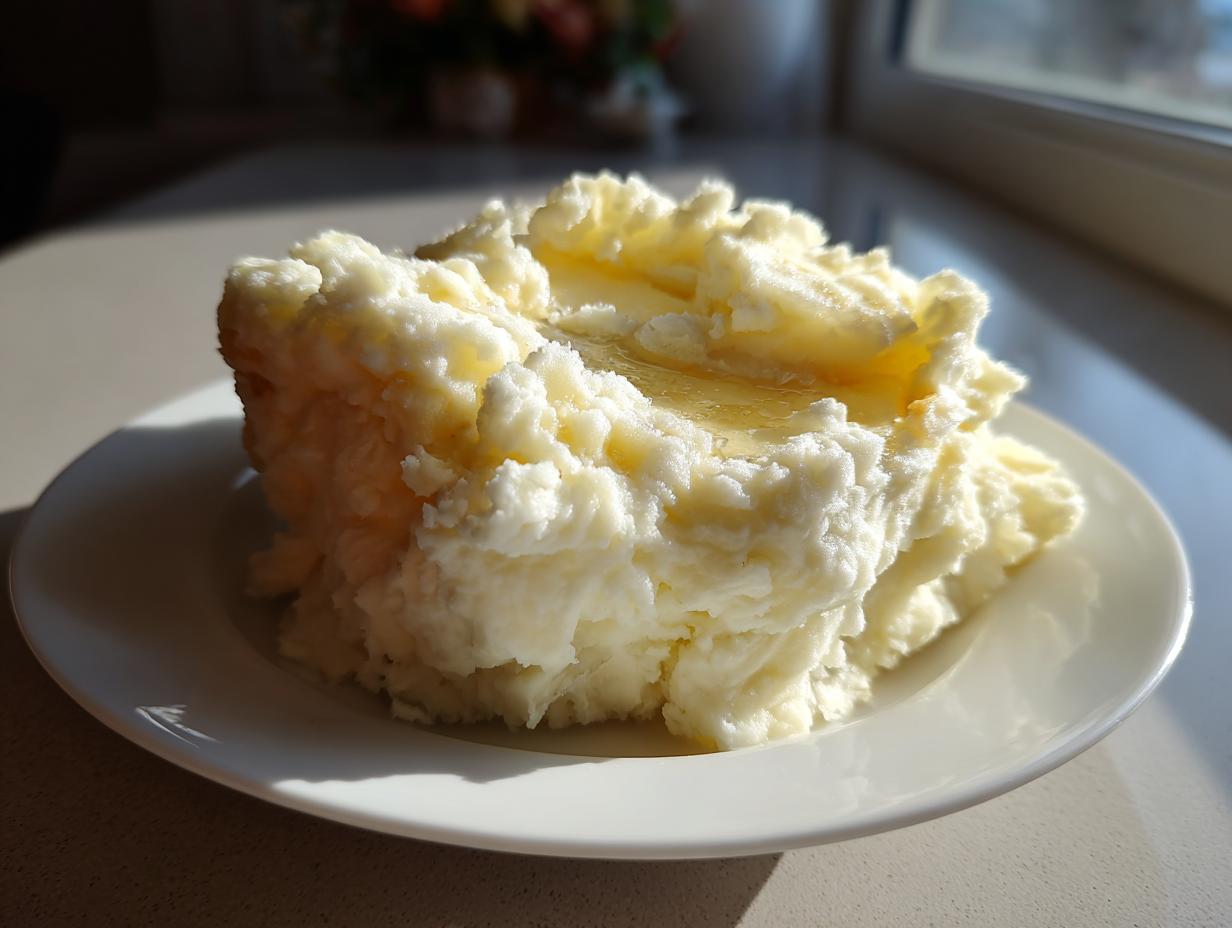
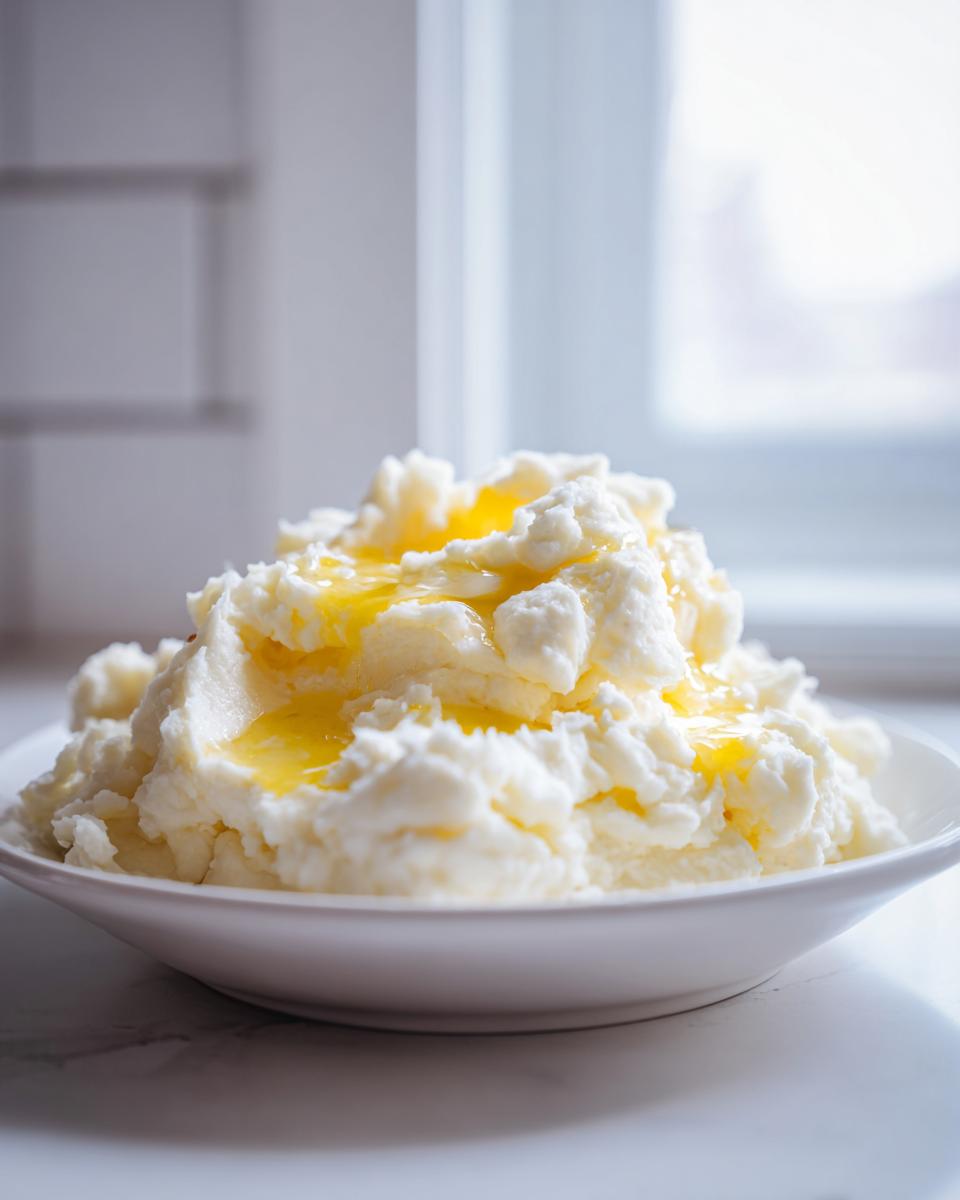
When I think about pure comfort food, my mind immediately goes to a cloud-like bowl of the best mashed potatoes. Seriously, nothing beats them, especially when they are ultra-creamy and loaded with butter. For years, I chased that perfect texture—you know, the one that’s fluffy, never gluey, and decadent enough for a holiday table but simple enough for a Tuesday night. After testing batch after batch in my own kitchen, I finally locked down the method for what I truly believe are the creamy mashed potatoes you dream about. This isn’t some ridiculously complicated restaurant technique; this is straight, honest cooking advice from one home cook to another to guarantee success every time.
- Why This Recipe Guarantees the Best Creamy Mashed Potatoes (Our Secrets)
- Gathering Your Ingredients for Ultimate Mashed Potatoes Recipe
- Step-by-Step: How to Prepare Perfect Texture Creamy Mashed Potatoes
- Tips for Foolproof Creamy Mashed Potatoes Success
- Ingredient Spotlight: Sour Cream in Creamy Mashed Potatoes
- Serving Suggestions for Your Rich Buttery Mashed Potatoes
- Make Ahead & Storage for Creamy Mashed Potatoes
- Frequently Asked Questions About Creamy Mashed Potatoes
- Nutritional Estimates for This Comfort Food Potato Recipe
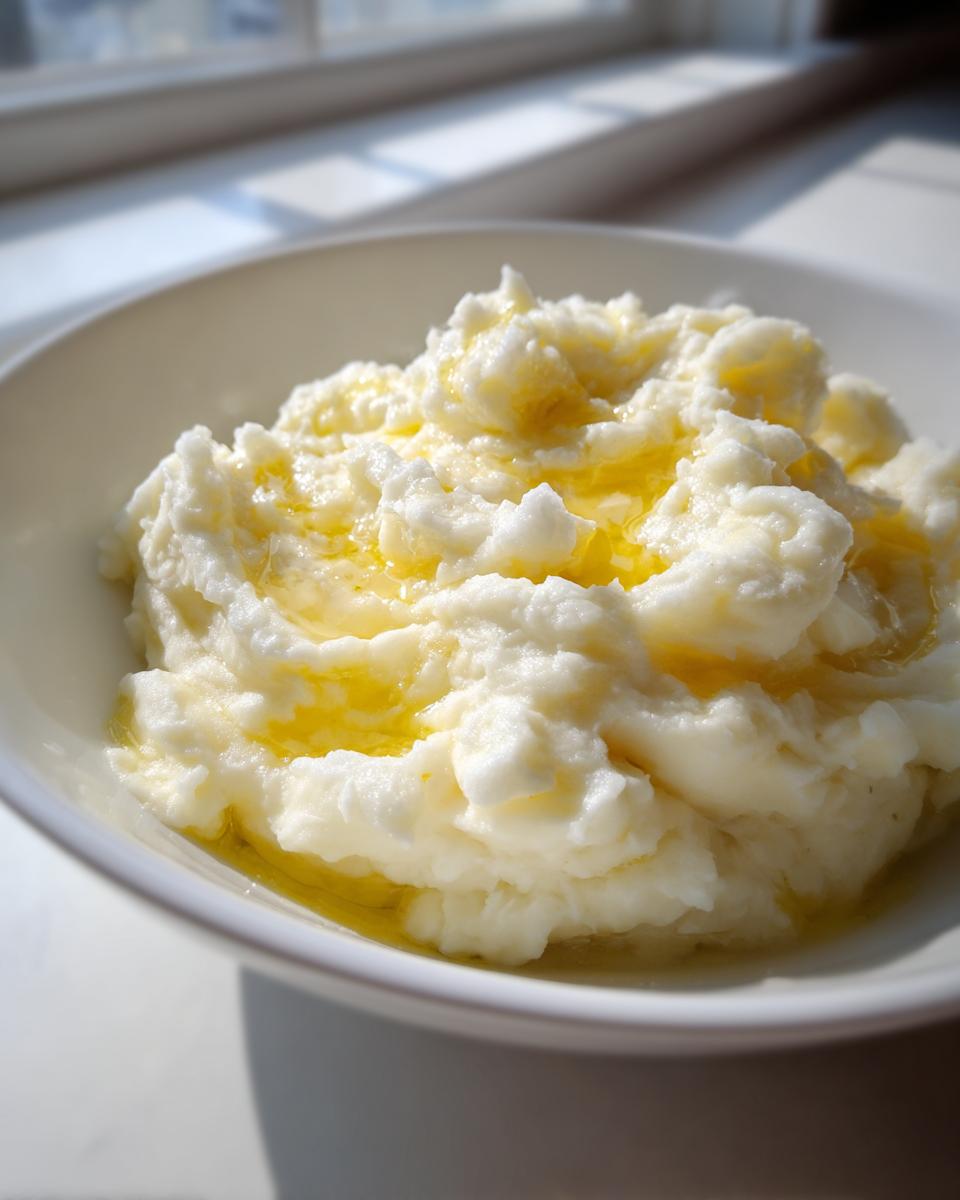
Why This Recipe Guarantees the Best Creamy Mashed Potatoes (Our Secrets)
Achieving the best creamy mashed potatoes isn’t about fancy gadgets—it’s about respecting the potato! When I learned the rules from a couple of favorite chefs and old cookbooks (like the classic Gordon Ramsay approach I love to reference), I realized the real magic happens before you even start mixing.
- The Potato Choice: Why Russets Lead to Fluffy Mashed Potatoes
You absolutely must grab Russets for this recipe. They are starchy and dry, which might sound bad, but trust me, it’s great! When cooked and mashed, that high starch breaks down perfectly, creating that light, airy fluff that melts in your mouth. Waxy potatoes just turn into heavy paste, which is the opposite of what we want here.
- The Warm Dairy Rule for Ultra-Creamy Mashed Potatoes
This is my number one technique for rich buttery mashed potatoes that don’t feel sticky! Never, ever add cold milk or cold butter to hot potatoes. Cold ingredients shock the cooked starch, pulling moisture out of the starches and making them gummy right away. Warming everything up keeps the texture silky and smooth from start to finish. It’s a simple step that makes a huge difference.
Gathering Your Ingredients for Ultimate Mashed Potatoes Recipe
Okay, now that we know the secrets to fluffiness, let’s talk about what goes into the pot. The ingredient list for this recipe is intentionally straightforward. I always find that when you’re aiming for that ultimate mashed potatoes recipe experience, fewer, higher-quality ingredients really let the potato shine, right? These potatoes are all about that luxurious dairy kick.
Here is what you’ll need. Make sure you prep that dairy ahead of time, just like we talked about!
- 3 lbs Russet potatoes, peeled and quartered
- 1 cup whole milk, warmed
- 8 tablespoons unsalted butter, cut into pieces
- 4 tablespoons sour cream (or heavy cream for richness)
- 1 teaspoon salt, plus more for boiling water
- 1/2 teaspoon black pepper
I also like to have my pot ready for the next stage. If you’re interested in other ways to use up potatoes in a creamy style, you might want to check out my recipe for creamy scalloped potatoes too. But for now, let’s stick to the mash!
Step-by-Step: How to Prepare Perfect Texture Creamy Mashed Potatoes
Alright, this is where the magic truly happens in this fluffy mashed potatoes tutorial. We move from cooking to creating. Remember, the goal here is perfection—smooth, yielding, and deeply flavored. Pay close attention to these drying steps, because they are the secret weapon against watery, boring potatoes! If you follow these steps exactly, you won’t end up with that rubbery mess nobody likes. For all the best tips on perfecting potatoes, I always keep this guide from Sarah in my bookmarks!
Cooking and Initial Drying of the Potatoes
First things first: always put your potatoes into cold water and then add the salt. If you drop them into boiling water, the outside cooks way too fast while the inside stays hard. We want them evenly cooked, so start cold, bring it up to a boil, and simmer until they are totally tender when you poke them with a fork—usually about 15 to 20 minutes.
Once they are done, drain them totally! Then, listen close: return those drained potatoes to the empty, warm pot and set it over super low heat for just a minute. Shake the pot gently. You’re letting all that extra steam cook right out. This tiny extra step is absolutely crucial for making sure you don’t get gluey potatoes later. Don’t skip it! You can find extra texture tips right here.
Mashing and Incorporating Dairy for Creamy Mashed Potatoes
Now the fun part! Take the pot off the heat completely. Drop in your softened butter pieces and start working them in with a hand masher. You just want them mostly mashed here; don’t go for total smoothness yet. Then, slowly pour in your warmed milk while you keep gently mixing. If you are using a stand mixer, use the paddle attachment on low, but honestly, a good hand masher works wonders for the initial blend.
When it looks mostly blended, gently fold in your sour cream, salt, and pepper until it’s just combined. Stop when you hit that perfectly rich and gorgeous texture. Remember, overmixing is the enemy of creamy mashed potatoes—we want creamy, not cement! Serve these beauties right away for the absolute best eating experience. If you’re looking for other ways to transform your leftovers, check out how I turn them into crispy potato croquettes!
Tips for Foolproof Creamy Mashed Potatoes Success
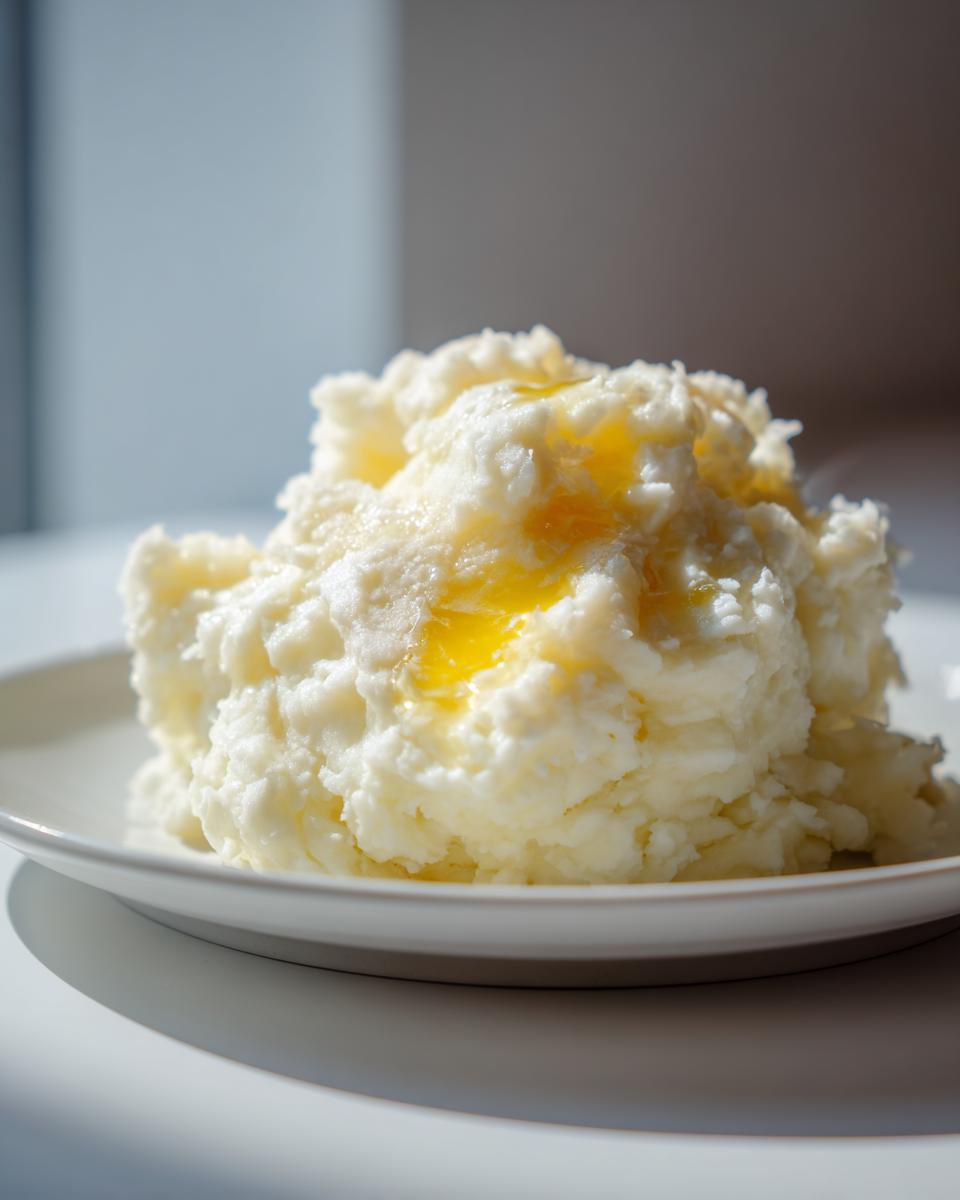
Honestly, mastering these potatoes comes down to a few non-negotiable rules I’ve learned over the years. Follow these and you are guaranteed foolproof mashed potatoes; you won’t have to stress about bumps or gumminess again! Every time I make a big holiday batch, I double-check these three things before I even turn on the stove.
First, always spring for Russet potatoes. Their high starch content is what gives you that necessary fluffiness you just can’t get from other kinds. If you use those waxy ones, you’re setting yourself up for disappointment before you even start boiling!
Second, and this is huge: warming up your milk before adding it in is essential. Cold dairy drops the temperature of your potatoes immediately, which starts the whole gumminess process. We want velvety consistency, not a sticky mess. You can gently warm your milk on the stove or even zap it in the microwave for about 30 seconds. Quick heat maintenance keeps every step working in our favor.
Finally, when it comes to mixing, use a ricer if you can! If you don’t have one, use a hand masher and stop mixing as soon as the dairy is incorporated. If you’re tempted to use an electric mixer, only use the paddle attachment on the *lowest* speed for just a quick stir. High speed whips air in too fast and overworks the starch, which is what gives you that gluey texture nobody enjoys. For more inspiration on rich sides, take a peek at this amazing recipe from Kitchen Confide, they always have great takes on comfort classics right here.
Ingredient Spotlight: Sour Cream in Creamy Mashed Potatoes
You might notice I called for sour cream in the ingredients list, and that’s one of the touches that makes these mashed potatoes with sour cream truly special. It’s not just about adding more fat; that little bit of acidity gives the whole dish a wonderful, subtle tang that cuts through all that butter and richness. It keeps the potatoes feeling bright and completely decadent, which is exactly what we want in an elevated side dish.
If you really aren’t a fan of the tang, or if you happen to be out, you can swap it 1:1 with heavy cream. But I always suggest trying the sour cream first! It’s what brings that extra layer of flavor. If you enjoy that zesty cream component, you might also love the flavor profile in my recipe for creamy remoulade sauce—it uses similar balancing techniques!
Serving Suggestions for Your Rich Buttery Mashed Potatoes
Now that you’ve made the absolute best creamy mashed potatoes—fluffy, rich, and impossibly smooth—you need the perfect things to serve them alongside! Honestly, a big bowl of these potatoes could be the main event in my house, but they truly shine when paired with classic comfort meals.
For Thanksgiving or Christmas, these are non-negotiable. They soak up gravy like a dream, so make sure you have a rich, homemade gravy ready to go. I have a recipe for foolproof turkey gravy that pairs perfectly if you need a suggestion!
Beyond the holidays, these are fantastic with simple roast chicken or pork tenderloin. If you’re going for pure comfort food weeknight vibes, pile them high next to some meatloaf. They hold their warmth beautifully, too, making them an excellent component for a big, hearty dinner that you want to last.
Make Ahead & Storage for Creamy Mashed Potatoes
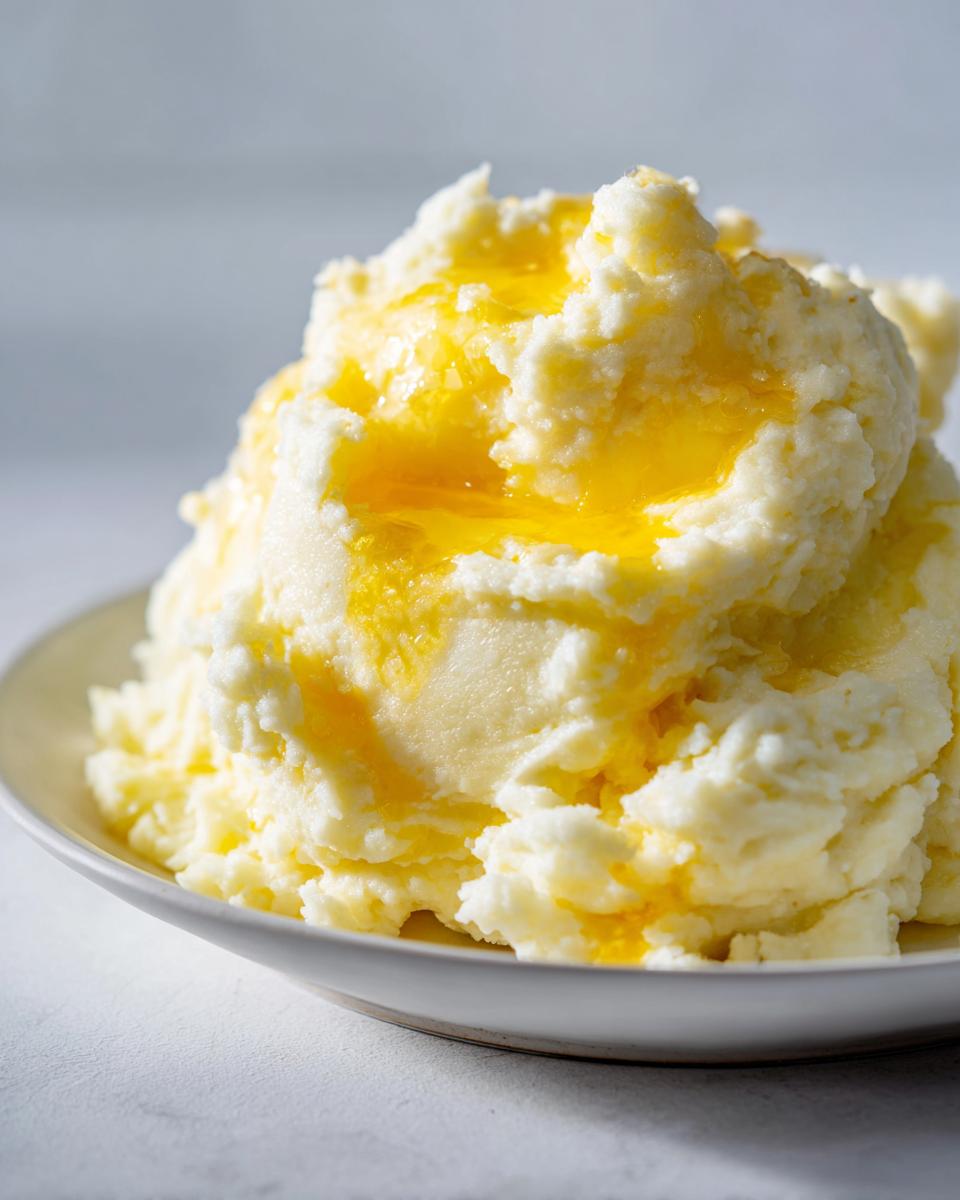
I hear you—sometimes you just need to get a head start, especially when you’re cooking for the holidays! Good news: these potatoes are phenomenal as a make ahead mashed potatoes side. You can absolutely cook them through Step 6 (right before stirring in the sour cream) and then let them cool slightly.
Once cooled, put them into an airtight container. They’ll keep happily in the fridge for about three days. Remember that chilling makes them firm up, so don’t panic when you pull them out!
When it’s time to serve, you need to reheat them gently. Put them back into a pot over low heat with a splash of extra milk or cream—just enough to loosen them up. Stir slowly and carefully, letting them warm through evenly. You don’t want to scorch the bottom, so keep that heat super low. It brings back that beautiful texture without compromising all the hard work we did to keep them fluffy! Planning ahead is a lifesaver, and you can find my recipe for an easy make-ahead cheesy egg bake if you need more casserole prep tips!
Frequently Asked Questions About Creamy Mashed Potatoes
I know you’re hitting those tricky spots because I hit them too while figuring out this recipe over the years! It’s hard when you just want the creamy mashed potatoes without the guesswork. Let’s tackle the top questions I always get about perfecting texture and reheating these beauties.
What is the best tool to achieve smooth mashed potatoes?
If you want the absolute smoothest result possible for your ultimate mashed potatoes recipe, you need to use a potato ricer or a food mill. These tools press the potato through fine holes without squishing the starch together, giving you that restaurant-quality, lump-free texture. Trust me on this one; it saves so much trouble!
If those tools aren’t in your drawer, a hand masher is fine for the initial coarse mash, but *please* stop there and hand-stir in the dairy. Resist the urge to bring out the electric mixer unless it’s the paddle attachment used very briefly on the absolute lowest setting. That’s how you avoid the gluey texture!
Can I use heavy cream instead of milk for my creamy mashed potatoes?
Oh, absolutely, you can! Heavy cream is an amazing substitute if you want to lean even further into that rich buttery mashed potato territory. Since heavy cream has a higher fat content than whole milk, your potatoes will end up feeling even silkier and a little denser, but just as delicious. If you use cream, you might need slightly less of it because it’s thicker than milk, so add it slowly until you reach your desired consistency.
How do I reheat these creamy mashed potatoes without them becoming gummy?
Reheating potato starch is tricky, but totally manageable if you use the right amount of moisture. When you reheat your leftovers, don’t just microwave them straight out of the fridge! Put them in a saucepan over very low heat. Before you turn on the stove, add a splash of extra liquid—either milk or a dollop of broth or even water. Stir very gently while they warm up slowly. This reintroduces the moisture that evaporated during chilling. Keep the heat low, avoid scrambling them, and they’ll come back to that glorious, fluffy mashed potatoes tutorial texture!
Nutritional Estimates for This Comfort Food Potato Recipe
Now, listen, I want to be super clear about this part: I am a home cook, not a registered dietitian! These numbers are just general estimates based on the exact ingredient quantities listed in the recipe above. Take them as a general guide for your comfort food potato recipe, not as gospel truth, okay? Cooking should always be about pleasure first, and worrying over every single gram of fat isn’t fun!
For a standard serving size based on this recipe yielding six generous portions, here is what my calculations generally show for this decadent side dish:
- Calories: Around 310
- Fat: About 18g
- Saturated Fat: Roughly 11g (Remember, we used real butter!)
- Carbohydrates: Roughly 34g
- Protein: Around 5g
We aren’t making diet food here, folks. These are rich, buttery, and meant to be enjoyed responsibly alongside your favorite roast or creamy sausage potato soup. That’s what makes them the ultimate special occasion side!
PrintThe Ultimate Ultra-Creamy Buttery Mashed Potatoes
Achieve perfectly smooth, fluffy, and rich mashed potatoes using this foolproof recipe. We focus on technique and quality dairy to create the best comfort food side dish for any meal or holiday feast.
- Prep Time: 15 min
- Cook Time: 25 min
- Total Time: 40 min
- Yield: 6 servings 1x
- Category: Side Dish
- Method: Boiling and Mashing
- Cuisine: American
- Diet: Vegetarian
Ingredients
- 3 lbs Russet potatoes, peeled and quartered
- 1 cup whole milk, warmed
- 8 tablespoons unsalted butter, cut into pieces
- 4 tablespoons sour cream (or heavy cream for richness)
- 1 teaspoon salt, plus more for boiling water
- 1/2 teaspoon black pepper
Instructions
- Place the peeled and quartered potatoes in a large pot. Cover them with cold water by about one inch. Add 1 tablespoon of salt to the water.
- Bring the water to a boil over high heat. Reduce heat to maintain a steady simmer and cook until the potatoes are completely tender when pierced with a fork, about 15 to 20 minutes.
- Drain the potatoes thoroughly in a colander. Let them sit in the colander for 5 minutes to allow excess steam and moisture to evaporate. This step is key to avoiding watery potatoes.
- Return the drained potatoes to the warm, empty pot. Place the pot over very low heat for 1 minute, gently shaking the pot to dry them further. Remove from heat.
- Add the butter pieces to the hot potatoes. Mash them coarsely with a potato masher until the butter is mostly incorporated.
- Gradually add the warm milk while continuing to mash or gently mix. Mix only until the potatoes are mostly smooth. Do not overmix, as this develops starch and makes them gluey.
- Stir in the sour cream, salt, and pepper until just combined and the texture is ultra-creamy.
- Serve immediately for the best texture.
Notes
- Use Russet potatoes; their high starch content yields the fluffiest results.
- Warm your milk and butter before adding them; cold dairy lowers the potato temperature and results in a gummy texture.
- For the smoothest texture, use a potato ricer or food mill instead of an electric mixer or hand masher. If you must use a mixer, use the paddle attachment on low speed briefly.
- You can prepare these ahead of time. Store covered in the refrigerator and reheat gently on the stovetop with a splash of extra milk.
Nutrition
- Serving Size: 1 serving
- Calories: 310
- Sugar: 3
- Sodium: 450
- Fat: 18
- Saturated Fat: 11
- Unsaturated Fat: 7
- Trans Fat: 0
- Carbohydrates: 34
- Fiber: 4
- Protein: 5
- Cholesterol: 45