

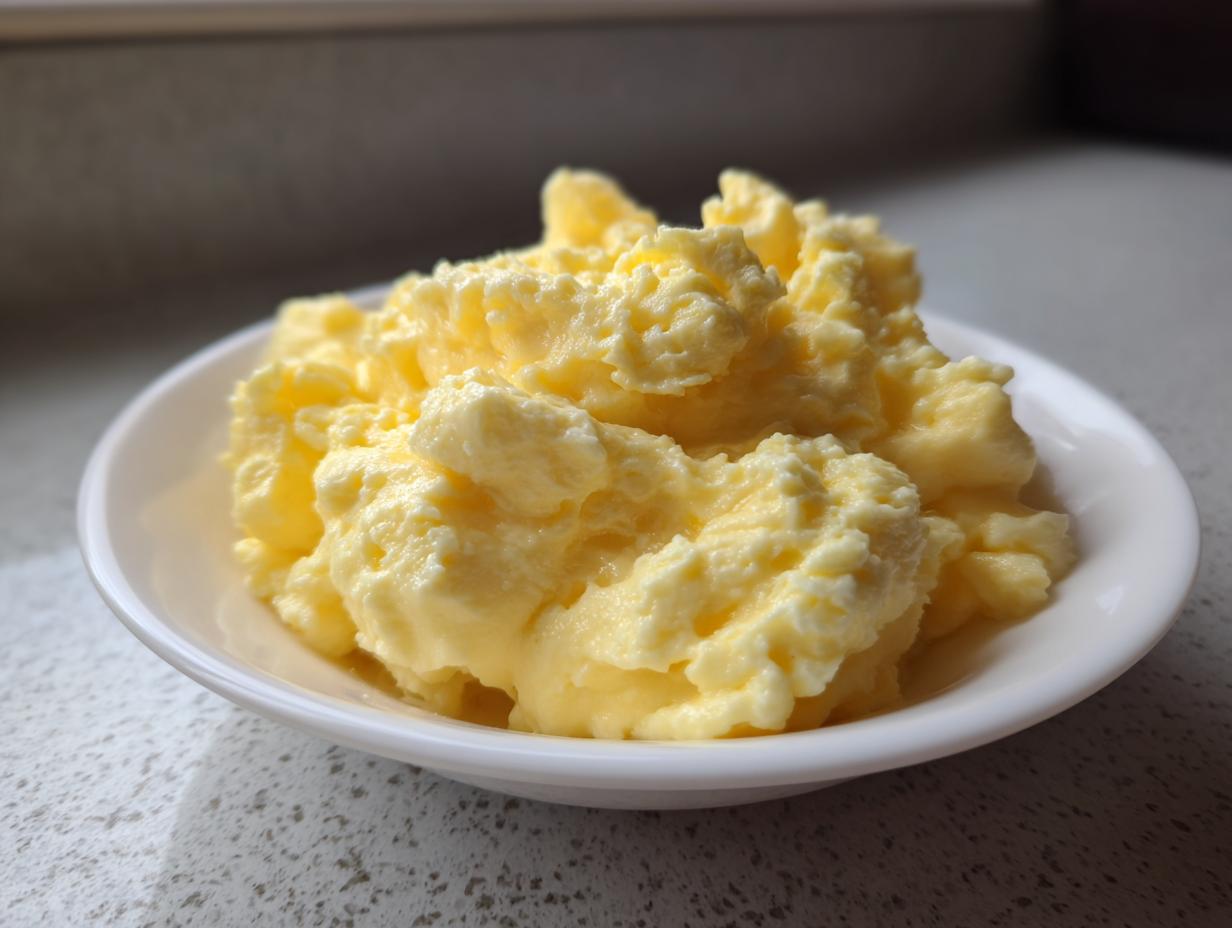
Oh, if I had a dollar for every rubbery, sad, dry-as-sawdust batch of scrambled eggs I’ve seen people serve for breakfast! It happens to the best of us. I remember trying to rush a fast breakfast one morning, cranked the heat high, and ended up with eggy confetti that tasted more like a rubber band. Not good! But listen, making magnificent, restaurant-style scrambled eggs—the kind that are impossibly fluffy and velvety creamy—isn’t some professional secret. It’s just about slowing down. This technique, which I’ve refined right here in my own kitchen, is all about low heat and patience. Trust me, we’re going to elevate your everyday cooking with what I promise is the best way to make scrambled eggs you can manage in under ten minutes. If you’re looking for more simple morning wins, check out my collection of easy breakfast recipes. You’ve got this!
- Why This Low-Heat Method Makes the Best Scrambled Eggs
- Gathering Ingredients for Creamy Scrambled Eggs Technique
- Step-by-Step Instructions for Perfect Soft Scrambled Eggs
- Tips for How to Cook Buttery Eggs Like a Pro
- Serving Suggestions for Your Restaurant Style Eggs at Home
- Storage and Reheating Instructions for Scrambled Eggs
- Variations: Customizing Your Easy Breakfast Eggs
- Frequently Asked Questions About Making Scrambled Eggs
- Start Cooking Your Best Scrambled Eggs Today
Why This Low-Heat Method Makes the Best Scrambled Eggs
If you want those incredible, silky smooth eggs you see on fancy brunch menus, you absolutely have to ditch the blast-furnace heat. High heat is the enemy! When you cook eggs too fast, the proteins seize up instantly. That’s what causes tough, chewy, rubbery results—nobody wants that for their morning meal. If you’re looking for more simple morning wins beyond just eggs, check out my collection of easy breakfast recipes!
This method focuses entirely on low heat egg cooking. We’re aiming for the beautiful, small, folded curds that define truly great eggs. These little pockets of tenderness are what give you those amazing velvety egg texture secrets people rave about. It’s not about speed here; it’s about gentle persuasion.
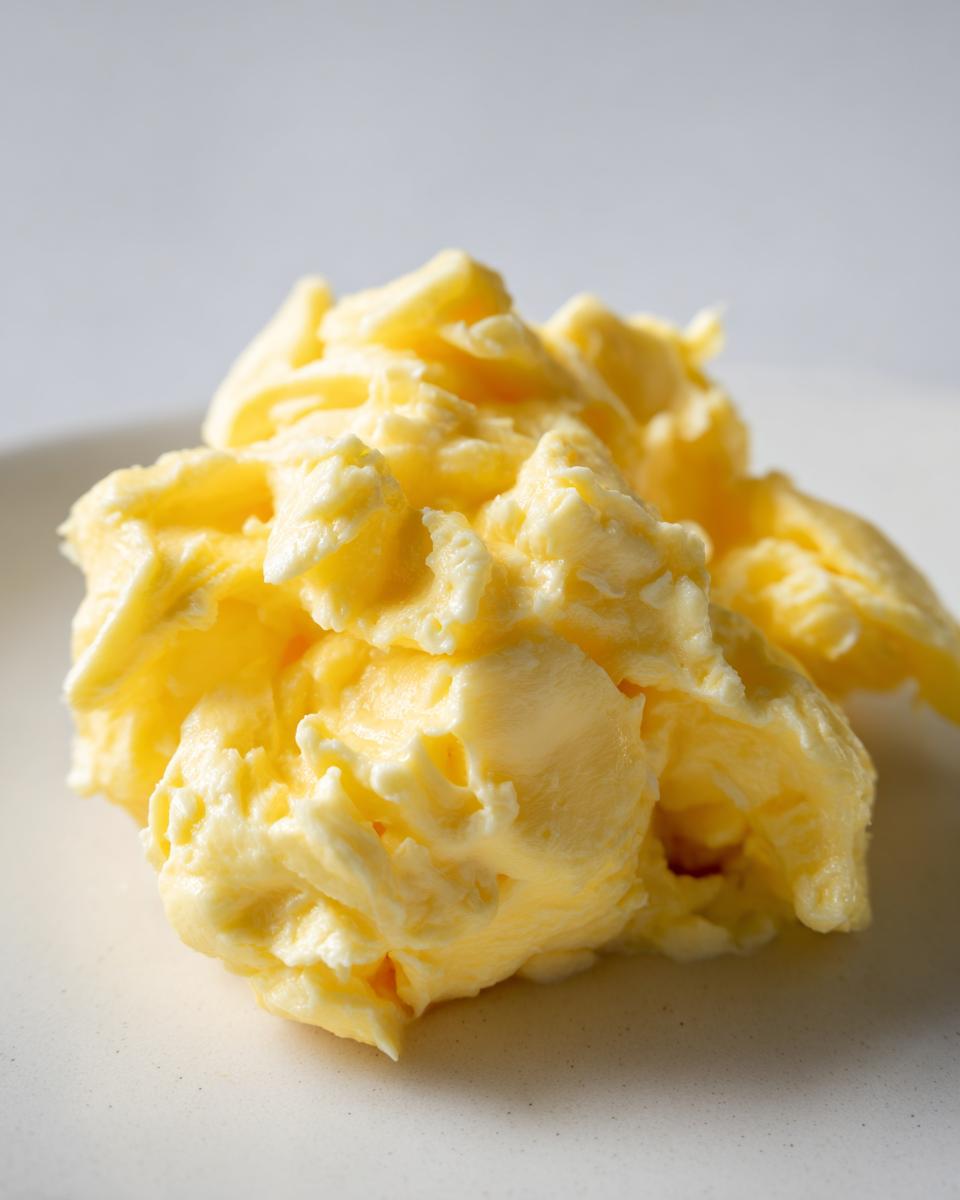
The Secret to Fluffy Scrambled Eggs Recipe Success
The key here is movement, my friend. You pour in your seasoned eggs, let them sit for just a breath until they barely start setting at the bottom, and then you gently push and fold them. Imagine you are caressing the eggs into shape, not savagely stirring them! I seriously only use my best non-stick pan for this because you need the eggs to slide easily against the surface. That gentle friction and low temperature create tiny, perfectly cooked curds. That’s the foundation for a stunning fluffy scrambled eggs recipe, every single time.
Gathering Ingredients for Creamy Scrambled Eggs Technique
Okay, so for this technique to work its magic, we need the right building blocks. Don’t go grabbing the milk carton; we need the good stuff for these luxurious scrambled eggs. Since we are focusing on the creamy scrambled eggs technique, every single ingredient counts when we’re aiming for that gourmet feel right at home.
- 6 large eggs
- 3 tablespoons heavy cream
- 1 tablespoon unsalted butter
- 1/4 teaspoon fine sea salt
- Pinch of black pepper
See that heavy cream? That’s what gives us that wonderfully rich, coating texture. Now, for my favorite little trick from the notes: if you have an extra teaspoon of cold, unsalted butter handy, save it! I know it seems weird, but setting it aside means you can stir that final spoonful in *after* you take the pan off the heat. It chills the mixture just enough to stop the cooking process instantly while adding an amazing, buttery sheen. That’s how you get that restaurant quality finish!
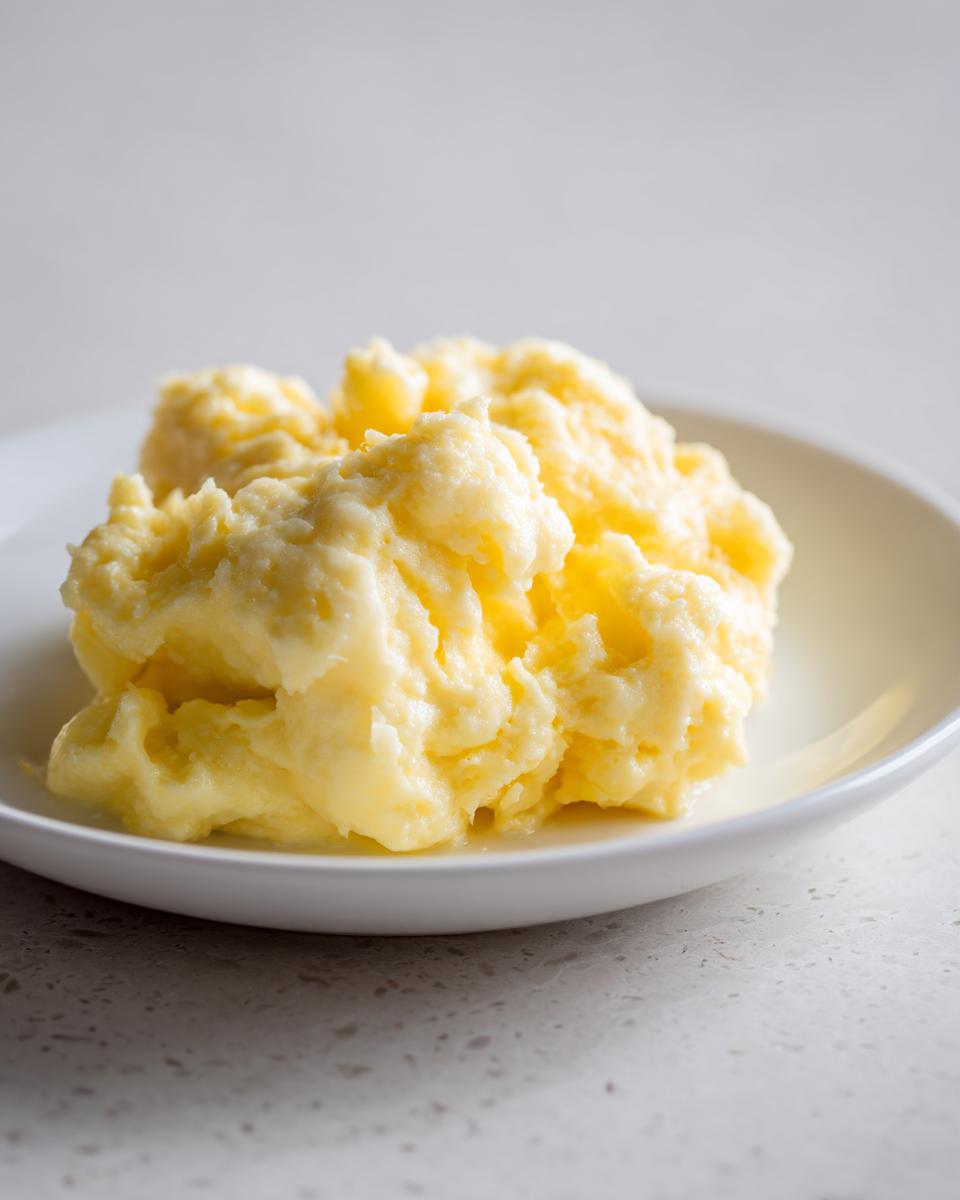
Ingredient Clarity and Preparation for Scrambled Eggs
Before anything hits the pan, let’s talk about your eggs. You’ll whisk them right up with the heavy cream, salt, and pepper. But here’s a critical point for achieving the creamy scrambled eggs technique: don’t whisk them into a total froth! You want them well combined, maybe a little pale yellow, but you don’t want a huge cloud of white foam on top. Too much air incorporated now can make the eggs cook up too fast and light instead of the slow, dense creaminess we’re aiming for.
Step-by-Step Instructions for Perfect Soft Scrambled Eggs
Now for the fun part—turning that creamy, pale liquid into absolute perfection! Remember, we are going slowly. If you try to rush these, you’ll end up with tough eggs, and we worked too hard mixing them perfectly to let that happen! If you’re looking for more simple morning wins beyond just eggs, check out my collection of easy breakfast recipes.
First thing: get your medium bowl whisked mixture and your non-stick skillet ready. Place that skillet over medium-low heat. I mean medium-low—don’t let it get screaming hot! Add your tablespoon of butter, and let it melt completely until it just starts foaming up a little bit. That’s your signal.
Pour in all your egg mixture. Now, this is important for getting perfect soft scrambled eggs: let them sit there, totally still, for about 30 seconds. See the edges? They should just be starting to grab the pan. Then, grab your rubber spatula—heat resistant is best—and start gently pushing the cooked edges toward the middle. Tilt that pan so the gorgeous liquid egg flows right underneath what you just cooked.
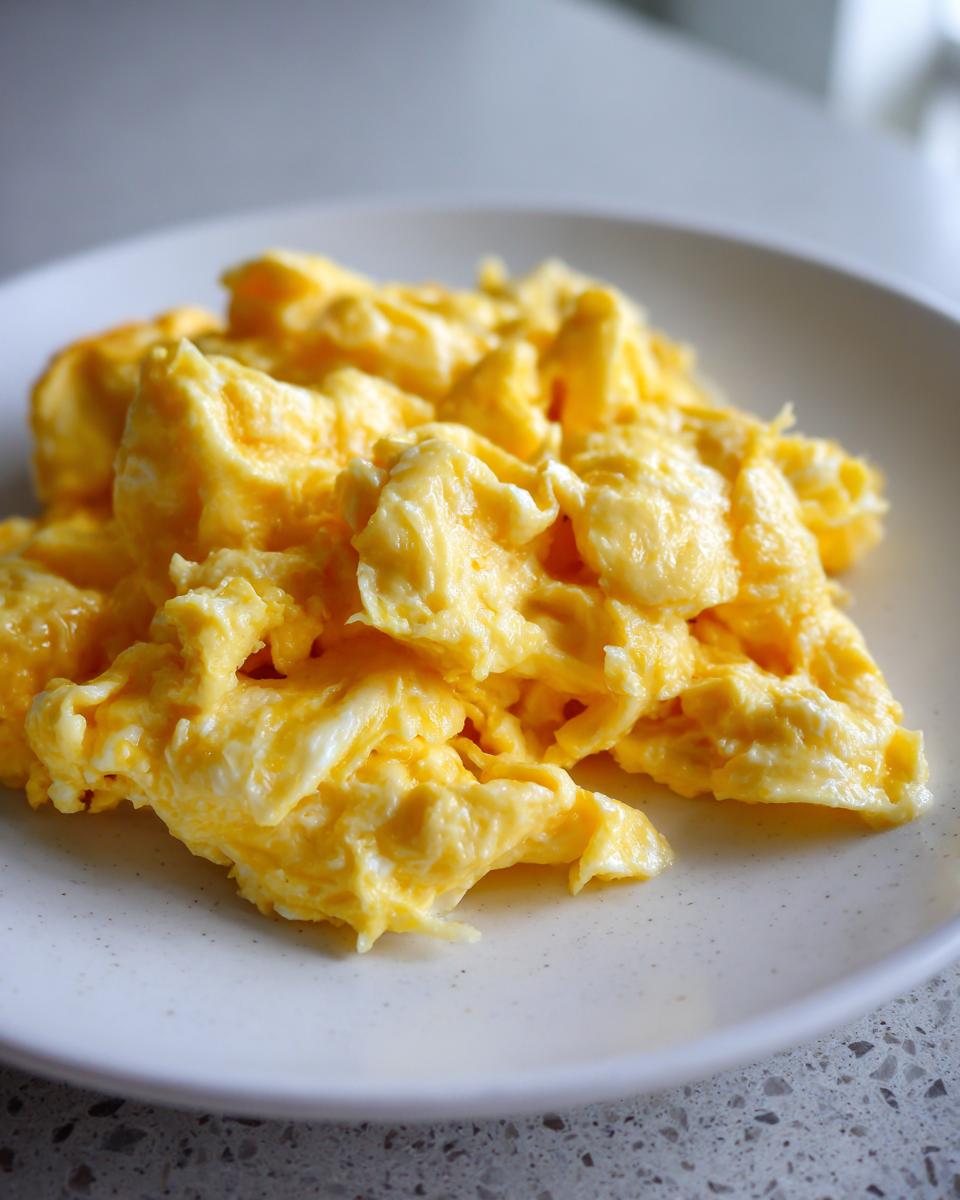
You keep doing that slow pushing and folding motion all over the surface. Think of it like gently combing the eggs smooth. Keep that heat low! You’re waiting for the moment when the eggs look mostly set but still wet and glossy, almost like they are wet velvet. That’s your cue! Pull the whole pan right off the burner. The heat left in the pan is powerful enough to finish the job without turning them rubbery. Once they are off the heat, stir in your salt and pepper, and serve them up right away on warm plates!
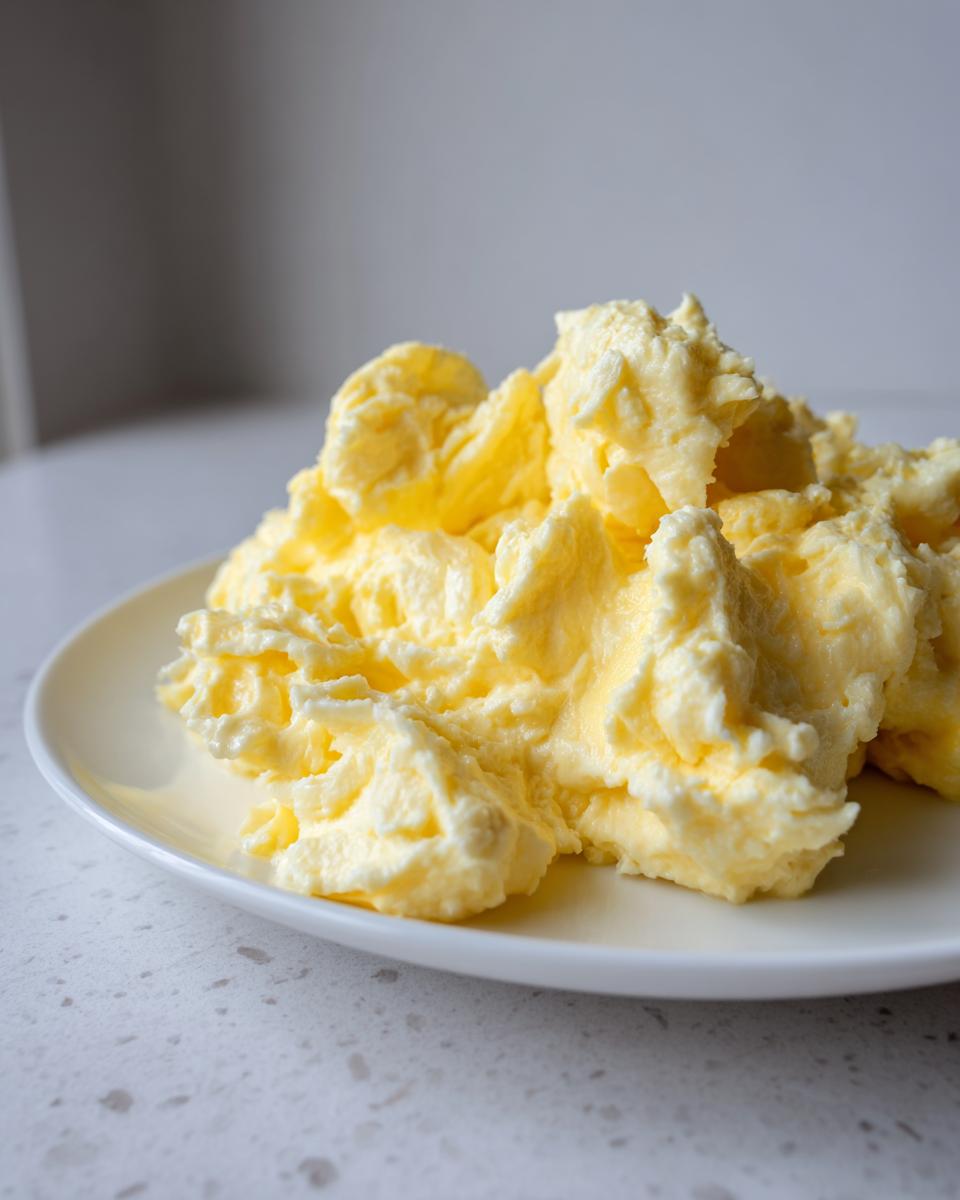
Mastering the Low Heat Egg Cooking for Creamy Texture
I can’t stress this enough: the finish line for these eggs is before they look finished! This is the single most common place people mess up their scrambled eggs. Seriously, if you wait until the eggs look traditionally ‘done’ in the pan, when they hit your plate, they will overcook instantly from the retained heat. You must pull them when they are still shiny and look a little too wet for your preference.
This slight undercooking is the whole point of the low heat egg cooking technique! That residual heat does the final work, creating those phenomenal, small, soft curds instead of big, dry chunks. It’s the difference between a microwave omelet and something you’d happily pay $18 for at a cafe. Practice getting comfortable with that glossy, wet look—it’s your key to creaminess!
Tips for How to Cook Buttery Eggs Like a Pro
So, you’ve mastered the low and slow method, but how do we push these into absolute gourmet territory? That little leftover teaspoon of cold butter I mentioned? That’s how you truly nail how to cook buttery eggs like a pro when making scrambled eggs. I learned this trick the hard way, actually. Years ago, I was trying to cook these for a brunch and got distracted by the door. When I stirred them back in, they looked slightly dull. I dumped a tiny knob of cold, unsalted butter in, just stirring until it melted, and *wow*. That final addition brightened the color and kicked the richness up tenfold without making them greasy.
Another pro move is seasoning timing. Notice how we only add the salt and pepper right at the very end, after they come off the heat? Salt draws moisture out, so if you add it too early, you start fighting your own goal of creamy texture! Wait until they are perfectly cooked, then stir in that salt and pepper. Instant flavor pop without compromising that beautiful, velveteen texture we worked so hard for!
Serving Suggestions for Your Restaurant Style Eggs at Home
Alright, you’ve achieved the impossible: scrambled eggs that look like they were whipped up by a chef with a tiny blowtorch! Now, you can’t just dump these gorgeous, creamy clouds onto a standard piece of white bread, can you? Not if we’re going for that full restaurant style eggs at home vibe this recipe promises.
These eggs are elegant enough to carry a whole brunch spread, so let’s treat them right! They are fantastic served simply atop a thick slice of toasted sourdough—and hear me out, take that toast and brush it lightly with olive oil before you toast it. It sounds fancy, but it’s so easy!
For that real lift, you always need fresh elements. A light sprinkling of finely chopped chives or some thinly sliced green onions on top makes the color pop! If you’re feeling really ambitious and want to make this a centerpiece for your weekend meal, definitely go for the gourmet brunch eggs route. Think about slicing up some ripe avocado and fanning it out beside the eggs, or maybe even serving them alongside some crispy smoked salmon if you’re feeling decadent.
Honestly, these eggs are so rich and velvety, they don’t even need much else. Sometimes, I just make a big bowl of them and pair them with one of my other favorite easy sides, like my easy homemade rice pilaf, weirdly enough, because the savory bite cuts through the creaminess perfectly! Either way, plate them immediately, and congratulate yourself—you just made hotel-quality breakfast!
Storage and Reheating Instructions for Scrambled Eggs
Okay, let’s be real. Sometimes you make a masterpiece, and there are just a couple of spoonfuls left over. Or maybe you cooked a big batch for brunch and need to save some for tomorrow. I won’t judge! But when it comes to these super-creamy, low-heat scrambled eggs, storage is tricky. They were designed to be eaten immediately, that’s for sure. If you absolutely must save them, you have to treat them gently!
Number one rule: the fridge is only for the very best-case scenario, and only for a short time. Put your leftovers into a completely airtight container, and try to eat them within 24 hours, max. Any longer than that, and that gorgeous velvety texture starts to break down. Frankly, once these eggs cool down, they get a bit dense, which is just the nature of rich, creamy eggs losing their heat.
Now, reheating them! Never, ever try to microwave these. That’s how you turn them instantly back into tough, sad rubber. If you want to salvage these precious eggs, you need to use the same philosophy we used making them: low and slow.
Take them out of the fridge about 20 minutes ahead of time. When you’re ready to eat, put a tiny non-stick pan over the absolute lowest heat setting—think barely warm. Add a tiny pat of butter, and then drop the cold eggs in gently. As they warm up, add just a splash—maybe a teaspoon—of cold heavy cream or whole milk. Stir them constantly and slowly until they are just warmed through. Don’t let them sit long enough to start steaming hard. This reintroduction of fat and gentle warmth helps them relax back into a softer consistency. It rebuilds that moisture and keeps us from fighting that awful texture!
Variations: Customizing Your Easy Breakfast Eggs
One of the greatest things about mastering the basic technique for scrambled eggs—especially the low-heat method—is how versatile it becomes! Once you understand the physics of gentle cooking, you can start playing around without the fear of ruining the whole batch. This simple recipe is a perfect base for your own ideas, whether you need a quick savory bite or something heartier for a high-protein start to your day. Think of this as your launchpad for incredible easy breakfast eggs!
We can easily turn this into a cheesy scrambled eggs tutorial, and the timing is crucial here. If you love cheese, wait until the eggs are almost done—when they look glossy and you are just pulling the pan off the heat—then sprinkle in your favorite shredded cheese (sharp cheddar or Gruyère are my picks!). Fold it in just enough for it to melt beautifully without further cooking the eggs through. That final melt keeps them creamy, not stringy!
If you’re looking for high protein egg breakfast ideas, you have a couple of great options. You can whisk in a spoonful of cottage cheese right along with the heavy cream during the initial mix. It melts down and actually helps create even fluffier layers, which is a fantastic trick! Or, for something simpler, stir in some diced, cooked ham or spinach right when you pull them off the heat. Adding cooked protein at this stage ensures it doesn’t dry out while you are patiently folding them in the pan.
And don’t forget the finishing herbs, friends! They are flavor ninjas. Fresh snipped herbs like parsley or dill added right when seasoning gives the eggs such a clean, bright flavor that truly elevates them out of the boring breakfast category. Plus, they look amazing for those times you want to take a great picture of your homemade comfort food breakfast!
Frequently Asked Questions About Making Scrambled Eggs
I know you’ve got questions! When you start using a totally new approach, especially one that involves fighting the urge to crank up the heat, you want confirmation that you’re on the right track. Worry not! I’ve gathered the most common things folks ask when they are trying to switch over to making the absolute best way to make scrambled eggs. If you’ve mastered this technique, you’re already leagues ahead of folks still scraping burnt edges off their skillets!
Can I use milk instead of heavy cream in scrambled eggs?
You absolutely can, but let me be completely honest with you: they won’t be the same glorious, rich eggs we made above. Milk has less fat, and that fat is what gives us that luscious, coating feel that makes the texture so incredible. If milk is all you have, it’ll still work for an easy breakfast eggs dish, but to nail that velvety look, heavy cream is really what you want!
How do I prevent my scrambled eggs from getting tough?
This is the question I hear the most! The biggest secret to avoiding tough eggs—which directly solves the problem of how to avoid tough scrambled eggs—is resisting the urge to cook them completely in the pan. You must pull them off the heat when they still look shiny and slightly wetter than you think is necessary. It’s that residual heat that gently cooks them to perfection on the plate, preserving that soft curd structure. Be patient; patience equals fluffiness!
What is the best pan to use for creamy scrambled eggs?
Seriously, toss out any old metal pan if you’re making these! My absolute go-to is a heavy-bottomed, quality non-stick skillet. You need a surface that lets those soft curds slide and fold without grabbing or sticking. If the eggs stick, you’re forced to stir aggressively, and aggressive stirring breaks down the structure we’re trying to build for that perfect creamy scrambled eggs technique. A good non-stick pan makes the gentle folding required for this foolproof, even if you’re looking for more easy breakfast recipes.
Start Cooking Your Best Scrambled Eggs Today
Now that you know the trick to the low-heat cook, what are you waiting for? Get those eggs cracked! Grab your heavy cream, find your best non-stick pan, and give this technique a try tomorrow morning. I really want to know what you think—did you achieve that perfect, velvety texture? Let me know down in the comments if this changed how you see breakfast forever! If you want to learn more about my journey and philosophy in the kitchen, check out my About Page.
PrintThe Best Fluffy and Creamy Scrambled Eggs: A Simple Technique
Learn the simple, low-heat technique to make restaurant-style scrambled eggs that are perfectly soft, velvety, and fluffy every time. This easy breakfast recipe avoids tough, rubbery results.
- Prep Time: 3 min
- Cook Time: 7 min
- Total Time: 10 min
- Yield: 2 servings 1x
- Category: Breakfast
- Method: Stovetop Cooking
- Cuisine: American
- Diet: Vegetarian
Ingredients
- 6 large eggs
- 3 tablespoons heavy cream
- 1 tablespoon unsalted butter
- 1/4 teaspoon fine sea salt
- Pinch of black pepper
Instructions
- In a medium bowl, whisk the eggs and heavy cream together until the mixture is uniform and slightly frothy. Do not over-whisk.
- Place a non-stick skillet over medium-low heat. Add the butter and let it melt completely until it foams slightly.
- Pour the egg mixture into the skillet. Let the eggs sit undisturbed for about 30 seconds until the edges just begin to set.
- Using a heat-resistant rubber spatula, gently push the cooked egg from the edge toward the center, tilting the pan so the uncooked egg flows underneath.
- Continue this slow pushing and folding motion across the entire surface of the pan. Keep the heat low to ensure slow cooking.
- When the eggs are mostly set but still look wet and glossy (this is key for creamy texture), remove the pan from the heat immediately. The residual heat will finish the cooking.
- Stir in the salt and pepper. Serve the perfect soft scrambled eggs immediately on warm plates.
Notes
- For extra richness, you can add 1 teaspoon of cold butter right after removing the pan from the heat and stir it in quickly.
- If you prefer slightly firmer curds, cook for one minute longer before removing from the heat.
- Always use a non-stick pan for the best results when making creamy scrambled eggs.
Nutrition
- Serving Size: 1 serving
- Calories: 280
- Sugar: 1
- Sodium: 250
- Fat: 22
- Saturated Fat: 12
- Unsaturated Fat: 10
- Trans Fat: 0.5
- Carbohydrates: 2
- Fiber: 0
- Protein: 18
- Cholesterol: 550