

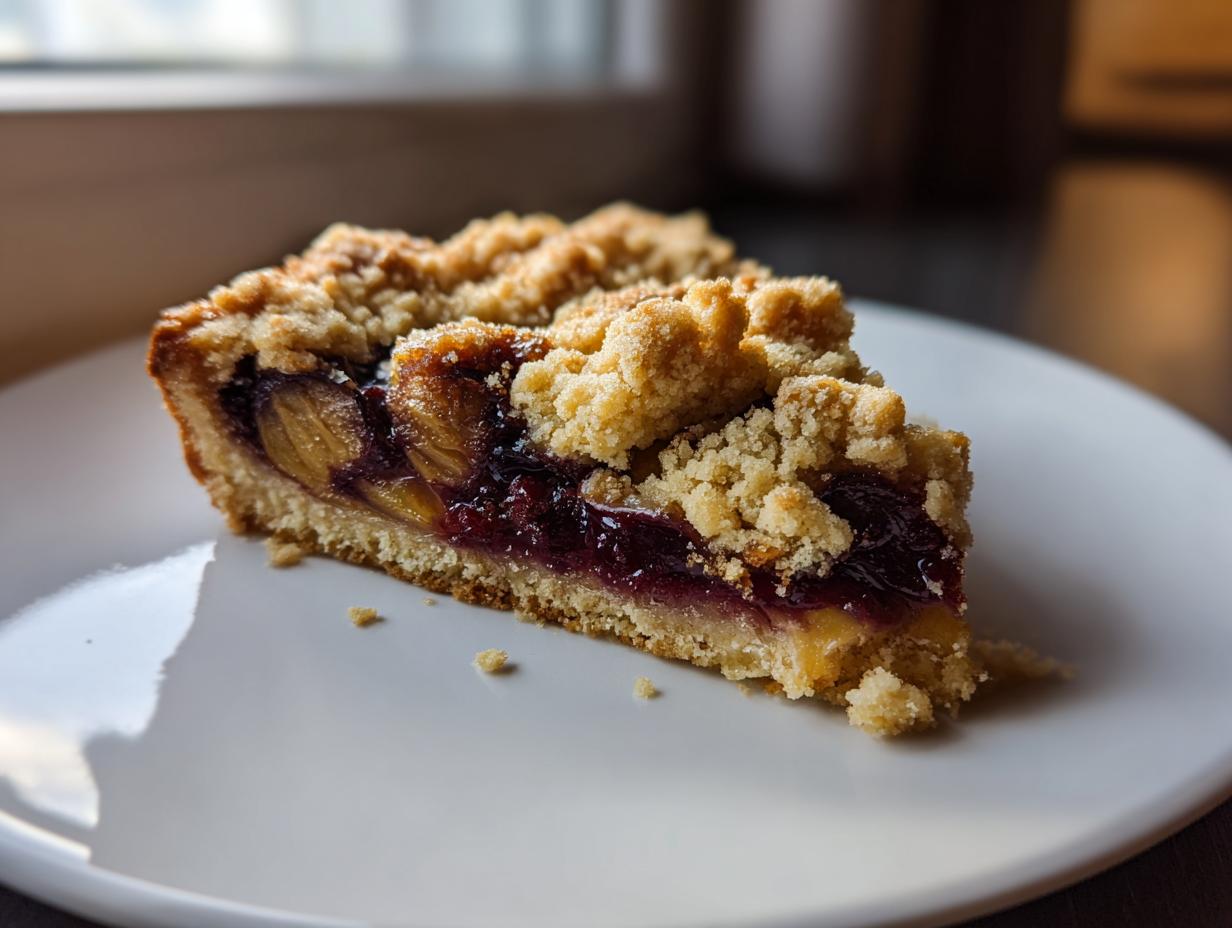
There’s just nothing that signals the end of summer and the beginning of cozy evenings like pulling a fruit-heavy, spiced cake out of the oven, right? If you love seasonal baking, then you absolutely have to master the German plum cake, or what the locals call Pflaumenkuchen. My goal here at Cooking Zenith has always been to bring you those truly authentic tastes, and this recipe is the real deal—it uses a classic yeast dough base, not just a simple batter. Trust me, understanding the heart of traditional European baking, like my grandmother taught me, elevates this cake from good to unforgettable.
This recipe, which shines when made with those beautiful, oblong Italian prune plums, gives you that perfect mix: a slightly chewy, tender base contrasted with tart, warm fruit and a buttery crunch on top. I’ve poured all my testing into making sure this traditional german plum cake recipe is foolproof for you!
If you want to dive straight into the full baking process, you can check out all the specifics here: Full German Plum Cake Tutorial.
- Why This Traditional german plum cake recipe Works So Well
- Essential Ingredients for Authentic german plum cake
- Step-by-Step traditional german plum cake recipe Instructions
- Tips for Success with Your homemade german plum cake Guide
- Variations on the Classic german plum cake
- Serving Suggestions for Your german plum cake
- Storage and Reheating Instructions for german plum cake
- Frequently Asked Questions About german plum cake
- Nutritional Estimates for This Seasonal german dessert
- Nutritional Estimates for This Seasonal german dessert
Why This Traditional german plum cake recipe Works So Well
I know there are recipes out there that let you just mix and pour, but if you want the real deal—the authentic experience—we need to talk about structure first. This isn’t just a fruit slab; it’s a carefully balanced texture adventure, and that’s why the yeast dough is non-negotiable for me.
-
The Importance of Yeast Dough in a german plum cake
Forget cake mixes for a second. The lightly chewy, almost bread-like quality of a proper yeast dough gives this pflaumenkuchen the structure it needs. It supports the weight of all those juicy plums without collapsing into a soggy mess. It creates a slight chewiness that works magic against the sweet softness of the fruit layer.
-
Perfecting the Zwetschgenkuchen with Streusel Topping
Next up is the topping! The buttery, crumbly texture of the streusel is what brings everything home. It provides that necessary sweet crunch that cuts through the tartness of the plums. Seriously, the zwetschgenkuchen with streusel topping is what makes this dessert so much better than just baked fruit on pastry.
Essential Ingredients for Authentic german plum cake
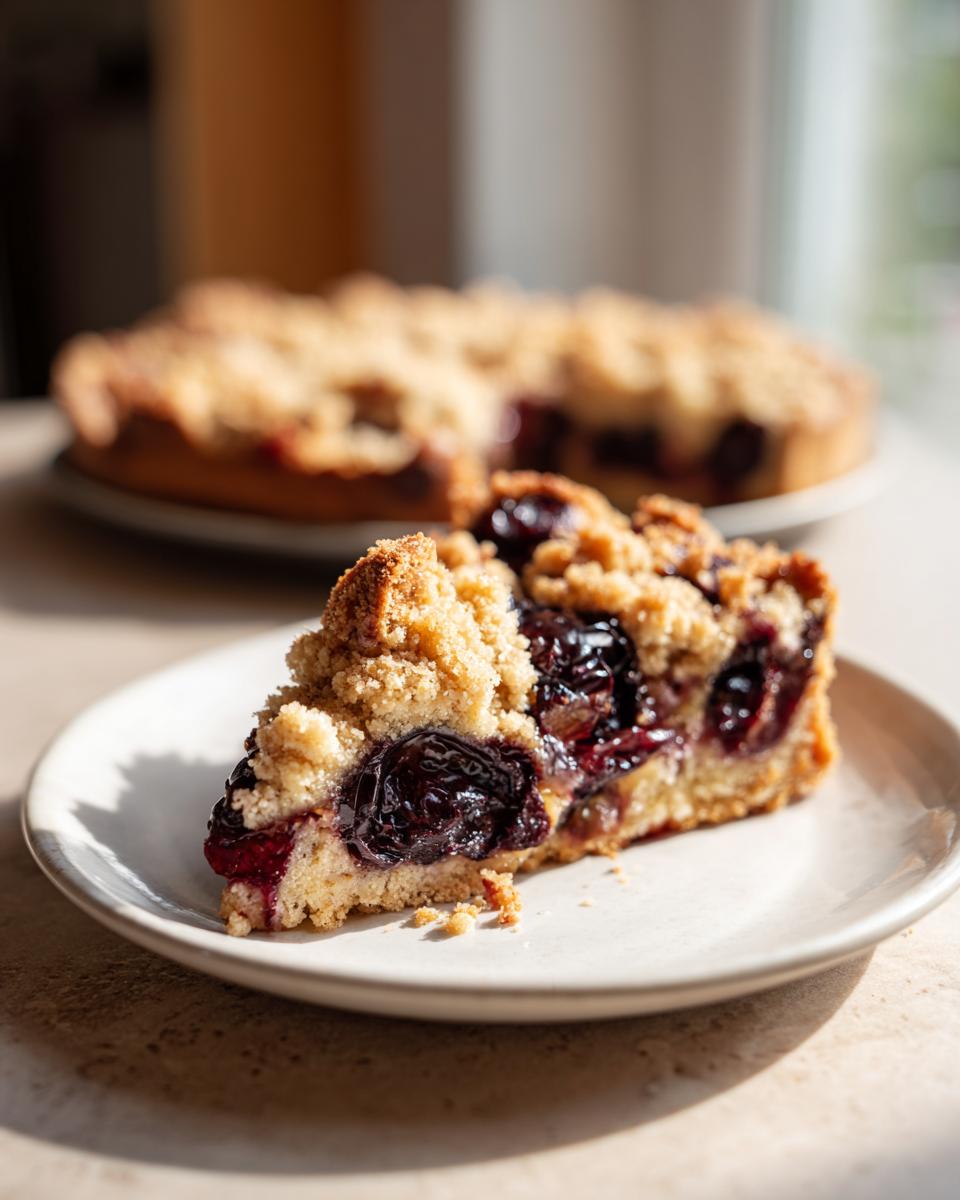
Okay, getting the right ingredients is half the battle won, especially when we are aiming for that classic German flavor profile. You can’t just substitute willy-nilly here; precision matters, especially with the dough! I’ve broken everything down by component so you can easily check your pantry. If you’re looking for bread-making tips as you tackle this yeast dough, I have a great guide on kneading techniques you might want to look at.
-
Dough Components
For the base, you need 1 cup of warm milk—and I mean *warm*, about 105 to 115°F, otherwise your yeast won’t wake up! You need the dry active yeast, of course, plus 1/4 cup of sugar (and that extra teaspoon for the yeast bath). Don’t skimp on the butter here; we need 4 tablespoons melted. Remember that one large egg must be at room temperature so it incorporates smoothly into the richer dough.
-
Fruit Preparation for german plum cake
This is non-negotiable for that authentic taste: you must use Italian prune plums, or the German Zwetschgen. They are firmer and less watery than other varieties, which keeps that dough sturdy. You’ll need about 2 pounds, halved and pitted, naturally. Toss them gently with 1/4 cup sugar, a bit of lemon juice to keep the color bright, and just half a teaspoon of cinnamon. That’s it!
-
Buttery Streusel Topping Ingredients
When it comes to the streusel, the temperature of the butter is the absolute secret weapon. Grab 1 cup of flour and 1/2 cup of light brown sugar. Then, cut in 1 full stick (1/2 cup) of *cold* unsalted butter that you’ve already diced into little chunks. We mix this just until it looks like coarse sand. Keep that topping cold until the very last minute so it bakes up beautifully crunchy!
Step-by-Step traditional german plum cake recipe Instructions
Alright, let’s get baking! This process has a few moving parts since we’re using a yeast dough, but honestly, it’s so rewarding. Make sure you have your space set up because we’ll be moving from activation to assembly pretty quickly once things start happening. If you’re nervous about mixing up liquids and fats for other projects, remember the method I use for creamy dressings; it’s all about patience, which you can read about here, but for dough, we actually want distinct separation at first!
-
Activating Yeast and Mixing the Dough
First things first: wake up that yeast! Mix your warm milk (remember, 105-115°F, just warm like a nice bath, not hot!), the yeast, and one teaspoon of that sugar. Wait about ten minutes until it gets happy and foamy—that nice bubble layer tells you it’s ready to go to work. While that sits, whisk your salt and flour together in your biggest bowl. Once the yeast is active, make a little well in your flour mix and dump in the foaming milk, the rest of the sugar, the melted butter, and your room-temp egg. Just stir it until it looks like a messy, shaggy ball. Don’t worry if it looks ugly!
-
Kneading and First Rise for german plum cake
Now, get those hands dirty! Turn that shaggy mess out onto a lightly floured surface. You need to knead this dough for a solid 5 to 7 minutes. You are looking for it to feel smooth and actually spring back a little when you poke it—that’s the gluten developing perfectly. Once it’s smooth, pop it into a lightly oiled bowl, cover it up, and let it rest in a warm spot for a full hour to an hour and a half. You want it doubled in size. Don’t rush this part; that rise is what gives us that beautiful texture.
-
Preparing Fruit and Streusel Topping
While that dough is doing its thing, focus on your toppings! Wash, halve, and pit all those beautiful Italian prune plums. Toss them with the cinnamon and the 1/4 cup of sugar and a tiny squeeze of lemon juice; set them aside to macerate. Now, make your streusel component: mix the flour and brown sugar, then cut in the *cold*, cubed butter until you have those perfect coarse crumbs. Pop that bowl in the fridge to keep it cold while you deal with the dough again. This attention to temperature when baking with Italian prune plums really helps keep everything stable!
-
Assembling and Baking the german plum cake
When the dough is doubled, gently punch the air out and roll it into a 10×15 inch rectangle right on your parchment paper. Transfer that to your sheet pan and let it rest for a quick 15 minutes—this lets the gluten relax so it doesn’t fight you! Arrange the plum halves cut-side up, packed tightly together. Then, grab that cold streusel and sprinkle it evenly over everything. Preheat that oven to 375°F (190°C). Bake it for 35 to 45 minutes. You’ll know it’s done when the crust is golden brown and those plums look soft and jammy.
Tips for Success with Your homemade german plum cake Guide
Look, I get it. Working with yeast dough and fresh, juicy fruit all at once can feel a little intimidating, kind of like trying to manage wild dough while simultaneously worrying about liquid seeping everywhere. But that’s why I’m here! Mastering this homemade german plum cake guide is all about controlling moisture and temperature. If you want that perfect contrast between the soft interior and the crisp topping, you need to pay attention to these little details. If you’ve ever wondered how folks manage to get those perfectly crisp exteriors on things like soft pretzels, sometimes chilling helps there too—I actually found some great tips for that when I was perfecting pretzel dogs!
-
Plum Selection and Placement
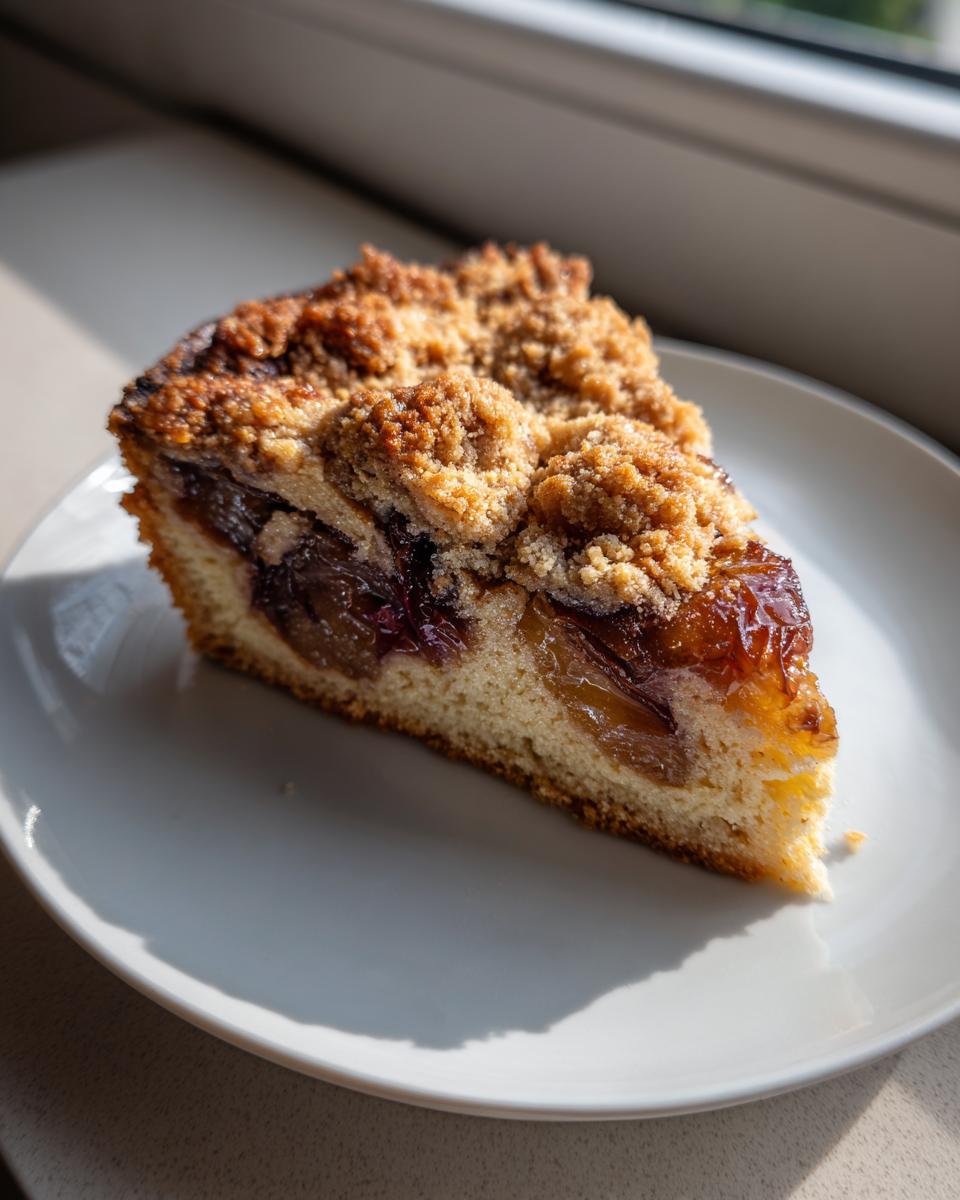
I can’t stress this enough: use those firm Italian prune plums! If your plums are really soft or overly ripe, they’ll release too much water and steam the dough underneath, giving you that dreaded soggy bottom. When you arrange them on the dough, don’t be shy! Shingle them—that means overlapping them slightly, cut-side up, so they look like little tiled roof pieces. As they bake, they shrink just a bit and settle in beautifully, creating that classic, dense fruit layer without leaving giant gaps.
-
Achieving the Best Streusel Texture
This is definitely where many people go wrong with their Zwetschgenkuchen. If your kitchen is running warm, or if you were kneading the dough for a long time, your streusel butter might have softened already. If that happens, just stick the whole bowl of streusel mixture into the fridge for 15 minutes before you try to sprinkle it. Remember, we want pebble-sized crumbs, not flour paste! The moment you see the butter start to smear instead of crumble when you rub it between your fingers, stop mixing immediately. Cold butter equals crunchy topping, guaranteed.
Variations on the Classic german plum cake
Now, I have given you the absolute gold standard for a traditional german plum cake recipe—the one that tastes like I just brought it back from a trip to Stuttgart. But I know sometimes you don’t have 90 minutes dedicated just to the rising time, life happens! That’s totally fine. This fruit-and-crumb format is super versatile, and we can definitely play around with it while still keeping that delicious, moist cake feel you expect from excellent baking recipes.
-
Switching the Base: Yeast Dough versus Shortcrust
If you look at other recipes, you’ll often see a simple shortcrust pastry base instead of the enriched yeast dough I used above. The difference is texture! My yeast dough gives you that slightly savory, soft ‘bread’ quality beneath the fruit, which I adore. If you opt for a shortcrust—think of a basic pie dough, maybe even a mix you grab pre-made—the result will be firmer, a bit more like a tart or a cookie base. It’s quicker, yes, but you lose that wonderful German chewiness. It’s a perfectly fine shortcut if you’re running short on time!
-
Other Seasonal Fruit Options
While those Italian prune plums are king for Pflaumenkuchen, you absolutely should experiment when the season changes! This entire concept works wonderfully for other late summer and early autumn fruits. Think about firm apricots—they offer a similar tartness that pairs divinely with the sweet streusel. You can also use firm cherries or plums that are slightly less tart than the standard Zwetschgen. It transitions beautifully into fantastic simple sheet cake fruit recipes that feel special without being complicated.
Serving Suggestions for Your german plum cake
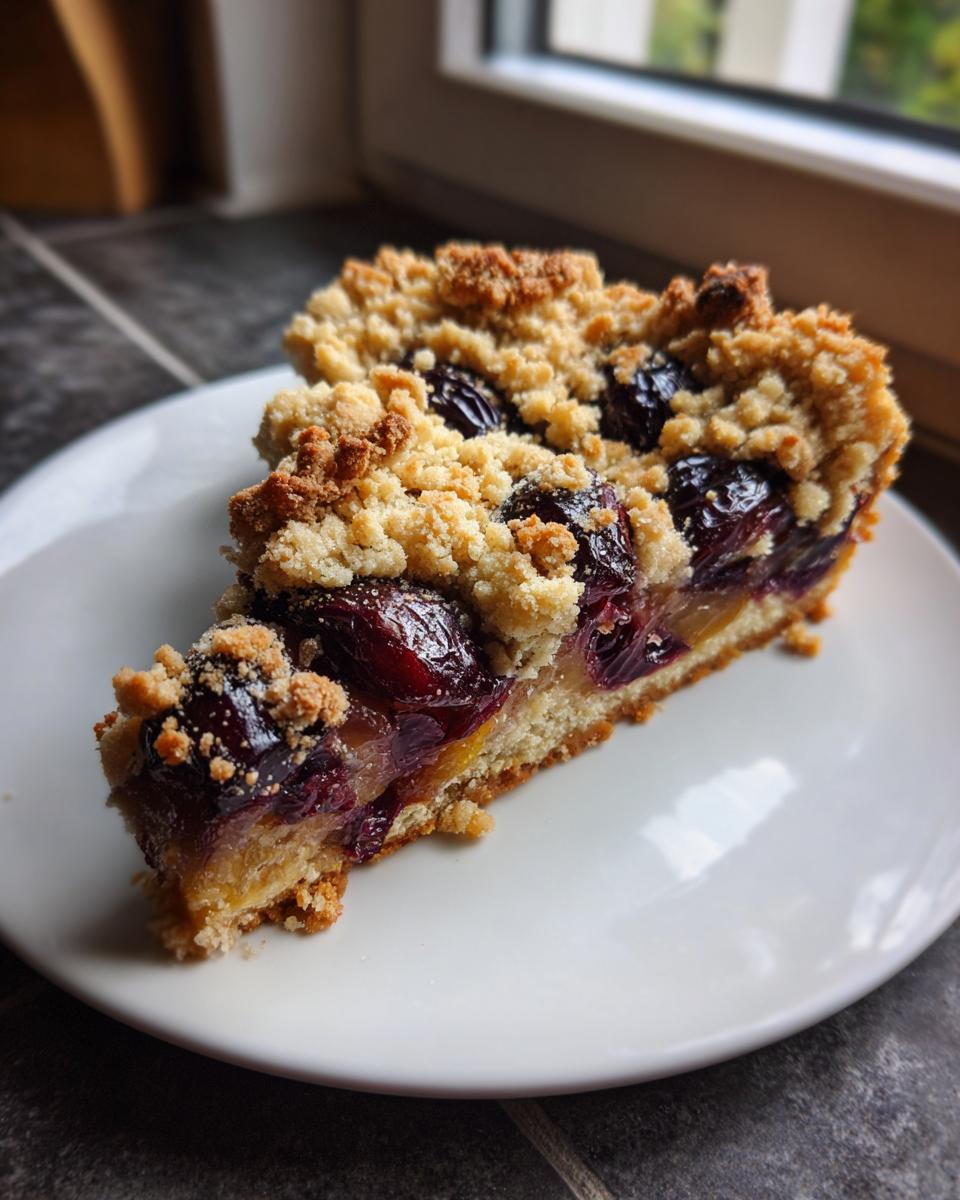
So, you’ve pulled this gorgeous, fragrant thing out of the oven, and the smell is taking over your kitchen—congratulations! Now, how do you eat it? In Germany, this isn’t usually the big, fancy dessert you pull out after a formal dinner. It’s more about enjoying a wonderful, comforting slice during that afternoon coffee break, which they call Kaffee und Kuchen. It’s the perfect treat for a slow Sunday afternoon.
The cake is absolutely fantastic served warm, perhaps just slightly cooled so the fruit juices aren’t scalding hot, but definitely not cold from the fridge. The warmth really brings out the cinnamon and the yeasty smell of the dough. The best accompaniment, in my opinion? A dollop of unsweetened whipped cream. Seriously, don’t add sugar to the cream! The plums and the streusel are plenty sweet and tart on their own, so the unsweetened cream just mellows everything out perfectly.
If you happen to be having this in the cooler months, and you have some leftover, try heating a slice gently in the microwave for about 15 seconds. If you want to get fancy with flavors, I actually developed a recipe for cinnamon butter that is divine smeared lightly on a warm slice. It adds just a little something extra amazing without overtaking the beautiful plum flavor!
Storage and Reheating Instructions for german plum cake
This is one of those fantastic seasonal desserts, so you might have leftovers even if you don’t intend to! Since we used a lovely yeast dough instead of a simple shortcrust, we need to be a little more mindful about how we store our german plum cake to keep that base from getting stale or gummy.
The absolute best way to store leftovers is on the counter, covered tightly. I usually use a nice cake dome or just wrap the whole sheet pan tightly in plastic wrap—make sure it’s really sealed to lock in any residual moisture from the fruit. Kept at room temperature, this cake holds up really well for about two days because of the moisture from the plums. If you need to keep it longer than that, or if your kitchen is super humid, you should move it to the refrigerator. Just know the dough part might feel a bit firmer once it’s chilled.
If you do chill it, you absolutely have to reheat it before serving! Cold cake just isn’t the same. I keep it simple: just take a slice out of the fridge about 30 minutes before you want to eat it to let it come toward room temperature slightly. For that warm, fresh-from-the-oven feeling, pop a slice in the microwave for about 15 to 20 seconds. It warms the fruit and softens the dough right back up. Seriously, if you love this cake warm with coffee, this little reheat trick is your best friend!
Frequently Asked Questions About german plum cake
I always get questions after posting a recipe this traditional because sometimes the old ways seem complex! Don’t you worry, though. Dealing with yeast dough and fresh fruit sounds daunting, but once you know the tricks, this cake becomes an easy favorite for your late summer fruit baking recipes rotation. If you want more tips on keeping things moist, check out my guide on moist cake secrets here.
-
Can I make this german plum cake recipe without yeast?
Yes, you absolutely can! If you are looking for a faster treat, you can skip the entire yeast activation and rising process. Just roll out a simple shortcrust pastry—or even a thick, buttery shortbread base—and proceed with arranging your plums and streusel. You’ll get a cake that is more tart and cookie-like rather than the soft, slightly chewy texture of the authentic yeast dough plum cake instructions listed above. It’s a great shortcut, but it tastes different!
-
What is the difference between Pflaumenkuchen and Zwetschgenkuchen?
It’s mostly a regional naming thing, but there’s a slight technical difference that bakers appreciate! Pflaumenkuchen simply translates to ‘plum cake’—it’s the general term for any cake made with plums. Zwetschgenkuchen is more specific; it means it’s made with Zwetschgen plums, which are those small, oblong Italian prune plums we used in the recipe. Those specific plums are preferred because they hold their shape better and have a wonderful tartness that complements the sweetness of the cake and streusel. So, while they are often used interchangeably, Zwetschgenkuchen usually implies the ‘best’ kind of plum was used!
-
How do I prevent the bottom of the cake from getting soggy?
Oh, the dreaded soggy bottom! This is the number one fear when baking with juicy fruit on top of a soft dough. The main prevention method is using firm fruit, like those Zwetschgen, and making sure you don’t skip the 15-minute rest after you shape the dough. However, for an extra layer of protection on especially juicy days, try this: after you roll out your dough—before you put the plums on—pre-bake the dough plain for about 8 minutes at 375°F. Just pull it out, let it cool for a minute, arrange your fruit and streusel, and then pop it back in to finish baking. That quick initial bake seals the dough surface!
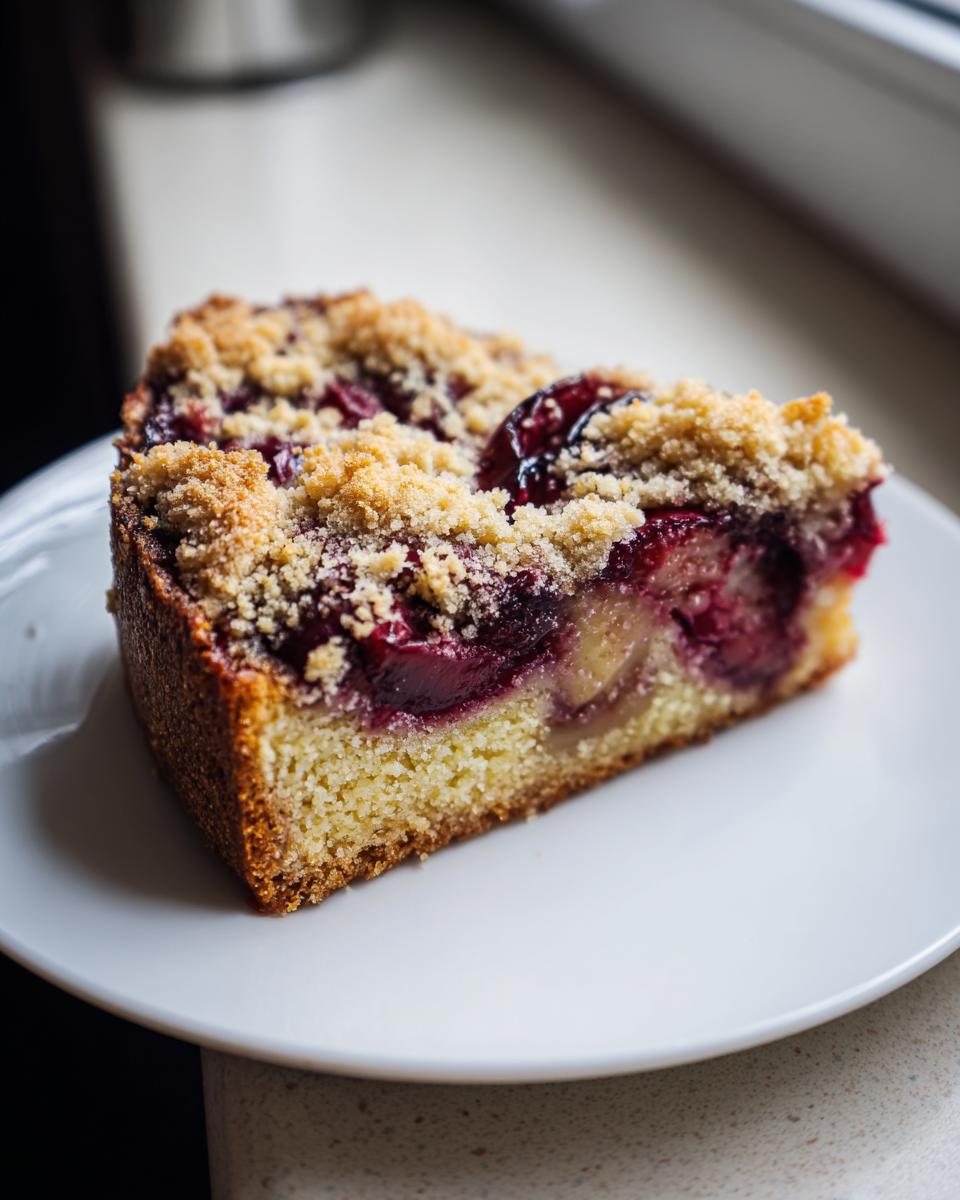
Nutritional Estimates for This Seasonal german dessert
I always get asked about macros, even on my most traditional recipes! Since we’re dealing with a yeasted bread base, fruit, and a rich streusel topping, it’s a wonderfully satisfying treat. Keep in mind that baking is an art, and your exact measurements for sugar and fruit density can shift these numbers a bit. These are just estimates for one serving slice based on the recipe quantities provided.
- Serving Size: 1 slice
- Calories: 350
- Sugar: 25g
- Fat: 16g (of which 10g is saturated)
- Carbohydrates: 48g
- Protein: 7g
This information is based on serving 12 slices exactly as written. This is a classic European dessert, so it leans toward the richer side, but wow, is it worth it for those gorgeous fall flavors!
Nutritional Estimates for This Seasonal german dessert
I always get asked about macros, even on my most traditional recipes! Since we’re dealing with a yeasted bread base, fruit, and a rich streusel topping, it’s a wonderfully satisfying treat. Keep in mind that baking is an art, and your exact measurements for sugar and fruit density can shift these numbers a bit. These are just estimates for one serving slice based on the recipe quantities provided.
- Serving Size: 1 slice
- Calories: 350
- Sugar: 25g
- Fat: 16g (of which 10g is saturated)
- Carbohydrates: 48g
- Protein: 7g
This information is based on serving 12 slices exactly as written. This is a classic European dessert, so it leans toward the richer side, but wow, is it worth it for those gorgeous fall flavors!
PrintAuthentic German Plum Cake (Pflaumenkuchen) with Streusel

Follow this traditional German plum cake recipe, Zwetschgenkuchen, using Italian prune plums and a simple yeast dough base topped with a buttery crumb topping.
- Prep Time: 30 min
- Cook Time: 45 min
- Total Time: 135 min
- Yield: 12 servings 1x
- Category: Dessert
- Method: Baking
- Cuisine: German
- Diet: Vegetarian
Ingredients
- 1 cup warm milk (about 105-115°F)
- 2 1/4 teaspoons active dry yeast
- 1/4 cup granulated sugar, plus 1 teaspoon for yeast
- 2 1/2 cups all-purpose flour, plus more for dusting
- 1/2 teaspoon salt
- 1 large egg, room temperature
- 4 tablespoons unsalted butter, melted
- 2 pounds Italian prune plums (Zwetschgen), halved and pitted
- 1 tablespoon lemon juice
- 1/4 cup granulated sugar for fruit
- 1/2 teaspoon ground cinnamon for fruit
- For Streusel: 1 cup all-purpose flour
- For Streusel: 1/2 cup packed light brown sugar
- For Streusel: 1/2 cup (1 stick) cold unsalted butter, cut into small pieces
Instructions
- Activate the yeast: In a small bowl, combine the warm milk, yeast, and 1 teaspoon of sugar. Let stand for 5 to 10 minutes until foamy.
- Prepare the dough: In a large bowl, whisk together the flour and salt. Make a well in the center and add the yeast mixture, 1/4 cup sugar, egg, and melted butter. Mix until a shaggy dough forms.
- Knead the dough: Turn the dough onto a lightly floured surface and knead for 5 to 7 minutes until smooth and elastic. Place the dough in a lightly oiled bowl, turning to coat. Cover and let rise in a warm place for 1 to 1.5 hours, or until doubled in size.
- Prepare the fruit: While the dough rises, wash, halve, and pit the plums. In a medium bowl, gently toss the plums with 1/4 cup sugar, lemon juice, and cinnamon. Set aside.
- Make the streusel: In a separate bowl, combine the streusel flour and brown sugar. Cut in the cold butter using your fingers or a pastry blender until the mixture resembles coarse crumbs. Place in the refrigerator until needed.
- Shape the dough: Punch down the risen dough and transfer it to a lightly floured surface. Roll or press the dough into a 10×15 inch rectangle. Transfer the dough to a parchment-lined baking sheet.
- Assemble the cake: Let the dough rest for 15 minutes. Arrange the plum halves tightly over the dough, cut-side up, leaving a small border around the edges.
- Bake: Preheat your oven to 375°F (190°C). Sprinkle the chilled streusel evenly over the plums.
- Bake for 35 to 45 minutes, or until the crust is golden brown and the fruit is tender.
- Cool and serve: Let the german plum cake cool slightly on the baking sheet before slicing. Serve warm or at room temperature.
Notes
- Use Italian prune plums (Zwetschgen) for the best flavor and texture; they hold their shape well during baking.
- If you prefer a quicker cake, substitute the yeast dough with a simple shortcrust pastry base.
- For a richer flavor, you can brush the baked cake lightly with melted apricot jam.
Nutrition
- Serving Size: 1 slice
- Calories: 350
- Sugar: 25
- Sodium: 180
- Fat: 16
- Saturated Fat: 10
- Unsaturated Fat: 6
- Trans Fat: 0
- Carbohydrates: 48
- Fiber: 3
- Protein: 7
- Cholesterol: 55