

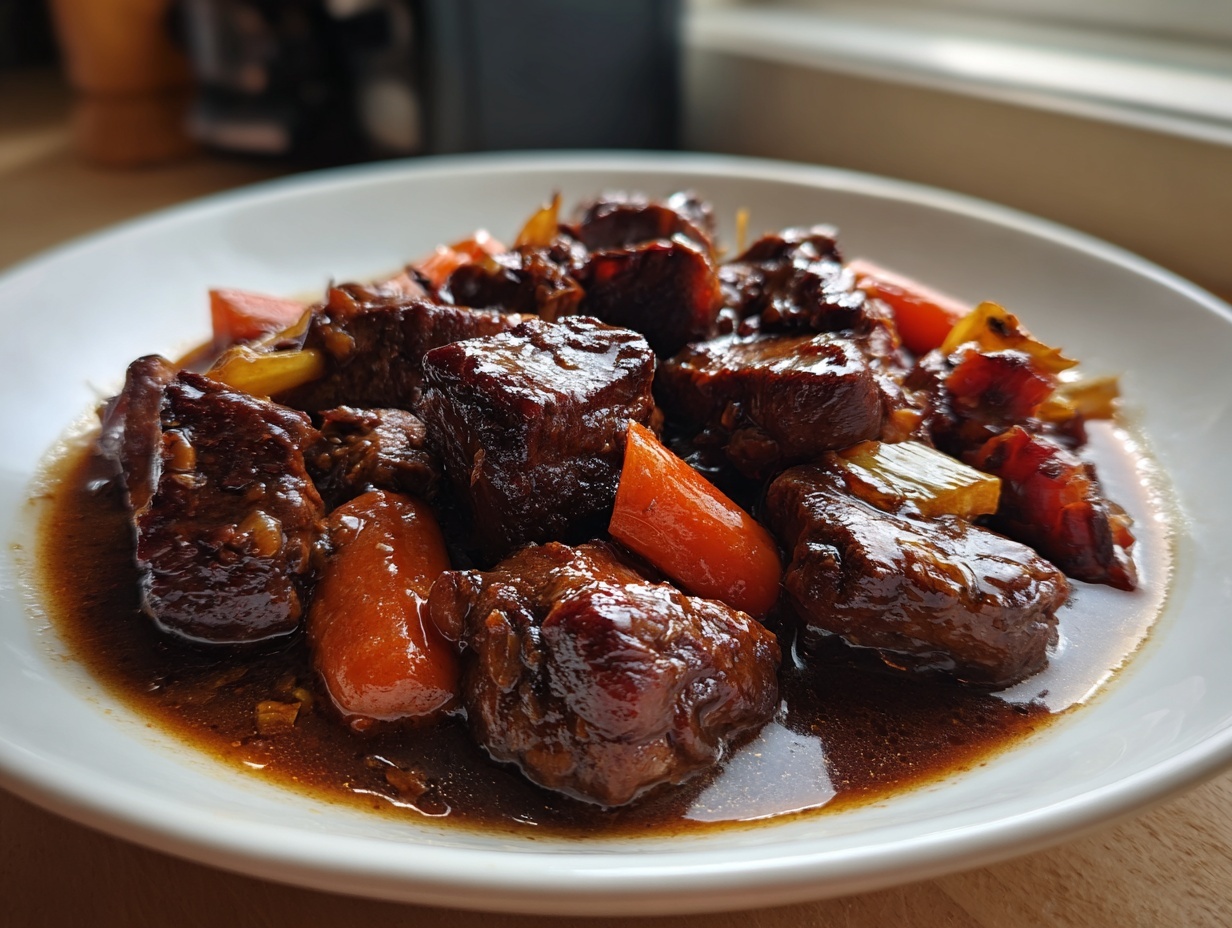
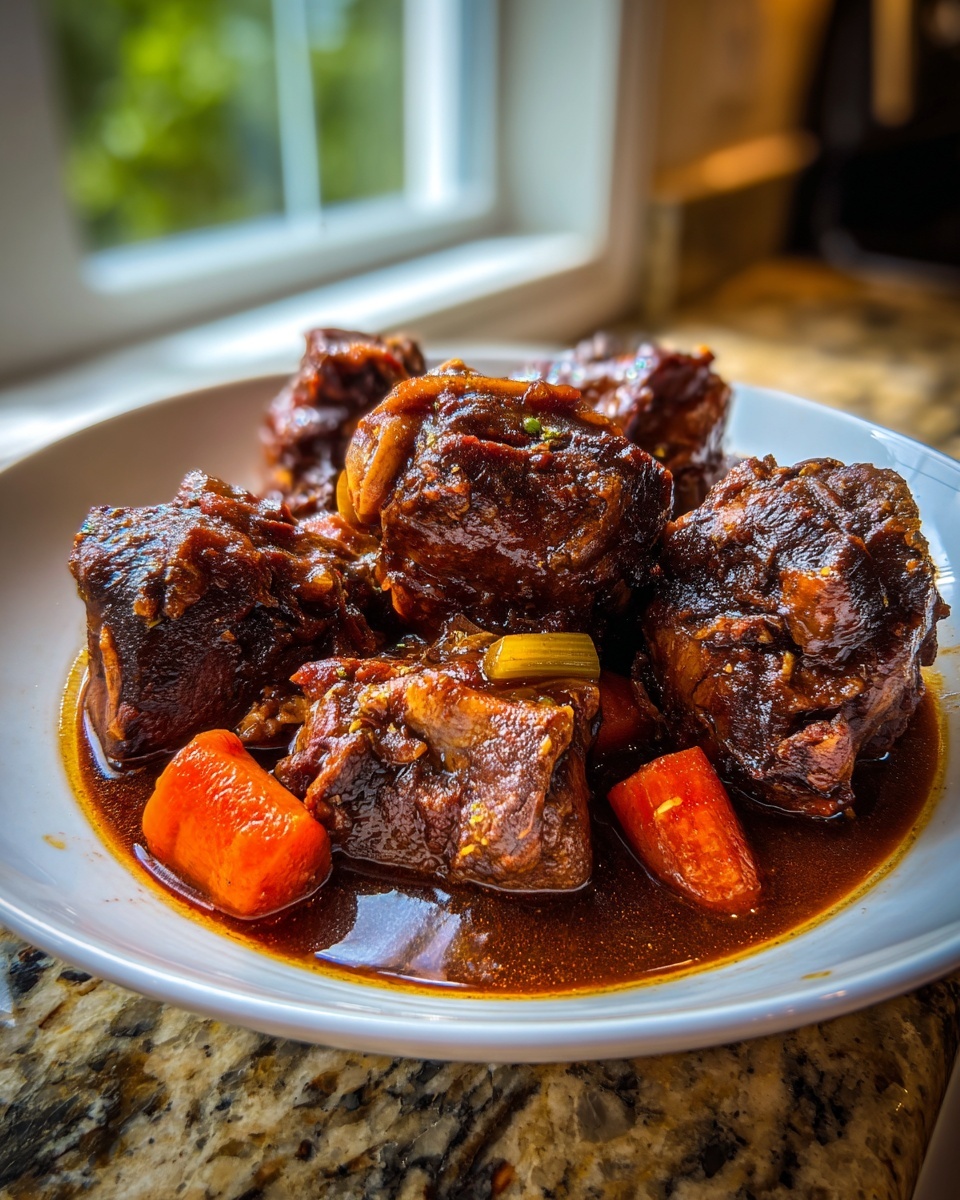
There’s just nothing that hits the spot quite like Caribbean food, is there? That bright, bold flavor profile is pure sunshine on a plate. But among all the amazing flavors, the trinidad brown stew chicken holds a special place for me. It’s the color that gets you first—that deep, incredible mahogany brown. Getting that signature look without ending up with a bitter, burnt mess? That’s where the magic, and the technique, comes in.
Here at Cooking Zenith, we know that Caribbean cooking is all about the *process*. When I first tried replicating my favorite dishes, I quickly learned the hard way about technique. This recipe walks you through achieving that deep, rich color using proper browning methods, ensuring the chicken stays succulent and flavorful through the slow-simmer. Trust me, once you nail this, it will become your new go-to **One Pot Chicken Dinner Caribbean** style!
- Why This Authentic Brown Stew Recipe Delivers Deep Flavor
- Ingredients for the Best Trinidad Brown Stew Chicken
- How to Prepare Trinidad Brown Stew Chicken: Step-by-Step
- Tips for Perfect Trinidad Brown Stew Chicken Every Time
- Serving Suggestions for Your Trinidadian Chicken Stew
- Storage and Reheating Instructions for Trinidad Brown Stew Chicken
- Frequently Asked Questions About Making Trinidad Brown Stew Chicken
- Nutritional Estimate for Flavorful Stewed Chicken
- Share Your Homemade Trinidad Stew Experience
Why This Authentic Brown Stew Recipe Delivers Deep Flavor
So many stews out there are just… brown-ish. But we’re aiming for real, authentic Trinidadian color here! What sets this approach apart from a standard chicken stew is that crucial first step. We’re not just simmering chicken in broth; we are building a deep, resonant base note of natural sweetness and deep savory flavor before any liquid even hits the pot. This focus makes all the difference in creating truly **Flavorful Stewed Chicken**.
When you master this **Authentic Brown Stew Recipe**, you unlock the secret to **Trinidadian Chicken Stew** that tastes exactly like it came straight from a home in Port of Spain. You won’t need heavy spices to mask underlying flatness; the depth comes right from the meat itself. For another flavor powerhouse, you should absolutely check out my creamy Chicken Marsala recipe sometime when you’re looking for something different! You can find that here.
The Secret to Perfect Trinidad Brown Stew Chicken Color
The color is everything! You have two main pathways here: taking that time to slowly caramelize brown sugar until it’s dark mahogany, or using a good quality store-bought browning sauce. If you use sugar, you absolutely *must* watch the heat. If you see it going black, pull it off the fire immediately, or you’ll get that bitter taste we’re working so hard to avoid in our **Deep Brown Chicken Stew**.
My best tip when browning? Keep that oil hot enough to sizzle aggressively when the chicken goes in, but reduce the heat slightly right after the browning agent hits the oil. That quick, high-heat sear locks in the color before you start layering in the rest of the vegetables. Don’t let those beautiful brown bits burn!
Ingredients for the Best Trinidad Brown Stew Chicken
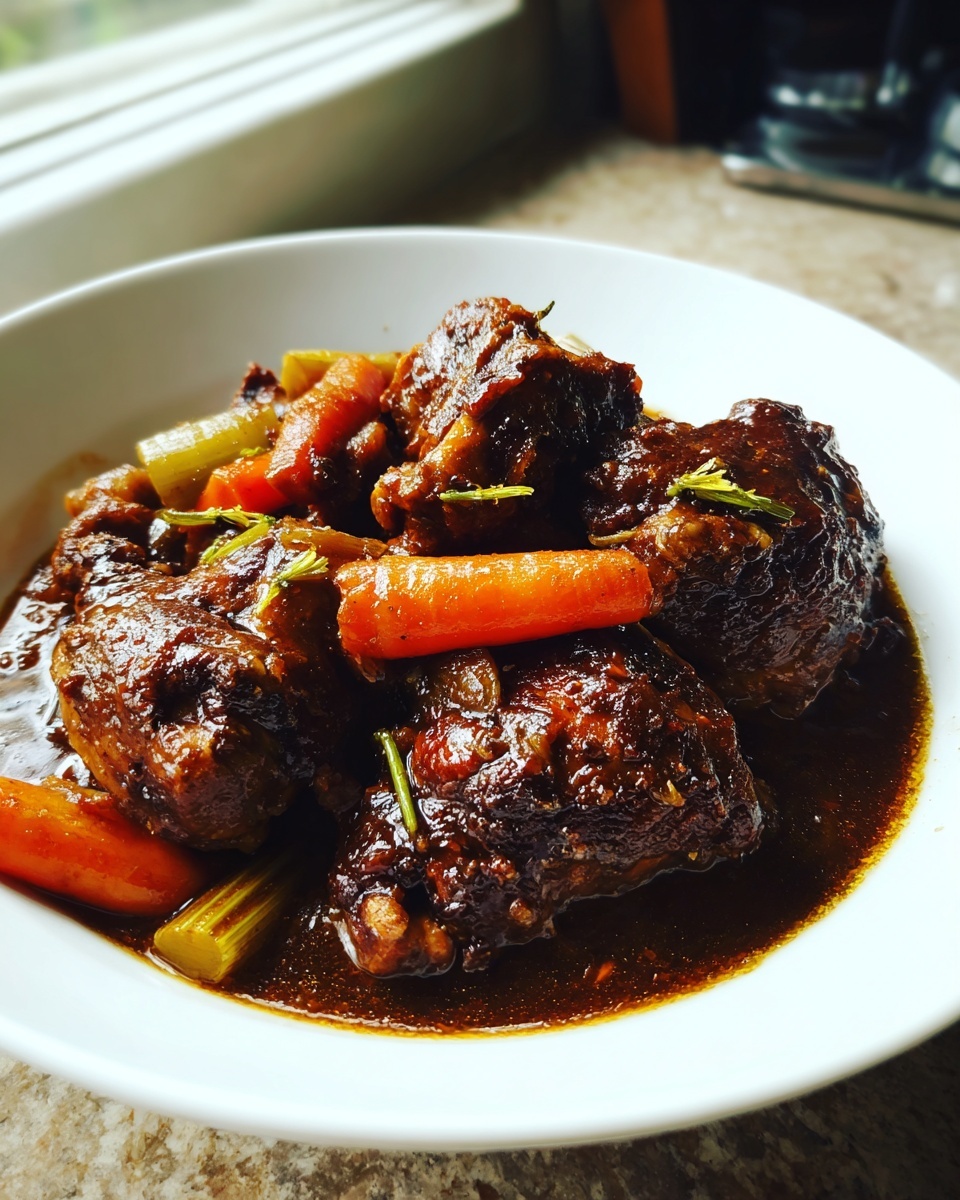
Okay, assembling the ingredients list for this is where you feel like a real Caribbean cook! For your **trinidad brown stew chicken**, we need bone-in action for maximum flavor, so stick with thighs and drumsticks if you can. You’ll see we use regular salt and pepper, but really lean into the dried thyme and that Trinidad-style curry powder.
The star, of course, is the browning agent—you’ll add it to hot oil, or you can carefully burn brown sugar right there in the pot to get that signature deep color. We are loading this up with aromatics like onion, garlic, and celery, plus we throw in a whole scotch bonnet pepper. Don’t panic about the pepper though; it’s for flavor infusion, not instant burn!
Ingredient Notes and Substitutions for Trinidadian Chicken Stew
Let’s talk specifics so your **Trinidadian Chicken Stew** is perfect. Chicken pieces should be bone-in and skin-on—that skin provides fat and flavor that just melts into the sauce. When dealing with that scotch bonnet pepper for this **Homemade Trinidad Stew**, leave it whole! It perfumes the pot beautifully without making it scorching hot. If you cut it, wow, you’ve been warned!
Also, if you can find it, the curry powder from Trinidad has a very distinct blend, usually a bit more yellow and turmeric-heavy compared to some Indian varieties. If you can’t find a specific Caribbean blend, any good quality medium curry powder will work for a stellar result!
How to Prepare Trinidad Brown Stew Chicken: Step-by-Step
Alright, let’s get cooking! This is where the preparation comes together, and I promise, as long as you follow the order, this is genuinely straightforward. First things first: you need to season that chicken really well. We mix up all our spices—salt, pepper, the curry powder that gives it that Caribbean warmth, cumin, everything—and let that meat marinate for at least 30 minutes. Honestly, if you can let it sit for a few hours in the fridge, even better! That’s when the flavor really soaks deep into the bone.
Next, we tackle the browning, which is the fun—and slightly scary—part. Get your pot hot with the oil, and then carefully introduce your sugar or browning sauce. This sets the stage for the whole pot! Once the chicken is deeply colored, we snatch it out and move on preparing the base. Ready to roll? If you love easy chicken preparation, I have a killer honey garlic recipe you might want to whip up next week, check it out right here!
Mastering Step 2: The Browning Technique for Trinidad Food Recipes
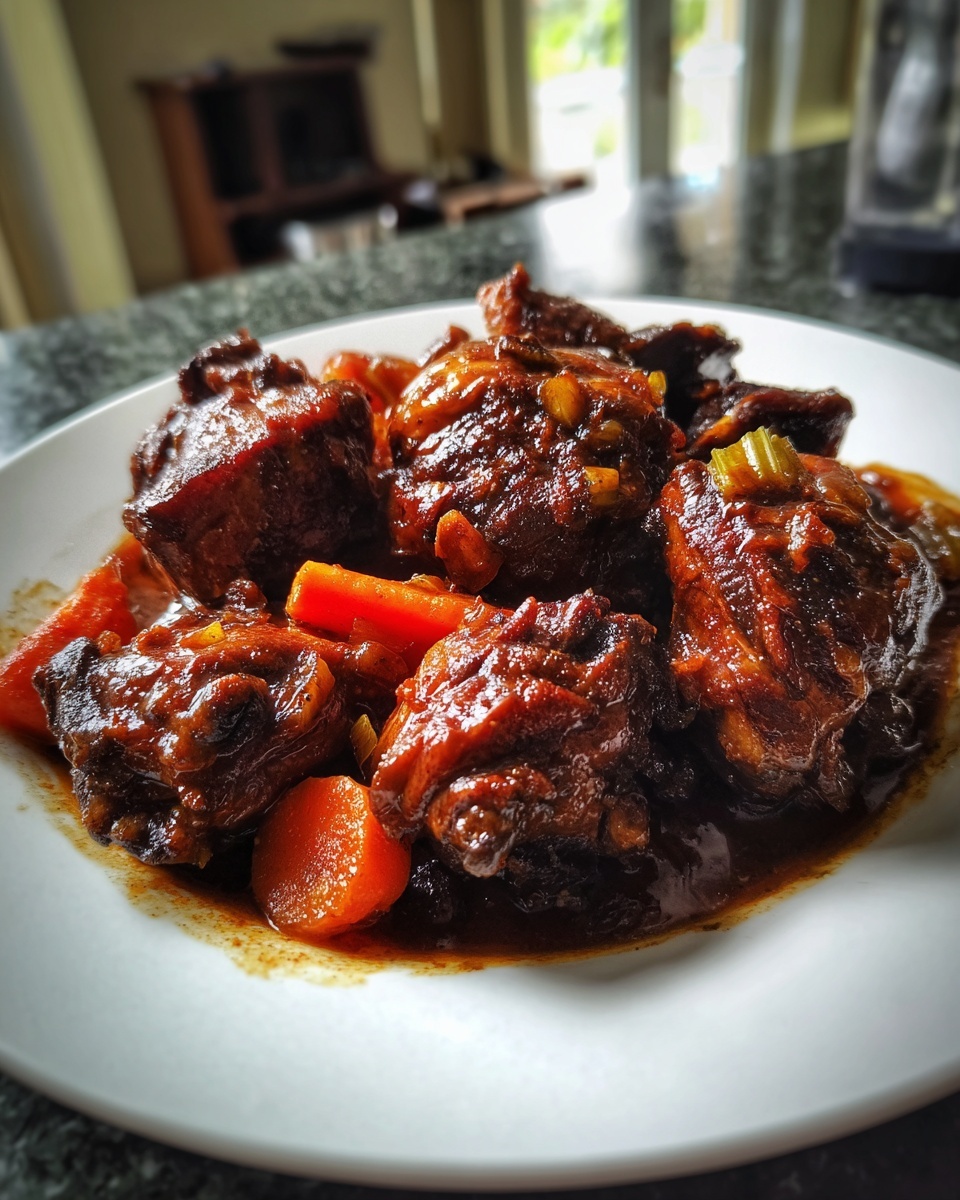
You’ve got the hot oil, now you add the sugar or the store-bought browning sauce. This is the moment of truth for your **trinidad brown stew chicken**. If you use sugar, you have to stir it constantly as it melts and darkens. Don’t let it go black! You want a rich, dark mahogany color—think dark wood, not soot. It cooks fast, maybe three minutes tops.
As an expert cooking friend, here’s my crucial tip for these **Trinidad Food Recipes**: The second that sugar hits that perfect dark shade—and I mean *immediately*—toss your seasoned chicken pieces into that pot. The aggressive sear needed to lock in that color means you need to work fast! If you hesitate even a second too long, that gorgeous color turns bitter, and you’re back to square one. Get that deep crust on the meat before you reduce the heat.
Simmering for Flavorful Stewed Chicken Caribbean Style
Once the chicken is beautifully browned and we bring back those aromatics like onion and that whole scotch bonnet, it’s time to settle in for the long haul. We want tenderness in our **Flavorful Stewed Chicken Caribbean Style**, so after you add your water or stock, ketchup, and Worcestershire sauce, bring it up to a rolling boil just once.
Then, immediately reduce that heat to the lowest setting it can handle. Cover it tight! We let this simmer super gently for a full hour. Don’t rush it! This low and slow method allows the chicken to become fall-off-the-bone tender while the sauce reduces naturally and thickens up without needing any flour or cornstarch magic.
Tips for Perfect Trinidad Brown Stew Chicken Every Time
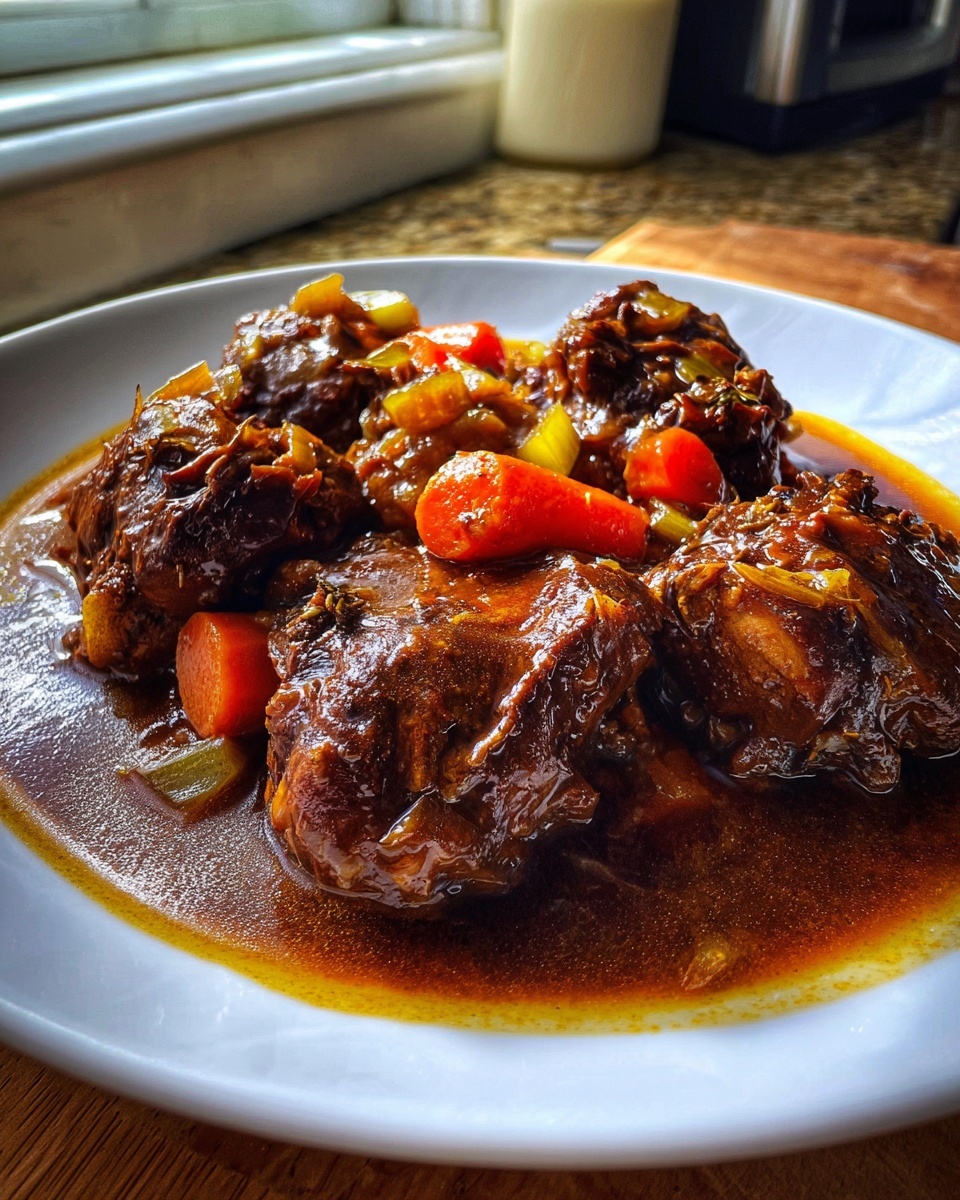
Even once you master the steps, sometimes a **Homemade Trinidad Stew** needs a little troubleshoot, right? That’s just cooking! The biggest issue people run into is the sauce being too thin at the end. If your stew has simmered for the full hour and it’s still running watery, don’t panic or reach for flour! Just take the lid off, crank that heat up to medium-high, and let it bubble away strongly for 5 to 10 minutes. Keep an eye on it, though, because that color is already deep, and you don’t want to burn the bottom!
Also, remember that the chicken releases fat and moisture as it cooks, which adds richness. If you absolutely must tweak the texture immediately after cooking, scooping out a little bit of that liquid, mixing in a tiny bit of cornstarch slurry off the heat, and then stirring it back in works like a charm. For great organizing tips for your kitchen, check out my piece on easy make-ahead egg bites!
- For cleaner storage later, or if you’re meal prepping, I love using muffin tins for single servings. You can see how handy that idea is here.
- If you used bone-in chicken, the sauce will naturally thicken more as it cools because the collagen breaks down. Don’t over-reduce it on the stove!
Serving Suggestions for Your Trinidadian Chicken Stew
You’ve made this amazing, rich stew, and now you need the perfect partner! You can’t just eat **Trinidadian Chicken Stew** straight from the pot—well, I mean, you *could*, but you really shouldn’t. The traditional pairing that simply elevates this dish to a full **Caribbean Dinner Idea** is rice and peas.
You need something starchy to soak up every last drop of that glorious, dark sauce. I always aim for a fluffy white rice or, even better, a homemade rice and peas. It’s the classic combination for a reason! If you’re looking for an incredible recipe for fluffy rice—my Spanish rice version works wonders alongside the stew—you can grab that recipe here.
If you grabbed some roti dough, that’s another perfect vehicle. Sometimes I even chop up some hardy provisions like boiled yam or sweet potato to put right into the pot for the last 20 minutes of simmering. Anything that can soak up that incredible gravy is a winner for your **Dinner Ideas with Rice and Peas** night!
Storage and Reheating Instructions for Trinidad Brown Stew Chicken
The best part about making a big pot of **trinidad brown stew chicken** is having leftovers! This stew tastes even deeper the next day; it’s true! You can absolutely keep this in an airtight container in the fridge for about three or four days. It freezes beautifully too, if you’re having one of those days where you need a dinner waiting for you.
When you’re ready to reheat, please don’t zap it on high heat in the microwave; that just dries out the meat we worked so hard to tenderize! I always reheat mine low and slow. Put it in a saucepan, maybe add just a tiny splash of water or some stock if the sauce looks super thick, cover it, and let it gently warm back up. It should only take about 10 minutes to be piping hot and juicy again. If you’re looking for another easy, slow-cook method for chicken, check out my crockpot teriyaki recipe!
- For another great one-pot meal idea that works well for leftovers, take a look at my Crockpot Teriyaki Chicken right here.
Frequently Asked Questions About Making Trinidad Brown Stew Chicken
I know when you’re reading through a recipe like this, sometimes nagging little questions pop up. That’s totally normal! Especially when you’re working with a specific technique like the browning process here—you want to make sure you get that authentic flavor just right. I’ve gathered a few things people always ask me about preparing their **trinidad brown stew chicken**.
Can I use chicken breast for this trinidad brown stew chicken recipe?
Oh, you certainly can use breast meat, but you have to be extra careful! Chicken breast is lean, and because this stew requires a good 45 minutes or more of simmering time, white meat tends to dry out quickly if you leave it in that long. If you decide to use breast pieces for your **trinidad brown stew chicken**, I highly recommend reducing that simmer time significantly. Maybe check it after 25 to 30 minutes, just to make sure it’s tender but not rubbery.
What is the difference between this and standard Caribbean Dinner Ideas stew?
That’s the million-dollar question, isn’t it? The main difference is literally in the name: the browning! Lots of generalized **Caribbean Dinner Ideas** involve stewing chicken, but Trinidadian style demands that deep, almost black-brown crust you get from caramelizing sugar or using browning sauce first. That step adds a unique, slightly smoky sweetness and complex savory depth that you just can’t achieve by just cooking the meat in tomatoes or broth.
How do I adjust the spice level in this Traditional Trinidad Recipes?
Spice control is all down to that beautiful scotch bonnet pepper. For the most traditional flavor profile in these **Traditional Trinidad Recipes**, you want the flavor of the pepper without necessarily blowing your head off! That means leaving it whole, tossing it into the pot, and letting it infuse slowly as the chicken cooks. If you prefer less fire, simply remove the whole pepper before you serve it. If you *really* don’t want much heat at all, just leave the pepper out. Want more kick? Cut it open, scrape out the seeds and veins (that’s where most of the capsaicin lives), and then toss the pepper flesh in.
Nutritional Estimate for Flavorful Stewed Chicken
Now, I know none of us are counting every little thing when we sit down to a meal this good, but it is helpful to have a ballpark idea, right? Keep in mind that these figures are just estimates based on the bone-in chicken and serving size listed in the recipe, so they aren’t exact science, but they give you a good picture!
For one generous serving of this **Flavorful Stewed Chicken** (that’s one piece of chicken plus the sauce over rice, generally speaking), here’s what we’re looking at:
- Calories: About 450
- Protein: A whopping 40 grams!
- Fat: Around 25 grams (remember, some comes from that beautiful skin we leave on!)
- Carbohydrates: Roughly 12 grams
- Sodium: Closer to 550 mg (we season well, so watch the salt shaker on the side!).
I always say, the most important nutritional fact is that it is packed with comfort!
Share Your Homemade Trinidad Stew Experience
I really hope you loved making this **trinidad brown stew chicken** as much as I love perfecting it for you! Seriously, tell me how it went. Did you manage to get that perfect mahogany color without burning the sugar? Drop me a star rating below, and leave a quick comment about your experience. Knowing you’re out there mastering these **Traditional Trinidad Recipes** is what keeps me inspired in the kitchen!
If you’re looking for another amazing sauce idea for leftovers (or just because!), my creamy horseradish sauce is surprisingly simple to whip up! Check out that recipe here. Happy cooking, friend!
PrintAuthentic Trinidad Brown Stew Chicken Recipe (The Proper Way to Brown)
Learn how to make traditional Trinidad Brown Stew Chicken, focusing on the essential technique of achieving a deep, rich brown color using browning sauce before simmering the chicken to tender perfection.
- Prep Time: 20 min
- Cook Time: 60 min
- Total Time: 80 min
- Yield: 4 servings 1x
- Category: Dinner
- Method: Stovetop Stewing
- Cuisine: Trinidadian
- Diet: Low Lactose
Ingredients
- 3 lbs bone-in, skin-on chicken pieces (thighs and drumsticks recommended)
- 1 tablespoon salt
- 1 teaspoon black pepper
- 1 teaspoon garlic powder
- 1 teaspoon onion powder
- 1 teaspoon dried thyme
- 1 teaspoon curry powder (Trinidad style)
- 1/2 teaspoon ground cumin
- 1/4 cup vegetable oil
- 3 tablespoons brown sugar OR 3 tablespoons store-bought browning sauce (e.g., Grace Browning Sauce)
- 1 large onion, sliced
- 4 cloves garlic, minced
- 1 scotch bonnet pepper, left whole (do not cut unless you want extreme heat)
- 1 pimento pepper, sliced (optional, for flavor)
- 1 carrot, sliced
- 1 stalk celery, chopped
- 2 cups water or chicken stock
- 2 tablespoons ketchup
- 1 tablespoon Worcestershire sauce
- 1 teaspoon salt (or to taste)
Instructions
- Clean and season the chicken: In a large bowl, mix the chicken pieces with salt, pepper, garlic powder, onion powder, thyme, curry powder, and cumin. Let this marinate for at least 30 minutes, or ideally, several hours in the refrigerator.
- Prepare the browning agent: In a heavy-bottomed pot or Dutch oven, heat the vegetable oil over medium-high heat. If using brown sugar, add it to the hot oil and stir constantly until it melts and turns a deep, dark brown color, almost black but not burnt (this takes about 2-4 minutes). If using browning sauce, add it directly to the hot oil and let it sizzle for 30 seconds. Watch carefully to prevent burning.
- Brown the chicken: Carefully add the seasoned chicken pieces to the hot oil/browning mixture. Sear the chicken on all sides until it develops a deep, dark brown crust. Do this in batches if necessary to avoid overcrowding the pot. Remove the browned chicken and set it aside.
- Sauté aromatics: Reduce the heat to medium. Add the sliced onion, minced garlic, scotch bonnet pepper (whole), and pimento pepper to the pot. Sauté for 3-5 minutes until the onions soften. Scrape up any browned bits from the bottom of the pot.
- Simmer the stew: Return the browned chicken to the pot. Add the carrot, celery, water or stock, ketchup, Worcestershire sauce, and 1 teaspoon of salt. The liquid should mostly cover the chicken.
- Cook: Bring the liquid to a boil, then immediately reduce the heat to low, cover the pot, and let it simmer gently for 45 to 60 minutes, or until the chicken is very tender and the sauce has thickened slightly.
- Finish: Remove the whole scotch bonnet pepper before serving. Taste the sauce and adjust salt if needed. Serve hot over rice and peas.
Notes
- For the best color, use a commercial browning sauce. If you use sugar, watch it closely; if it burns, the stew will taste bitter, and you must start the browning step over.
- This stew pairs perfectly with fluffy white rice, rice and peas, or roti.
- If the sauce is too thin after cooking, remove the chicken, raise the heat, and reduce the sauce until it reaches your desired consistency.
Nutrition
- Serving Size: 1 piece chicken with sauce
- Calories: 450
- Sugar: 8
- Sodium: 550
- Fat: 25
- Saturated Fat: 7
- Unsaturated Fat: 18
- Trans Fat: 0
- Carbohydrates: 12
- Fiber: 2
- Protein: 40
- Cholesterol: 120