

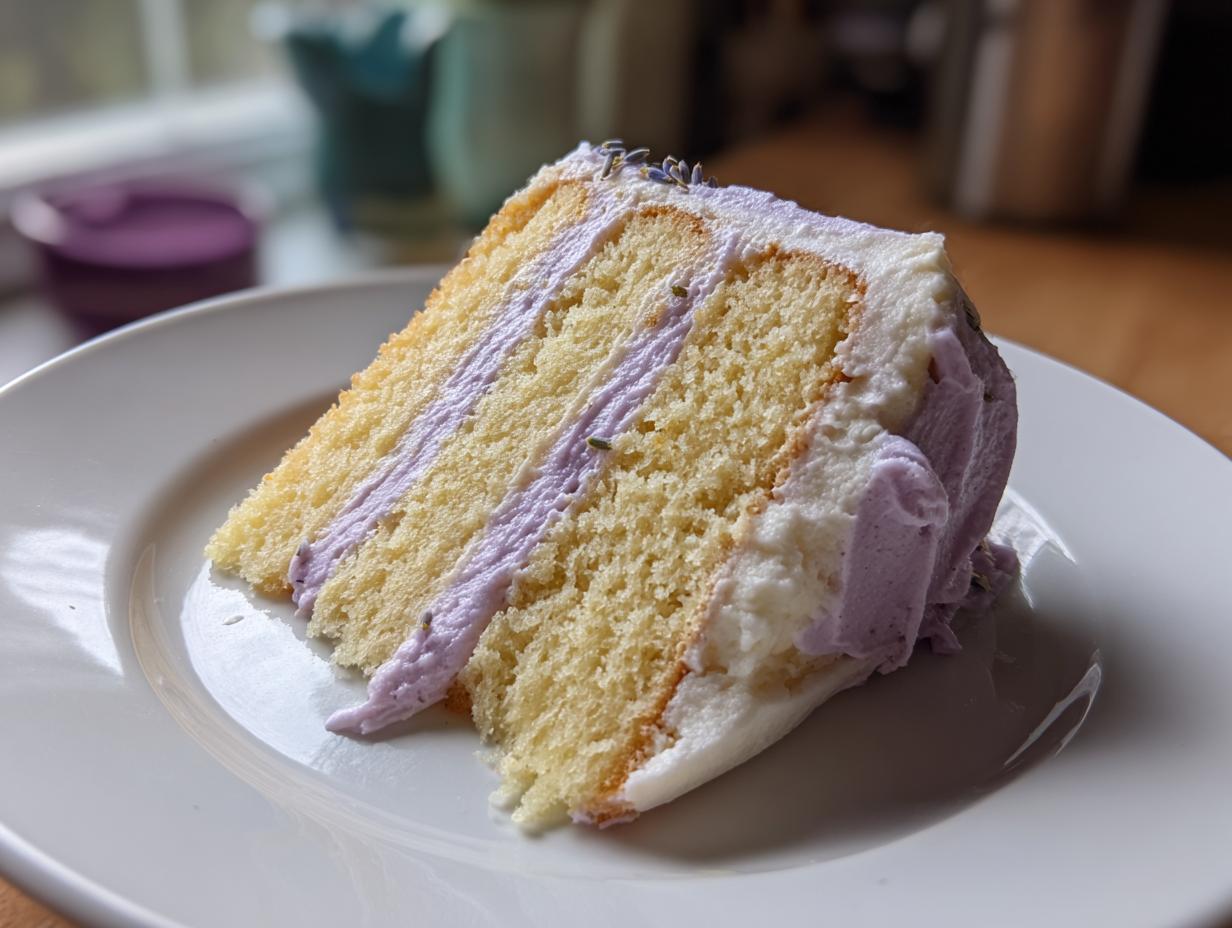
You know, when I first started experimenting with floral baking, I thought it was going to be this super fussy, intimidating thing. I was wrong! Food should never feel like work; it should feel like an adventure. And let me tell you, this Lemon Lavender Layer Cake is proof of that. It’s all about balancing that bright, zingy lemon with the whisper of actual flowers. That feeling when you take a bite and it’s somehow bright and comforting all at once? That’s what I live for. This recipe for a stunning lavender cake brings sophisticated flavor right into your home kitchen without needing a culinary degree. Trust me, once you master this delicate balance, you’ll be hooked on these aromatic dessert creations.
- Why This Lemon Lavender Layer Cake is Your New Favorite Lavender Cake
- Gathering Ingredients for Your Lavender Cake
- Step-by-Step Instructions for the Lemon Lavender Cake
- Tips for Success with Your Aromatic Dessert Creations
- Variations on the Classic Lavender Cake
- Serving Suggestions for This Elegant Dessert Idea
- Storage & Reheating Instructions for Your Homemade Layer Cakes
- Frequently Asked Questions About Making a Lavender Cake
- Nutrition Estimates for This Lavender Cake Recipe
- Nutrition Estimates for This Lavender Cake Recipe
Why This Lemon Lavender Layer Cake is Your New Favorite Lavender Cake
I think people assume that because this lavender cake looks so elegant, it must be a total nightmare to bake. Nope! That’s the beauty of it. This specific recipe is designed to be reliable, giving you that gorgeous, purple-tinged elegance you see at fancy garden parties. It’s definitely one of my go-to choices for Afternoon Tea Cakes.
- It bakes up beautifully light, making it one of the best examples of Moist Sponge Cake Recipes I’ve ever published.
- The flavor balance is spot-on—that bright lemon cuts through the floral so you never end up with something tasting like soap!
- It’s sturdy enough to stack high but tender on the inside, making it perfect for celebrations.
Achieving the Perfect Moist Sponge Cake Recipes
How do we get that incredible texture? It all comes down to two things we talk about a lot here: properly creaming the butter and using the acid. When you add the lemon juice to the milk, it gently curds, which tenderizes the gluten as it bakes. It’s a simple chemistry trick that saves you from a dense cake. Stick to the creaming stage, and you’ve hit pay dirt for Moist Sponge Cake Recipes.
Unique Cake Flavor Combinations: Lemon and Lavender
Lemon and lavender are just meant for each other, honestly. The lemon zest brings that immediate, sunny punch! Then, the lavender comes in later on the palate with a soothing, almost herbal note. It’s a true masterpiece of Unique Cake Flavor Combinations. If you love exploring Delicate Flavor Cakes, this is where you need to start. Don’t forget to stick to my lemonade recipe for the best possible fresh juice, too!
Gathering Ingredients for Your Lavender Cake
Okay, let’s talk about what you need to pull this showstopper together. Getting the right ingredients is half the battle, especially when we’re dealing with something as delicate as lavender. You’ll need two groupings: the components for the cake itself, and then everything for that dreamy frosting, which I show you how to whip up perfectly in my guide to vanilla buttercream.
For the cake sponge, you’ll gather 1 3/4 cups all-purpose flour, 1 1/2 teaspoons baking powder, and 1/2 teaspoon salt. Next, you need 1 cup unsalted butter, softened—remember, soften, not melt! We use 1 3/4 cups granulated sugar, 3 large eggs—one at a time, please!—1 tablespoon of bright lemon zest, 1 teaspoon vanilla extract, 1/2 cup whole milk, 2 tablespoons of culinary dried lavender that you’ll grind super fine, and finally, 1/4 cup of fresh lemon juice.
For the actual Lavender Buttercream, get 1 cup unsalted butter, softened, 4 cups powdered sugar, sifted until it’s practically dust, 1/4 cup heavy cream, 1 teaspoon vanilla extract, 1 teaspoon culinary dried lavender that gets steeped in that cream, and 1 tablespoon of fresh lemon juice.
Ingredient Notes and Substitutions for Baking with Culinary Lavender
This is where we get serious! You *must* use culinary-grade lavender. I mean it. Do *not* grab the fragrant lavender you bought for a sachet or used for potpourri. Craft lavender is often treated with chemicals and it will make your cake taste soapy and bitter—trust me, I learned that the hard way once!
The dried lavender in the cake needs to be ground down almost to a powder consistency before you measure it out; that ensures the flavor permeates everything evenly. If you’re feeling extra brave and want more zing, you can bump that lemon zest up to maybe 1 1/2 tablespoons, but stick to the recipe on the juice until you’ve tasted this version first. It’s all about respecting that beautiful floral essence!
Step-by-Step Instructions for the Lemon Lavender Cake
Alright, let’s get this gorgeous lavender cake into the oven! First things first: preheat your oven to 350°F (175°C). Go ahead and grease and flour those two 8-inch pans, and don’t forget to line the bottoms with parchment paper. That’s my insurance trick for any Homemade Layer Cakes!
Next, we handle the dry stuff. Whisk your flour, baking powder, and salt in a medium bowl. Set that aside. Now, in your big mixing bowl, you’re going to cream that softened butter and sugar until it looks light and fluffy—like a pale cloud. Beat in your eggs one at a time, really mixing after each one, then fold in the lemon zest and vanilla. Easy peasy!
In a separate small bowl, briskly whisk together the milk, your finely ground lavender, and the lemon juice. Now, for the alternation dance: you’ll add the dry mix and the wet milk mix alternately to your butter mixture, always starting and finishing with the dry ingredients. Mix just until they disappear, seriously, don’t overbeat! Divide that dreamy batter and bake it for about 28 to 32 minutes. You’ll know they’re done when a toothpick comes out clean. Let them chill out in the pans for 10 minutes before gently turning them out onto a rack to cool completely. If you need a refresher on managing those delicate batters, check out how I keep things perfect in my vanilla cupcake recipe!
Mastering the Lavender Buttercream Frosting
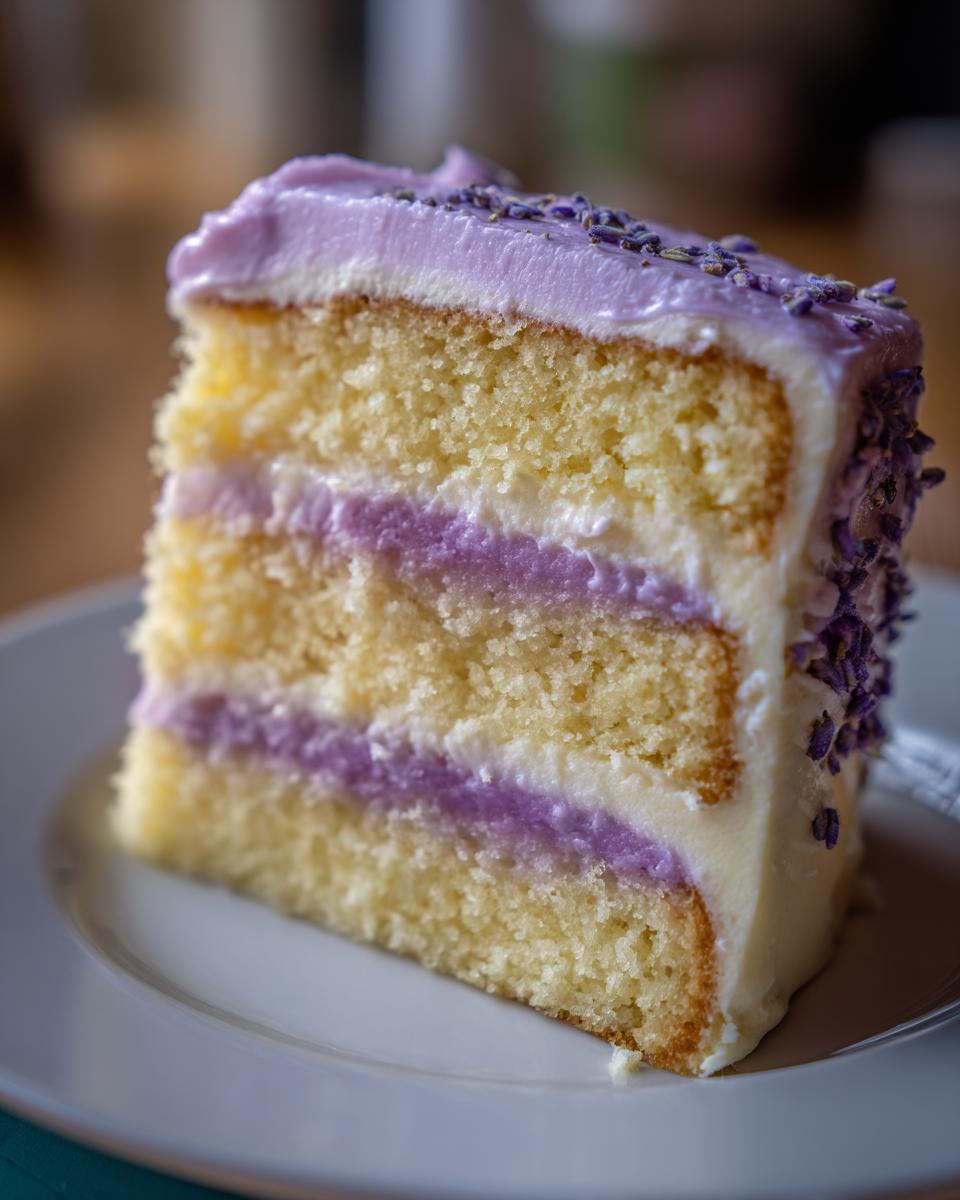
This frosting is truly what takes this cake to the next level of Gourmet Cake Baking. The real secret is infusing your cream! Take that 1/4 cup of heavy cream and steep your 1 teaspoon of dried lavender in it. Let that sit for a solid 15 minutes. You want that floral aroma to really bloom in there. Once it’s steeped, you absolutely must strain it through a fine-mesh sieve. If you skip this, you’ll end up with little bits of lavender buds in your silky frosting, and we don’t want that texture clash.
Once strained, bring that lovely lavender cream back to the frosting stage. Beat your softened butter until it’s smooth, then gradually add the sifted powdered sugar, alternating with your fragrant, strained cream. Mix until it’s light and spreadable, then finish with the vanilla and that last tablespoon of lemon juice. This ensures your frosting is incredibly smooth, perfectly flavored, and ready to coat your cooled layers!
Tips for Success with Your Aromatic Dessert Creations
Baking with floral elements can feel a little bit like walking a tightrope, right? You want the beautiful aroma, but you don’t want it to overpower everything else. This Lemon Lavender Cake is an absolute dream for Springtime Baking, and I’ve picked up a few golden rules over the years to ensure your cake turns out perfectly fragrant and never soapy.
First, let’s talk about that butter. If your cake layers are coming out a little denser than you hoped, check your creaming step again. You need that butter and sugar to be noticeably lighter in color and almost fluffy before you even think about adding eggs. This process whips air into the batter, which is essential for a good lift and a tender crumb, especially in these delicate Floral Cake Recipes.
Second, when you alternate the dry and wet ingredients—which we covered in the instructions—stop mixing the *second* the last streak of flour disappears. Seriously, put the mixer down! Overmixing develops gluten, and gluten is the enemy of a tender layer cake. If you’re worried about this step, my guide on simple sauce methods actually gives some visualization cues on when to stop mixing liquids into fats that can apply here too.
My third tip is about temperature control. Don’t trust your oven dial completely! Many home ovens run hot or cool, and that matters hugely when you’re baking something light like this. I highly recommend investing in a cheap little oven thermometer just so you know that 350°F is *actually* 350°F. It makes all the difference between a perfectly baked sponge and one that looks done but is raw in the middle.
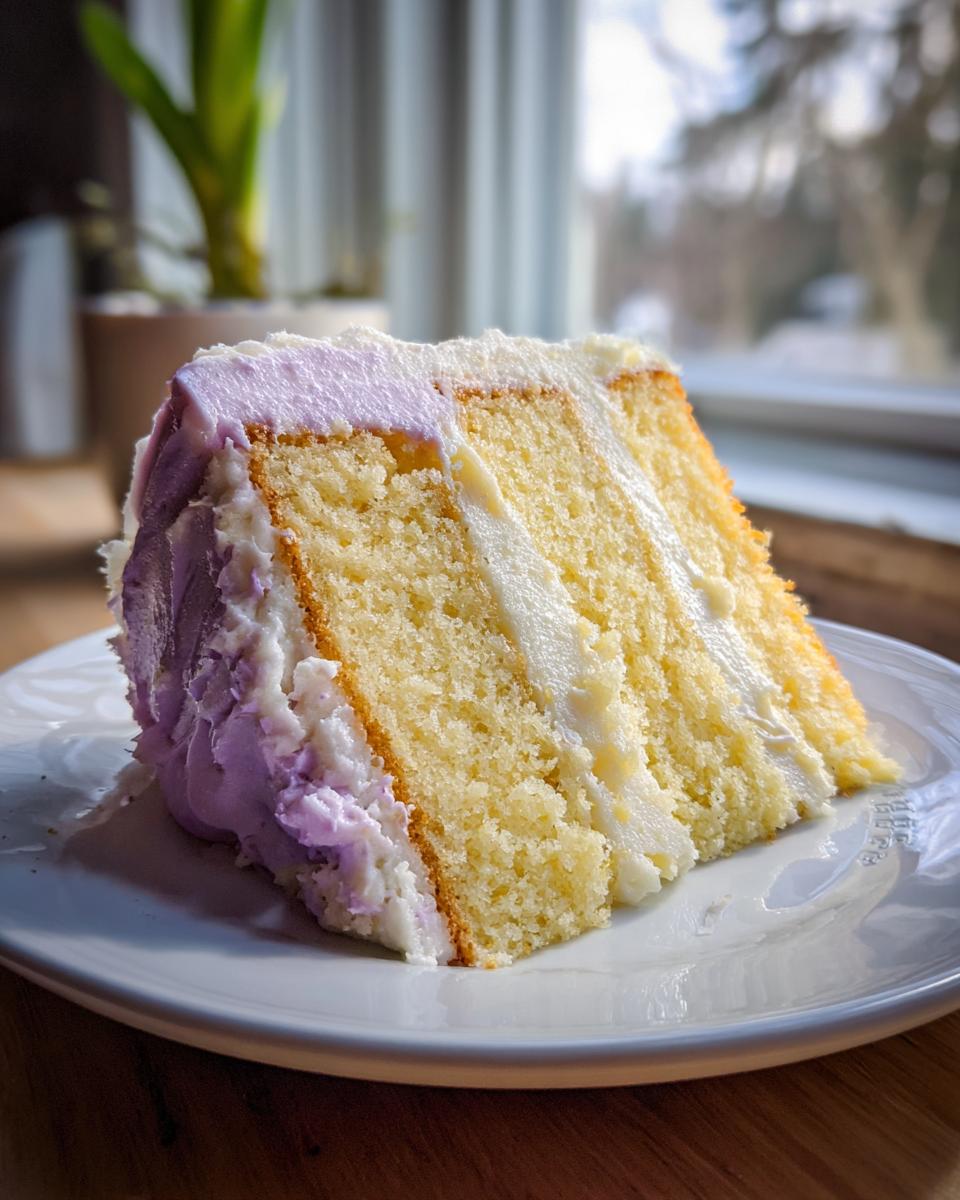
Finally, when you’re grinding your lavender, use a spice grinder or a clean coffee grinder if you have one, rather than a mortar and pestle unless you have amazing arm strength! You want that lavender as fine as possible for optimum flavor distribution throughout the cake. When you get these little details right, you realize that making Sophisticated Birthday Cakes isn’t about magic; it’s just about paying attention to the process!
Variations on the Classic Lavender Cake
I love that this Lemon Lavender Cake is such a solid base recipe because you can easily pivot it! Since you guys are always asking about other flavor profiles, I wanted to show you just how simple it is to shift this into something new while keeping that gorgeous floral core. It’s a perfect way to play around with Unique Cake Flavor Combinations without starting over from scratch when you’re looking for Summer Dessert Recipes.
If you want to lean into the honey notes—which pairs just beautifully with lilac and yellow hues—you can totally swap out the sugar elements for a sweeter profile. For that version, which is a fantastic example of Honey Sweetened Baking, you’ll slowly reduce the main granulated sugar amount and replace it with liquid honey. Remember, honey is sweeter and wetter than sugar, so you’ll need to slightly reduce the milk component or bump up your dry ingredients by just a little bit to compensate. It creates this wonderfully moist texture!
Or, maybe you’re a massive tea lover like I am! If you’re looking for that cozy café vibe, we can use this as an Earl Grey Cake Inspiration. For that, skip the lemon zest and juice entirely. Instead, use the milk called for in the recipe, but steep an Earl Grey tea bag right in there while it warms up. You want a strong infusion! Strain that milky brew and use it in place of the milk/lemon juice mixture. The bergamot in the Earl Grey mixes magically with the lavender for a richer, deeper flavor, kind of like a London Fog Cake.
Creating a Vanilla and Lavender Desserts Version
This is probably the simplest shift, and it gives you that soft, classic flavor people lean on. If you just want the lavender to sing without the bright citrus notes, all you do is drop the lemon zest and the lemon juice. Now, you might be tempted to just add more vanilla extract, but please don’t go crazy! A little goes a long way and too much can actually taste artificial.
Instead, focus on enhancing the infusion process for your frosting. Make sure you steep your lavender well in that heavy cream, and maybe even consider adding a splash of high-quality vanilla bean paste to the cake batter itself instead of just the extract. This lets the lavender shine in both the sponge and the buttercream—it really becomes the main star of your Vanilla and Lavender Desserts. It’s elegant and understated, perfect for those looking for Edible Flower Baking that’s simple yet refined.
If you want to see my take on a different tea-infused bake, you should definitely check out my Earl Grey cookie recipe. It uses similar infusion techniques!
And for gorgeous visuals, check out how delicious these look when plated nicely—this Lavender Cake with Lavender Buttercream Frosting pin shows off the presentation perfectly.
Serving Suggestions for This Elegant Dessert Idea
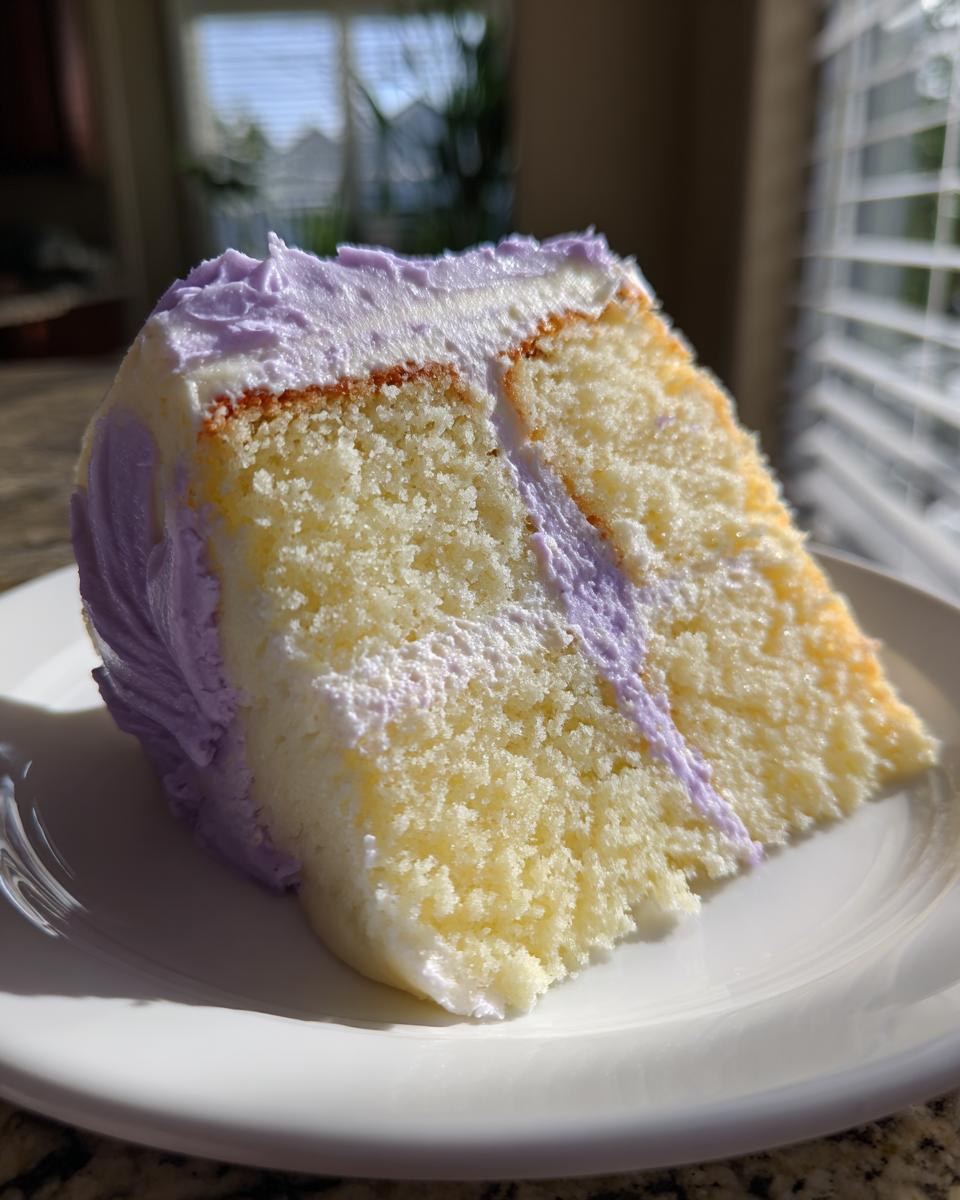
Now that you’ve done the hard work—and trust me, producing a gorgeous lavender cake is hard work!—the final step is making it look as incredible as it tastes. This Lemon Lavender Layer Cake isn’t meant to hide in a closed container; it wants to be shown off! I truly think this is the quintessential cake for Afternoon Tea Cakes, looking perfect next to a delicate teacup, but it certainly holds its own as a centerpiece for a Sophisticated Birthday Cake.
When it comes to presentation, sometimes less is actually more, especially with such fragrant flavors. While the buttercream is stunning on its own, you can add a little something extra without overwhelming that beautiful floral scent. I love using fresh, plump blackberries or blueberries scattered around the base of the cake. They add a gorgeous pop of dark color against the pale lavender and offer a fantastic tart counterpoint to the sweet frosting.
If you’re serving this purely for afternoon tea and don’t want the heavy buttercream, you have options too! Once the layers are cooled, you can skip the frosting entirely and just brush the layers lightly with simple syrup—maybe even one flavored with a little lemon—and then finish the top with just a delicate dusting of powdered sugar. It keeps the look minimalist, highlights the moist texture, and lets the floral fragrance really speak for itself.
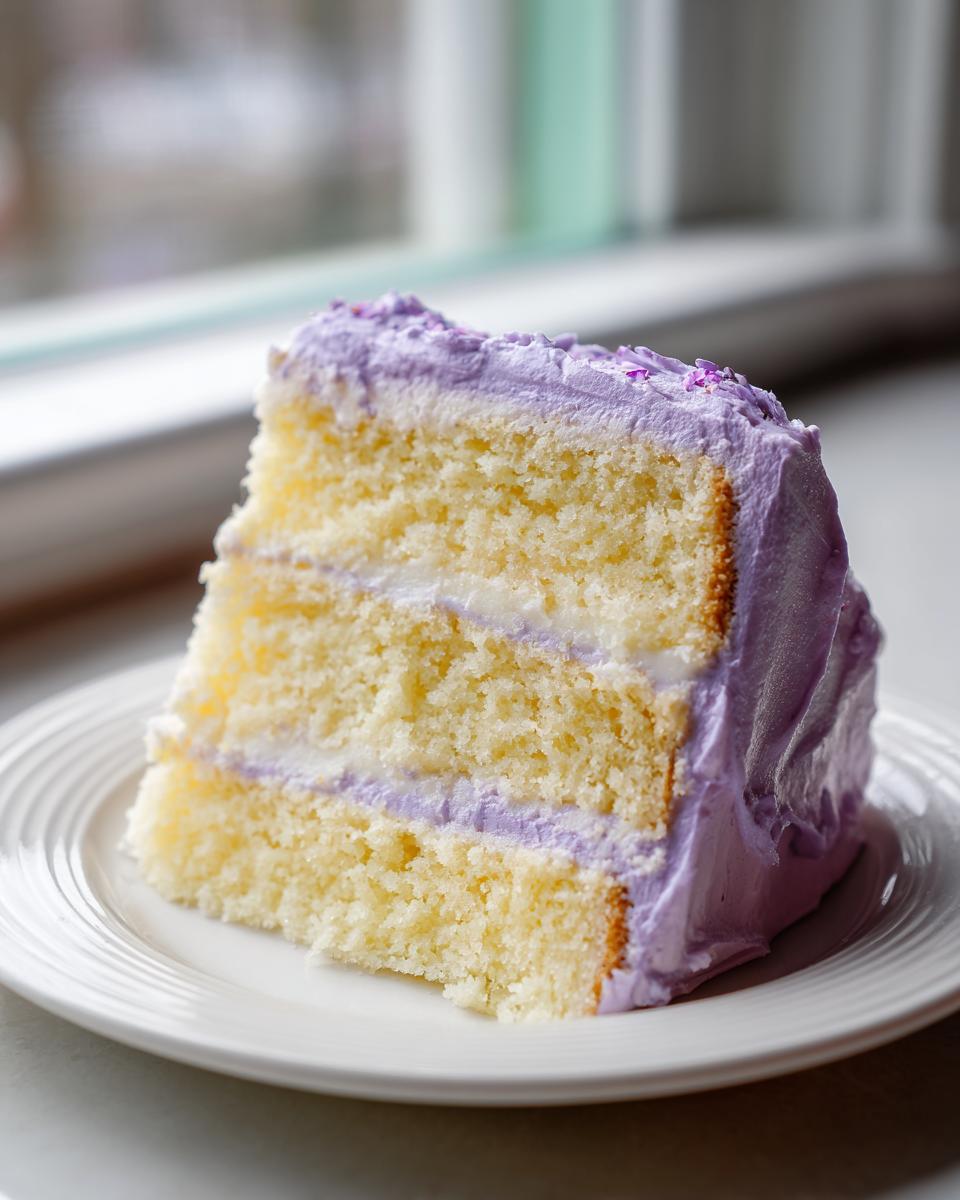
If you’re feeling like making it a real event, this cake pairs unbelievably well with a refreshing, bright drink. Forget heavy sodas; you want something that complements the brightness of the lemon. I think serving a slice alongside a cool glass of my holiday sangria recipe (just swap the wine for a light Prosecco if you skip the brandy in the original) makes for an unexpectedly sophisticated pairing. Honestly, whatever you choose, just stand back and admire your beautiful Visually Stunning Dessert before you slice into it!
Storage & Reheating Instructions for Your Homemade Layer Cakes
So, you’ve made this gorgeous, vibrant lavender cake, and now you have leftovers—which is a great problem to have, by the way! The way you store a finished layer cake really impacts how fresh those fantastic Homemade Layer Cakes feel the next day. Because this recipe uses a beautiful buttercream frosting, temperature control is key.
For short-term storage, say if you plan to eat the whole thing within 24 hours, leaving it on the counter is usually fine. Just cover it loosely with a cake dome or even just drape a large paper towel securely over it. You want to protect the exposed frosting from drying out or gathering dust, but you don’t want it wrapped so tightly that condensation gets trapped against the cake layers. Room temperature keeps the butter in that buttercream slightly softened, meaning the cake slices beautifully and the texture stays tender.
Now, if you need to keep it longer than a day, refrigeration is necessary. Pop that cake (covered!) into the fridge. The cold temperature will firm up the frosting wonderfully, which is great if you’re transporting it anywhere. However, here’s the catch: refrigeration always tries to steal moisture from the sponge. That rich, buttery texture we worked so hard for can stiffen up.
To bring it back to life after refrigeration, plan ahead! About two to three hours before you plan to serve it, take the cake out of the fridge and let it sit on the counter, still loosely covered. This allows the butter to soften back up and the cake layers to return to that almost just-baked tenderness. It’s the little step that preserves the quality of your Delicate Flavor Cakes.
If you happen to freeze any remaining slices—which I totally recommend if you aren’t going through it quickly—wrap each slice tightly first in plastic wrap, and then wrap that in foil before tossing it in the freezer. When you thaw it, move it from the freezer to the fridge while still wrapped, and *then* let it come to room temperature before unwrapping. It’s a bit of travel time, but it locks in all that flavor! For more tips on managing frosted desserts, you can peek at how I keep my chocolate eclair cake fresh, as the same principles apply to keeping those baked goods moist!
Frequently Asked Questions About Making a Lavender Cake
Can I use lavender extract instead of the dried lavender?
That is such a common question when we talk about Baking with Culinary Lavender! If you are in a pinch, yes, you can substitute extract, but you have to be incredibly careful. Extract is super potent. For the cake batter, I’d start with just 1/4 teaspoon of a high-quality lavender extract instead of the 2 tablespoons of dried, ground lavender specified in the recipe. If you use too much, you absolutely risk that soapy taste we talked about.
For the buttercream, extracting flavor via steeping cream is way superior. If I absolutely had to use extract in the frosting, I would only add about 1/2 teaspoon total to the whole batch of buttercream. The visual appeal is gone, but the flavor profile should be similar, though not as nuanced. When done correctly, this cake is beautiful; a weak extract application won’t achieve those stunning, subtle purple hues!
Why is my cake not as visually stunning as others? Where does the purple come from?
Honestly, the beautiful natural purple tint in truly stunning lavender cake recipes is very mild unless you use a lot of flowers, which we avoid because it tastes funny. Most of those vibrant purple cakes you see online—they are cheating, just a tiny bit, and there is nothing wrong with that! If you want that gorgeous, eye-catching color, it’s best to add just one tiny drop of high-quality purple food coloring when you add your vanilla extract to the batter.
For the frosting, you can achieve a lovely tint by adding a *tiny* bit of gel food coloring to the butter after you cream it, allowing you to make some truly majestic **Visually Stunning Desserts**. Remember, the goal here is an Elegant Dessert Idea, and color helps sell that!
Is this cake suitable for afternoon tea gatherings?
Absolutely! This is one of the main reasons I developed this recipe. It’s light enough not to weigh you down but rich enough to feel special. It sits perfectly between a heavy pound cake and a light chiffon, landing in that sweet spot perfect for Afternoon Tea Cakes. If you want to make it slightly smaller, this batter divides perfectly into mini loaf pans for individual servings too. For a less sweet offering, you can skip the full buttercream and just use a thin drizzle of a honey glaze, similar to what some recipes have for their lemon lavender cake variations.
Can I make this cake ahead of time? What about freezing leftovers?
Yes, you can definitely bake this ahead! Layer cakes are notoriously better the next day once the moisture has settled in. You can assemble the entire cake up to 24 hours ahead and keep it covered in the fridge. If you need to go longer, or want to save some for later snacks, this is a fantastic example of a cake that freezes well. We talked about the wrapping/thawing process extensively in the storage section, but the key is to wrap those slices tightly, preferably after letting them cool completely. Don’t forget every baker needs a good reminder on how to keep their bakes fresh, so check out my guide on storing moist zucchini muffins for the best freezing techniques!
Nutrition Estimates for This Lavender Cake Recipe
Look, I’m Aria, not a registered dietitian, so take these numbers with a grain of salt—or maybe a grain of sugar, ha! These estimates are calculated based on the standard ingredient amounts listed above and assume 10 even slices. The final results will vary based on butter brands, exact sugar scoops, and what you choose to use for decoration.
- **Serving Size:** 1 slice
- **Calories:** 450
- **Sugar:** 45g
- **Fat:** 24g
- **Carbohydrates:** 58g
- **Protein:** 5g
Since this is a butter-heavy cake with a hefty buttercream, the fat and sugar are naturally higher, which is what makes it such a decadent treat! Enjoy responsibly!
Nutrition Estimates for This Lavender Cake Recipe
Look, I’m Aria, not a registered dietitian, so take these numbers with a grain of salt—or maybe a grain of sugar, ha! These estimates are calculated based on the standard ingredient amounts listed above and assume 10 even slices. The final results will vary based on butter brands, exact sugar scoops, and what you choose to use for decoration.
- **Serving Size:** 1 slice
- **Calories:** 450
- **Sugar:** 45g
- **Fat:** 24g
- **Carbohydrates:** 58g
- **Protein:** 5g
Since this is a butter-heavy cake with a hefty buttercream, the fat and sugar are naturally higher, which is what makes it such a decadent treat! Enjoy responsibly!
PrintLemon Lavender Layer Cake with Lavender Buttercream
Create a sophisticated layer cake that balances bright lemon zest with the delicate floral notes of culinary lavender. This recipe yields a moist sponge and a silky lavender buttercream, perfect for afternoon tea or special celebrations.
- Prep Time: 30 min
- Cook Time: 32 min
- Total Time: 62 min
- Yield: 10 servings 1x
- Category: Dessert
- Method: Baking
- Cuisine: American
- Diet: Vegetarian
Ingredients
- 1 3/4 cups all-purpose flour
- 1 1/2 teaspoons baking powder
- 1/2 teaspoon salt
- 1 cup unsalted butter, softened
- 1 3/4 cups granulated sugar
- 3 large eggs
- 1 tablespoon lemon zest
- 1 teaspoon vanilla extract
- 1/2 cup whole milk
- 2 tablespoons culinary dried lavender, finely ground
- 1/4 cup fresh lemon juice
- For the Buttercream: 1 cup unsalted butter, softened
- 4 cups powdered sugar, sifted
- 1/4 cup heavy cream
- 1 teaspoon vanilla extract
- 1 teaspoon culinary dried lavender, steeped in cream for 15 minutes, then strained
- 1 tablespoon fresh lemon juice
Instructions
- Preheat your oven to 350°F (175°C). Grease and flour two 8-inch round cake pans. Line the bottoms with parchment paper.
- In a medium bowl, whisk together the flour, baking powder, and salt. Set aside.
- In a large bowl, cream the softened butter and granulated sugar together until light and fluffy. Beat in the eggs one at a time, mixing well after each addition. Stir in the lemon zest and vanilla extract.
- In a small bowl, whisk the milk, ground lavender, and lemon juice together.
- Alternate adding the dry ingredients and the wet milk mixture to the butter mixture, beginning and ending with the dry ingredients. Mix until just combined; do not overmix.
- Divide the batter evenly between the prepared pans. Bake for 28 to 32 minutes, or until a toothpick inserted into the center comes out clean.
- Let the cakes cool in the pans for 10 minutes before inverting them onto a wire rack to cool completely.
- Prepare the buttercream: Beat the softened butter until smooth. Gradually add the sifted powdered sugar, alternating with the lavender-infused cream, until the frosting is light and spreadable. Mix in the vanilla extract and lemon juice.
- Once the cakes are completely cool, place one layer on a serving plate. Spread about one-third of the buttercream over the top. Place the second layer on top and frost the top and sides of the entire cake.
Notes
- For the best floral flavor, steep the lavender in the cream for the buttercream for at least 15 minutes. Strain the cream before using it in the frosting.
- You can use fresh lavender sprigs or thin lemon slices for decoration on top of the finished cake.
- This cake is excellent for springtime baking or as a sophisticated birthday dessert.
Nutrition
- Serving Size: 1 slice
- Calories: 450
- Sugar: 45g
- Sodium: 210mg
- Fat: 24g
- Saturated Fat: 15g
- Unsaturated Fat: 9g
- Trans Fat: 0g
- Carbohydrates: 58g
- Fiber: 1g
- Protein: 5g
- Cholesterol: 85mg