

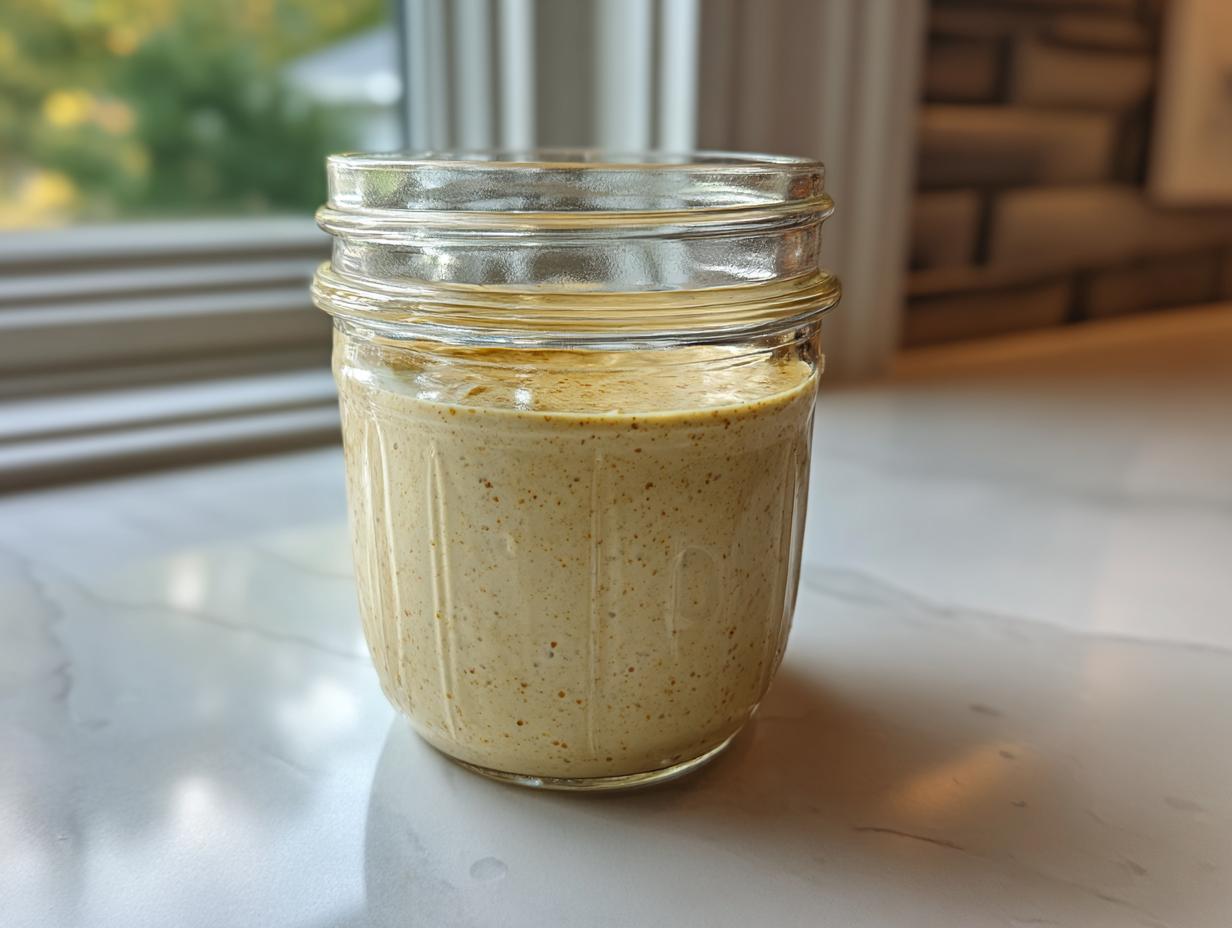
Let’s be honest, the saddest sight in the world is a beautiful pile of fresh greens ruined by limp, lackluster, bottled salad dressing. I’ve been there a million times! You spend time chopping up crisp vegetables and herbs, only to drown it all in something heavy on sugar and preservatives. No thank you!
That’s why, over the years of cooking for my family and friends, I perfected what I call my “Emergency Dressing File.” These aren’t fussy, complicated sauces you need a chemistry degree to make. Trust me, as someone deeply passionate about translating great flavor into simple steps, these recipes are kitchen gold. They prove that phenomenal flavor truly only takes five minutes! This collection brings you five essential, quick, and wonderfully healthy recipes that will transform your weeknight meals. Get ready to ditch the grocery store bottles for good!
These five formulas come straight from my home kitchen philosophy: elevate your everyday cooking by mastering a few key essentials. This means you are in complete control of the ingredients, ensuring you get that perfect homemade zest every single time. When you’re ready to dive into your next amazing salad, make sure you check out my favorite quick and healthy lunch ideas!
- Why Homemade Salad Dressing Beats Store-Bought Every Time
- The Essential Ingredients for Perfect Salad Dressing
- Our 5 Best Quick & Healthy Salad Dressing Recipes
- Step-by-Step Guide to Making Your Salad Dressing Collection
- Tips for Success with Homemade Salad Dressing
- Storage and Salad Toppings Meal Prep with Your Salad Dressing
- Frequently Asked Questions About Salad Dressing
- Understanding the Nutrition in Your Homemade Salad Dressing
- Share Your Favorite Salad Dressing Creations
Why Homemade Salad Dressing Beats Store-Bought Every Time
The difference between a bottled dressing and something you whip up in your own kitchen is unbelievable, honestly. When you make your own Homemade Salad Dressing, you automatically cut out all that sneaky sodium and extra sugar that big brands sneak in just to make things last longer on the shelf. I’m not about that! I want flavor, not fillers.
The freshness alone is what seals the deal for me. You use real lemon juice, real Dijon, maybe fresh herbs—that bright, zesty kick just doesn’t survive months in a plastic bottle. Mastering these quick techniques means you’re serving up something vibrant and wholesome. It’s the easiest way to upgrade a simple plate of greens without adding extra time to dinner prep. If you’re looking for other easy ways to eat better, you should peek at my ideas for healthy snack ideas!
The Essential Ingredients for Perfect Salad Dressing
Before we get to the jars and the shaking, we need to talk about building blocks. Honestly, most great salad dressings, even the creamy ones, come down to four main players: Fat (the oil), Acid (the vinegar or citrus), an Emulsifier (to keep it from separating instantly), and Seasoning. That’s it!
If you skip out on a good base, even the prettiest lettuce can’t save it. My biggest non-negotiable rule, especially for vinaigrettes, is using high-quality extra virgin olive oil—the kind that maybe makes you pause when you look at the price tag. You’re tasting it directly, so trust your nose and choose something flavorful. If you’re looking for similar mastery over other sauces, check out how I make easy homemade tartar sauce!
Ingredient Notes and Smart Substitutions for Your Salad Dressing
Okay, this is where you start making these recipes truly *yours*. The acid choice is huge. If a recipe calls for red wine vinegar, but you only have apple cider vinegar? Go for it! They offer slightly different tangs, but both work perfectly to cut through the oil. For the vegan cooks out there, if I call for honey, just swap it for maple syrup—easy checkmark on your Gluten Free Dressing Ideas list, too, if you use tamari instead of soy sauce later on.
The emulsifier is usually Dijon mustard, which sounds small but creates those beautiful, thick sauces. If you’re dairy-free, remember that things like pureed avocado can also act as a creamy binder. Don’t be afraid to experiment with spices too; dried oregano, dried thyme, or even a tiny pinch of smoked paprika can completely change the profile of your Healthy Salad Condiments.
Our 5 Best Quick & Healthy Salad Dressing Recipes
Alright, enough talking about what *not* to buy! It’s time to fill your fridge with fantastic, flavorful homemade salad dressing. I’ve grouped these into two main families: the brilliant vinaigrettes and the wonderfully creamy alternatives. Every single one of these saves you time and tastes 100 times better than anything jarred. We’ve got the basics, the zesty, the sweet-and-tangy, and even a creamy option that won’t weigh down your greens. If you’ve ever made my roasted sweet potato salad, you already know how much a good dressing matters—check out the recipe here!
Recipe 1: The Simple Vinaigrette for Greens Salad Dressing
This is the foundational knowledge you need, the absolute must-know for any home cook. This basic vinaigrette follows the golden rule: three parts oil to one part acid. You can use red wine vinegar or apple cider vinegar here, it’s completely up to what you have open! This Simple Vinaigrette for Greens Salad Dressing is your blank canvas. Don’t forget to whisk in that tiny bit of Dijon; it’s crucial for binding!
Recipe 2: Maple Mustard Dressing Recipe (Tangy Salad Dressings)
Oh, this is my favorite for fall salads or anything involving nuts or goat cheese. The pure maple syrup does something magical with the apple cider vinegar and strong Dijon. It hits that perfect spot between sweet and sharp. For the best results, I always tell people to taste the vinegar *before* you mix it in—if your vinegar is super harsh, dial back the amount slightly and taste test as you go. That’s the secret to nailing these Tangy Salad Dressings! This Maple Mustard Dressing Recipe also keeps beautifully.
Recipe 3: Lemon Vinaigrette Tutorial for Zesty Salad Dressings
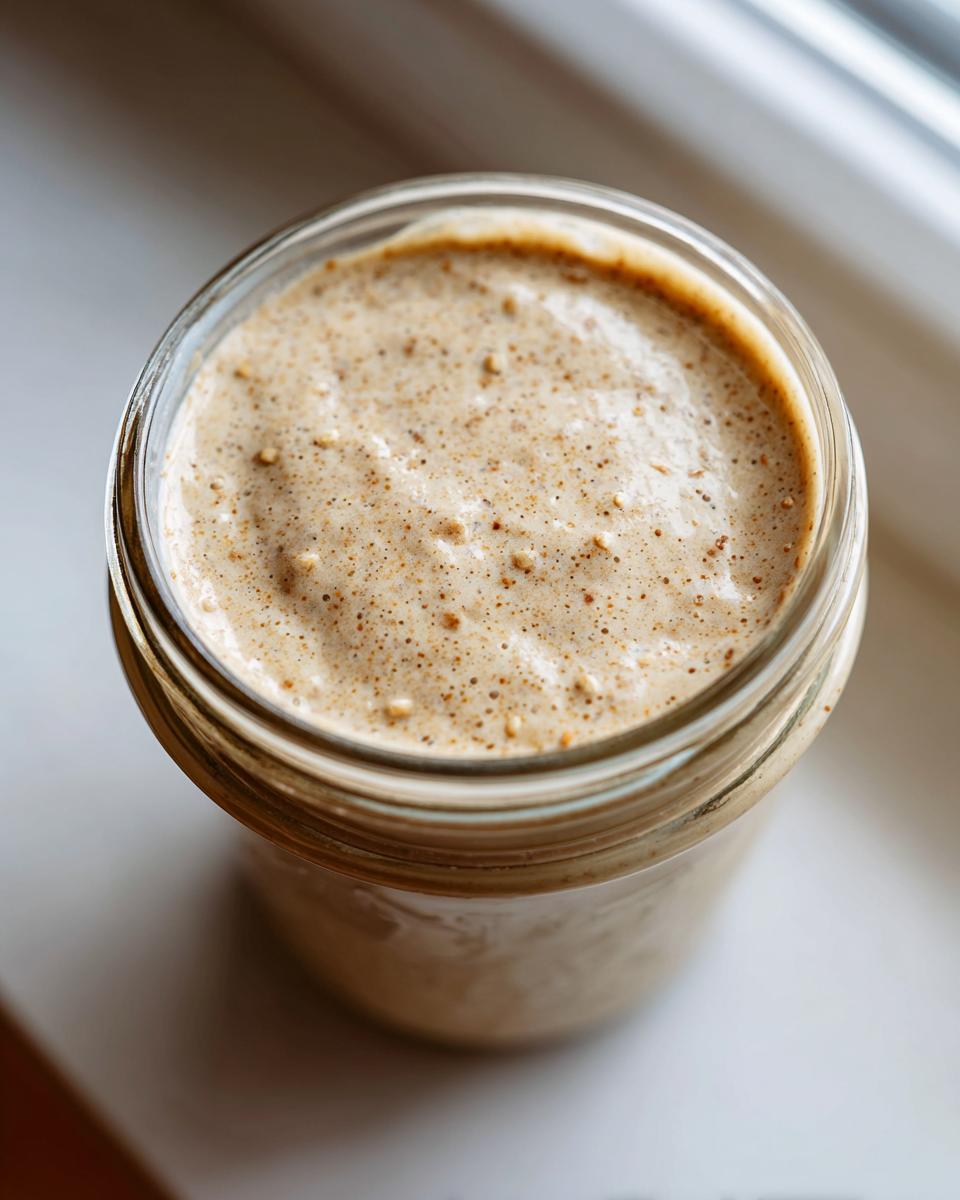
When you need brightness, you need fresh lemon juice. This recipe proves that you don’t need complicated flavor profiles for maximum impact. Remember when I stressed slow oil incorporation? This is where it matters most. As you slowly drizzle in that olive oil, you’re creating bonds, or an emulsion. If you dump the oil in all at once, it just separates immediately—yuck! This Lemon Vinaigrette Tutorial is your key to those bright, Zesty Salad Dressings. Bonus points if you use a bit of lemon zest in the mix too!
Recipe 4: Creamy Salad Dressings: Southwest Ranch Alternative
Sometimes you just crave that hearty, creamy coating on your salad, right? But store-bought Ranch is usually loaded. My trick is swapping heavy cream or mayo for plain Greek yogurt. It gives you the thickness and that lovely tang in these Creamy Salad Dressings without all the saturated fat. This version leans toward a smoky flavor profile, making it a fantastic Southwest Ranch Alternative. It’s perfect for chopping up romaine, black beans, and corn for a taco night salad!
Recipe 5: Ginger Salad Topping and Everyday Salad Dressing Recipe
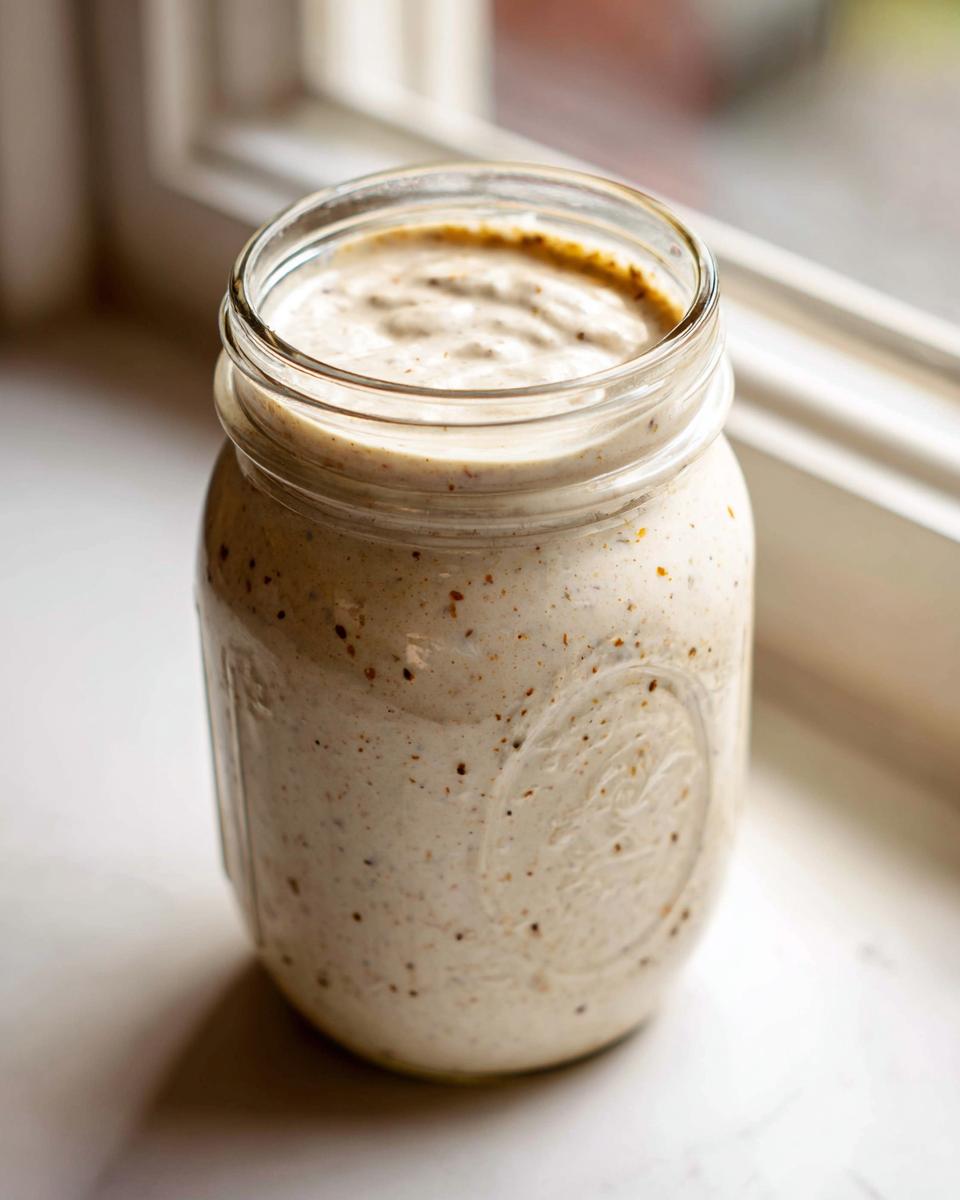
If you’re feeling like Asian-inspired flavors, you *need* this one. The grated fresh ginger is non-negotiable here—it gives you that sharp, fragrant bite that dried ginger just can’t touch. We use rice vinegar for a milder acid, balanced with soy sauce (or tamari if you need those Gluten Free Dressing Ideas like we mentioned earlier). This is such a vibrant Ginger Salad Topping and makes my favorite raw carrot salad sing! Consider this your go-to Everyday Salad Dressing Recipe.
Step-by-Step Guide to Making Your Salad Dressing Collection
Now that you have your five amazing flavor profiles ready to go, let’s talk about the *how*. The common thread here is speed. Seriously, every final dressing you make here should take you no longer than five minutes, total! The beauty of these Best Salad Dressing Recipes is that they don’t require any fancy equipment—just a bowl and a whisk, or my absolute favorite method, a jar with a reliable lid.
When you’re working with vinaigrettes—like that Simple Vinaigrette or the Ginger Dressing—you absolutely must create an emulsion. An emulsion is when you manage to force the oil and the acid (vinegar/lemon) to hang out together instead of immediately separating. This is where skill comes in, which is why I guide you closely through the whisking process.
Method for Quick Salad Sauces Using a Jar
If you only take one thing away from this guide, let it be the magic of the jar method for your vinaigrettes! It’s clean, it’s fast, and it creates a superior texture. For Recipes 1, 2, 3, and 5, just grab a clean mason jar—we’re talking approximately a 10 or 12-ounce size is perfect for these batches.
First, add all your non-oil ingredients into the jar—so that’s your vinegar, your mustard, your maple syrup, whatever acids you are using first. Then, top it with your oil. Seal that lid on TIGHT. Now, shake! You want to shake hard and fast, moving the jar up and down until the liquid suddenly looks creamy, opaque, and totally unified. That’s your perfect emulsion, and you’ve made incredible Quick Salad Sauces in under a minute. Don’t forget, we can whip up all five of these recipes before your coffee even gets cold! If you’re looking for more quick wins in the kitchen, you might enjoy my tips on easy breakfast recipes!
Tips for Success with Homemade Salad Dressing
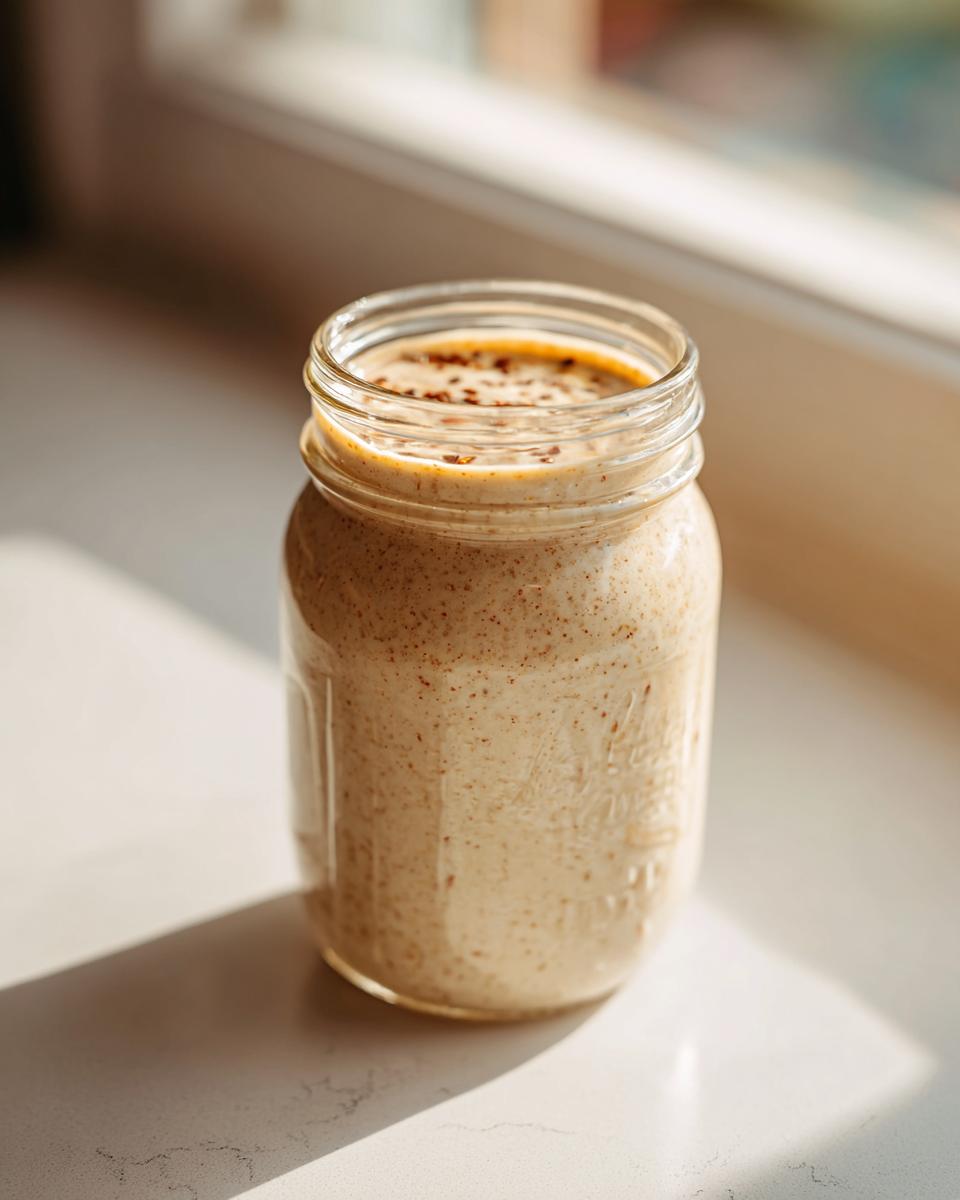
You’ve got the recipes down, but now you want to make sure these are the Best Salad Dressing Recipes you’ve ever attempted. My main word of advice, which I always stress when people ask me about my secrets, is temperature, period. If you make one of the vinaigrettes ahead of time and stick it in the fridge, the oil is going to firm up. Don’t try to pour that solid stuff over your delicate lettuce!
Always, always, pull your refrigerated dressings out about 15 to 20 minutes before you plan to serve them. They soften right up and remix beautifully. And don’t forget about quality! I know I mentioned it, but using that really beautiful, robust olive oil in your vinaigrettes makes a huge difference. It’s the backbone of the flavor, so don’t skimp there if you can help it.
Also, let’s talk herbs, because this is where you really earn your stripes as a home cook. If a recipe calls for dill or parsley, use fresh if you possibly can. Dried herbs are fine for a pinch, but fresh herbs bring their volatile oils right into the dressing, giving you that incredible aroma and depth that canned stuff is missing. You can find some great tips on making better homemade sauces over at this site.
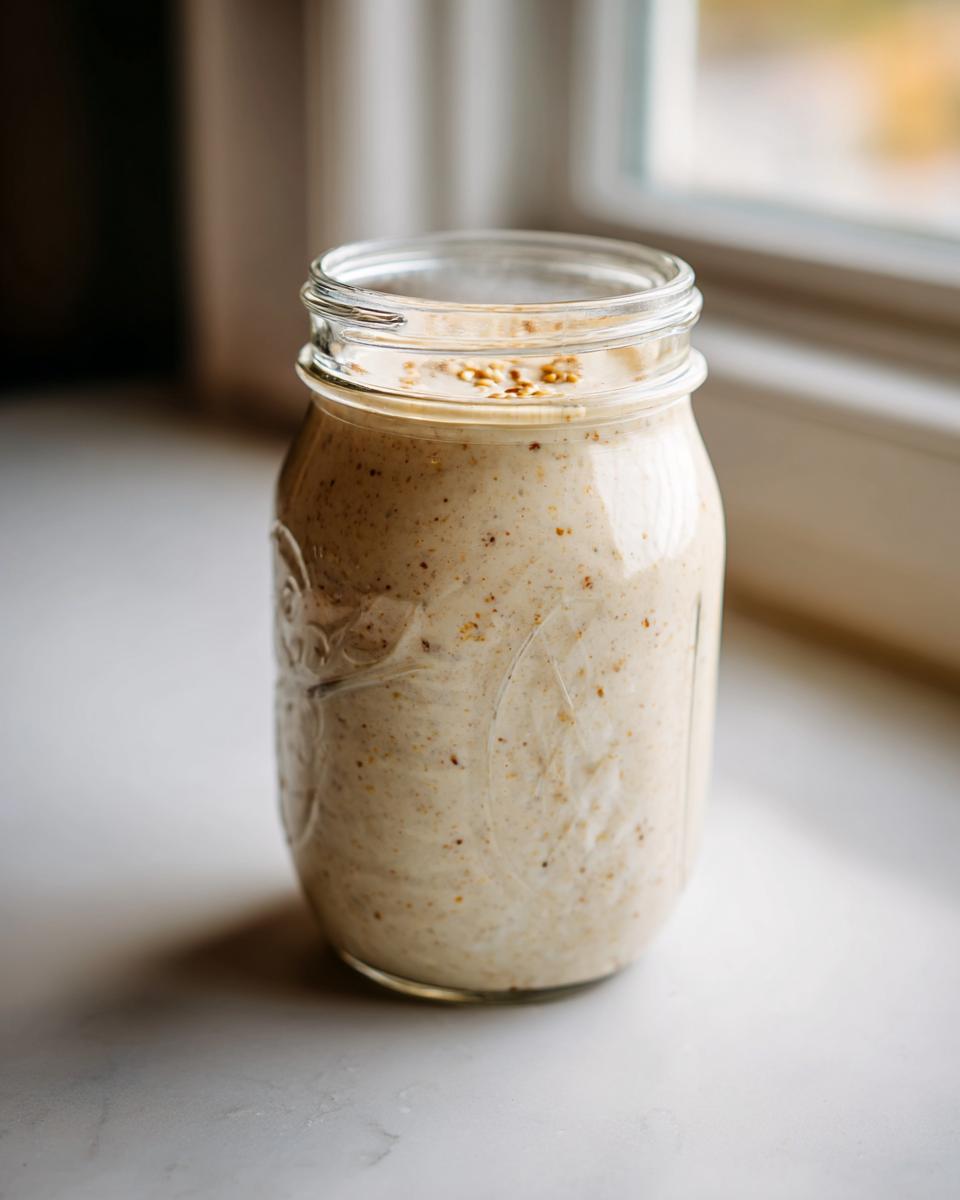
When you’re shaking up your vinaigrettes, try to use a slightly wider jar. It gives the ingredients more room to actually *slosh* around and hit each other, which is what forces that emulsion to happen quickly. If you’re into other simple homemade ideas, you might love my recipe for easy 4-ingredient homemade cheese crackers!
Storage and Salad Toppings Meal Prep with Your Salad Dressing
One of the BEST parts about whipping up a batch of salad dressing is knowing you’ve got future meals covered! This is where we bridge the gap between cooking and life with smart Salad Toppings Meal Prep. Since these are all naturally made without heavy preservatives, you can safely store any of these dressings in an airtight container or jar in the refrigerator for up to about one week.
Remember what I said about temperature? You can make these on Sunday night, seal them up tightly, and have them ready to go for your lunch salads all week long. If you’re prepping veggies for the week too—maybe chopping up some peppers or roasting broccoli—just keep your dressing stored separately! Never dress your salad until you are ready to eat it, or those greens get soggy fast, no matter how beautiful your dressing is.
Now, if you pull your vinaigrette out after three days and it looks… well, solid and kind of separated, don’t panic! That just means the oil got cold. This is the easy fix: just leave the jar on the counter for about 15 minutes while you chop your salad. If it’s still stubbornly separated, slap the lid back on and give it a really vigorous shake. It should come right back together. Seriously, these recipes are designed to handle a little chill time. It’s efficiency in action, which I love nearly as much as great flavor! If you need some ideas for using up savory leftovers later in the week, check out my recipe for easy leftover turkey pot pie!
Frequently Asked Questions About Salad Dressing
I get so many great questions every time I post these recipes, which just proves how much we all want to ditch the bad stuff and eat fresh! These five recipes are incredibly flexible, but here are the things I hear people ask most often about making a great salad dressing in minutes.
Can I make these salad dressing recipes vegan?
Yes, absolutely! That’s the beauty of keeping things simple; we can often make them naturally Vegan Salad Toppings. If a recipe calls for honey, just use maple syrup instead—it functions just as well as a sweetener and binder. Most of the vinaigrettes in this collection are vegan by nature if you use maple syrup instead of honey. It’s such an easy swap, and you still get that wonderful depth of flavor!
How long do these homemade salad dressing recipes last?
I always aim to make a fresh batch when I have a little downtime, perhaps while I’m waiting for something to bake. You can store these homemade salad dressing recipes safely in the refrigerator for about one week. They are much better fresh, of course, but having them ready means you can still whip up a great Five Minute Dressing Recipe throughout the week! Just don’t forget to let them stand on the counter for about 15 minutes before serving if they’ve solidified a bit from the cold.
What is the best acid to use for a Simple Vinaigrette for Greens?
This truly depends on what flavor mood you’re in! For a really classic, neutral bite that lets the greens shine, red wine vinegar is fantastic. If you’re making a salad with apples or nuts, I often reach for apple cider vinegar because it adds a fruitier, softer background note. If you want that super bright, sharp flavor, then ditch the vinegars entirely and use fresh lemon juice, like in Recipe 3! Honestly, there is no wrong answer here, so go with what you love most and enjoy making your Simple Vinaigrette for Greens just the way you like it.
If you’re looking for even more quick ways to elevate your meals, take a look at my guide to easy breakfast recipes—sometimes the simplest recipes make the biggest impact!
Understanding the Nutrition in Your Homemade Salad Dressing
Okay, I know we are focused on flavor and ease here at Cooking Zenith, but since we are proudly making everything from scratch, we get to know exactly what we are tossing onto our plates—and that’s a huge win for feeling confident about your food! Because these five dressings are all slightly different—some are heavy on olive oil, the ranch alternative uses yogurt—I can’t give you one single answer, but I can certainly give you a baseline for the lighter vinaigrettes.
When we look at the estimates for a standard two-tablespoon serving of one of the simpler oil-and-vinegar based recipes, you can see just how clean we’re keeping things. We’re prioritizing healthy fats, which is important! These estimates are based on the standard 3:1 oil-to-acid ratio, so if you lean heavier on the vinegar, your calorie count will drop slightly. I always say, if you want to see how deeply I look into ingredients, check out my guide for easy creamy chocolate fondue recipe—we analyze every tiny component there!
Here is what you can generally expect from a serving of one of our lighter homemade salad dressing options:
- Serving Size: 2 tbsp
- Calories: Around 120
- Total Fat: 13g (Mostly heart-healthy unsaturated fat!)
- Carbohydrates: 2g
- Sugar: 2g (And it’s natural sugar from maple or honey, not processed junk!)
- Sodium: Approximately 150mg
See? By ditching the bottled stuff, you are immediately lowering the hidden sodium and processed ingredients, while getting the benefit of healthy fats from quality olive oil. That’s what I call smart cooking—flavor up, additives down!
Share Your Favorite Salad Dressing Creations
I truly hope these five recipes give you the confidence to never reach for that sad, watery bottle again! Making your own salad dressing is such a simple, satisfying way to elevate your entire meal, and honestly, it’s the kind of kitchen confidence booster everyone needs.
I put my heart into making sure these instructions are clear and foolproof, whether you’re dealing with a maple-mustard tang or getting that perfect creamy texture in your ranch alternative. Now it’s your turn! I absolutely love hearing how you’ve adapted these basics.
Did you add a little splash of balsamic vinegar to the Simple Vinaigrette? Maybe you used fresh parsley instead of dill in the creamy version? Please, don’t keep those brilliant ideas to yourself! Head on down to the comments section below and let me know which of these five you tried first, how you rated it, and any great variations you came up with. Building this community of home cooks is the whole point of Cooking Zenith, and hearing from you makes the process feel complete. If you ever need to get in touch directly with me, Aria, you can always reach out through the contact page!
PrintThe Ultimate Homemade Salad Dressing Collection: 5 Quick & Healthy Recipes
Discover five essential, easy-to-make salad dressing recipes, including vinaigrettes and creamy options, perfect for elevating your everyday greens with fresh, homemade flavor.
- Prep Time: 5 min
- Cook Time: 0 min
- Total Time: 5 min
- Yield: About 1/2 cup per dressing 1x
- Category: Condiment
- Method: Shaking/Whisking
- Cuisine: American
- Diet: Vegetarian
Ingredients
- 1/4 cup extra virgin olive oil
- 2 tablespoons vinegar (red wine or apple cider)
- 1 teaspoon Dijon mustard
- 1 teaspoon maple syrup (optional)
- Salt and black pepper to taste
- For Creamy Ranch Alternative: 1/2 cup plain Greek yogurt, 1 tablespoon fresh dill, 1 teaspoon onion powder, 1/2 teaspoon garlic powder, 1 tablespoon lemon juice, 2 tablespoons water (or more for thinning)
- For Lemon Vinaigrette: 1/4 cup olive oil, 3 tablespoons fresh lemon juice, 1 teaspoon honey, 1/2 teaspoon salt
- For Maple Mustard Dressing: 1/3 cup olive oil, 2 tablespoons apple cider vinegar, 1 tablespoon Dijon mustard, 1 tablespoon pure maple syrup
- For Ginger Dressing: 1/4 cup rice vinegar, 2 tablespoons soy sauce (or tamari for gluten-free), 1 tablespoon grated fresh ginger, 1 teaspoon sesame oil, 1 teaspoon honey or maple syrup
- For Simple Balsamic: 1/2 cup olive oil, 1/4 cup balsamic vinegar, 1/2 teaspoon dried oregano, salt and pepper
Instructions
- Prepare the Basic Vinaigrette: Combine olive oil, vinegar, Dijon mustard, maple syrup (if using), salt, and pepper in a small jar with a tight-fitting lid. Shake well until fully emulsified.
- Make the Maple Mustard Dressing: In a bowl or jar, whisk together the olive oil, apple cider vinegar, Dijon mustard, and maple syrup. Season with salt and pepper. This is a great maple mustard dressing recipe.
- Prepare the Lemon Vinaigrette: In a small bowl, whisk together the lemon juice, honey, and salt. Slowly drizzle in the olive oil while whisking constantly until the dressing thickens slightly.
- Create the Creamy Ranch Alternative: Combine the Greek yogurt, dill, onion powder, garlic powder, lemon juice, and salt in a bowl. Whisk until smooth. Add water one tablespoon at a time until you reach your desired consistency for this healthy salad condiment.
- Mix the Ginger Dressing: In a jar, combine the rice vinegar, soy sauce, grated ginger, sesame oil, and sweetener. Shake vigorously. This makes a bright, flavorful ginger salad topping.
- For the Simple Balsamic: Combine all ingredients in a jar and shake until mixed. This is your balsamic vinaigrette basics recipe.
- Taste and adjust seasoning for all dressings before serving immediately or storing.
Notes
- For best results with vinaigrettes, use a ratio of 3 parts oil to 1 part acid, adjusting to your preference.
- You can make these salad dressing recipes fresh and store them in the refrigerator for up to one week. Let them sit at room temperature for 15 minutes before using if they separate or solidify.
- The Maple Mustard and Lemon Vinaigrette recipes are naturally gluten-free and vegan (if using maple syrup instead of honey).
- Use high-quality olive oil for the best flavor in your homemade salad dressing.
Nutrition
- Serving Size: 2 tbsp
- Calories: 120
- Sugar: 2
- Sodium: 150
- Fat: 13
- Saturated Fat: 2
- Unsaturated Fat: 11
- Trans Fat: 0
- Carbohydrates: 2
- Fiber: 0
- Protein: 0
- Cholesterol: 0